


OEM vs Aftermarket Auto Body Parts: What You Should Know
How Advanced Repair Technology Improves Results
Keeping your fleet operations safe is key for businesses. Accidents hurt productivity, cost a lot, and affect team morale. At Miracle Body and Paint Collision Center in San Antonio, we know how vital safety is for your fleet.
Effective strategies can greatly lower the risks of fleet operations. It’s not just about avoiding crashes. It’s about making a safe environment for drivers and the public. For more on keeping your fleet vehicles safe, see our collision repair and maintenance tips.
Key Takeaways
- Regular vehicle checks spot worn or damaged parts.
- Driver training programs build a safety-first culture.
- Advanced tech can catch engine problems or failing parts.
- Following safety rules and standards is key to lower risks.
- Regular upkeep keeps vehicles safe and prevents accidents.
The Rising Costs of Fleet Accidents in 2023
In 2023, the cost of fleet accidents is a big worry. These accidents are not just about fixing cars. They also hurt businesses a lot.
Current Statistics on Fleet Collision Rates
Recent numbers show a bad trend in fleet accidents. More and more fleet vehicles are getting into accidents. This means more money for businesses to spend. Keeping drivers safe is key to stopping this.
Financial Impact on Businesses
Fleet accidents cost businesses in many ways. It’s not just the cost of fixing cars and medical bills. Accidents also raise insurance costs. A single injury can cost over $100,000, which is a big hit for companies.
Hidden Costs Beyond Vehicle Repairs
There are hidden costs too, like legal fees and damage to a company’s reputation. These costs can hurt a business as much as the direct expenses. Making driver safety a priority can help avoid these problems.
To cut down on the costs of fleet accidents, businesses need to take safety seriously. For help with fleet accident issues, contact experts like those at Miracle Body and Paint Collision Center.
Understanding the Root Causes of Fleet Collisions
Fleet collisions often stem from driver actions, the environment, and vehicle upkeep. Research indicates that human error is behind up to 94% of crashes. This shows how vital it is to focus on driver behavior.
Driver Behavior and Human Error
Driver actions are key to fleet safety. Distracted driving, speeding, and ignoring traffic rules are major accident causes. Comprehensive driver training programs can help. They teach safe driving and the need to follow traffic laws.
Environmental and Road Conditions
Weather, road quality, and lighting also affect fleet safety. Bad weather, poor roads, and poor lighting increase accident risks. We must factor these into our safety plans.
Vehicle Maintenance Issues
Vehicle upkeep is critical for safety. Neglecting maintenance can cause mechanical failures, a common accident cause. Regular checks ensure our vehicles are safe.
Brake System Failures
Brake failures are a big worry, as they can cause serious accidents. It’s important to regularly inspect and maintain brakes to avoid failures.
Tire-Related Accidents
Tire issues are another common problem. Keeping tires in good shape, through regular checks, prevents accidents. Effective maintenance programs catch problems early.
In summary, knowing why fleet collisions happen is key to preventing them. By tackling driver behavior, environmental factors, and vehicle upkeep, we can lower accident risks. For top-notch collision repair, consider Miracle Body and Paint Collision Center.
Comprehensive Driver Training Programs
Driver safety improves a lot with good training programs. These programs teach drivers how to handle tough driving situations safely. Companies that invest in these programs see a 30-50% drop in accidents. This makes driving safer and saves money on repairs and other accident costs.
Defensive Driving Techniques for Fleet Operators
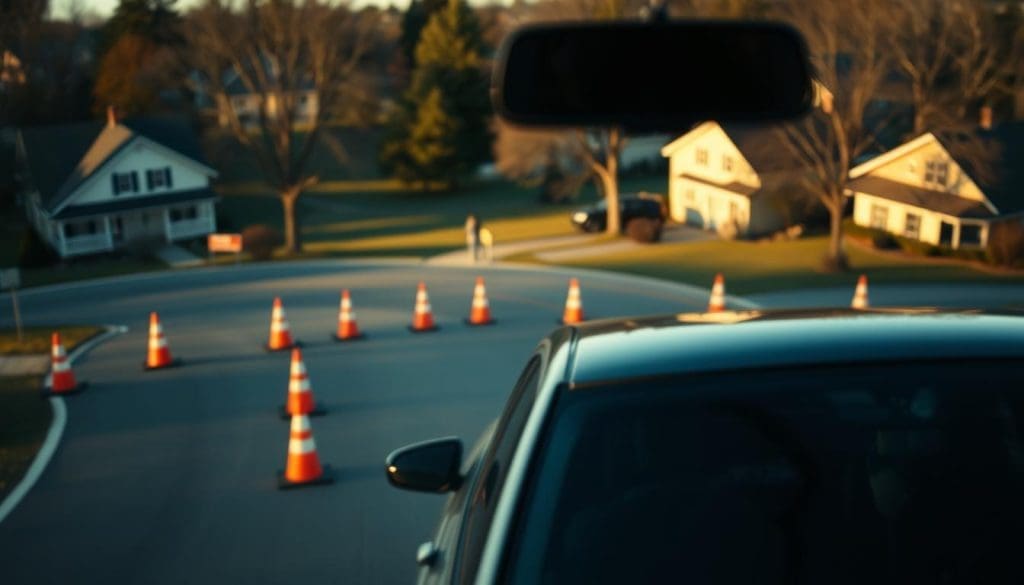
Defensive driving is key in any good driver training. It shows drivers how to spot and handle road dangers. Skills include keeping a safe distance, staying alert, and not getting distracted while driving. These skills help fleet operators avoid crashes.
Hazard Recognition and Avoidance
Teaching drivers to spot and avoid hazards is also important. They learn to see dangers like pedestrians, cars, and road debris. This training makes drivers more proactive about safety, lowering accident chances.
Weather-Specific Driving Protocols
Weather affects driving safety a lot. So, driver training covers how to drive in different weather. This prepares drivers to adjust their driving for snow, ice, and rain.
Winter Driving Safety
Winter driving is tricky with snow, ice, and less visibility. Drivers learn to slow down, use low gear uphill, and avoid sudden stops. This training is key to avoiding winter accidents.
Handling Vehicles in Heavy Rain
Driving in heavy rain is dangerous because of poor visibility and slippery roads. Drivers are taught to slow down, use headlights, and avoid hard braking. These steps help drivers stay safe in rainy conditions.
With good driver training, fleet operators can make driving much safer. For top collision repair, Miracle Body and Paint Collision Center offers excellent services. This ensures fleet vehicles are safe and reliable.
Implementing Effective Fleet Damage Prevention Strategies
Effective strategies to prevent fleet damage are key to lowering accident risk. Understanding why accidents happen and taking safety steps can greatly reduce risks.
Risk Assessment Methodologies
Doing thorough risk assessments is a must for preventing fleet damage. It means spotting dangers, checking driver habits, and looking at the environment. Using data to assess risks helps us create effective plans to lower them.
Creating a Safety-First Culture
Building a culture that values safety is essential. It’s about making safety a top priority and encouraging drivers to speak up about safety issues. This way, we can spot and fix problems before they lead to accidents.
Incentive Programs for Safe Driving
Incentives can really help drivers stay safe on the road. By rewarding safe driving, we encourage our team to follow safety rules.
Recognition Systems
Systems that celebrate safe driving can really boost morale. Safety awards or public praise can motivate others to drive safely too.
Performance-Based Rewards
Rewards tied to performance can motivate drivers to stay safe. By linking rewards to safety achievements, we reinforce the importance of safe driving.
By using these strategies, we can greatly reduce the chance of accidents. For help keeping your fleet vehicles safe and in good shape, think about working with Miracle Body and Paint Collision Center. They can help keep your vehicles in top condition, making your fleet safer.
Leveraging Technology for Collision Avoidance
Advanced technologies are changing how we keep fleets safe. They offer new ways to avoid crashes. This means safer drivers and fewer accidents.
Advanced Driver Assistance Systems (ADAS)
Advanced Driver Assistance Systems (ADAS) lead in crash prevention. They use sensors, cameras, and radar to spot dangers. Systems like lane warning, cruise control, and emergency braking are now common.
Telematics and Real-Time Monitoring
Telematics systems give us real-time data on how vehicles and drivers are doing. This info helps us spot safety risks. We can then act to prevent accidents.
Dash Cams and Their Benefits
Dash cams are key for fleet managers. They help keep drivers safe and secure. They record important events and help train drivers.
Event Recording Capabilities
Dash cams capture critical moments like accidents. This footage helps us understand what happened. It guides us in making safety plans better.
Driver Coaching Opportunities
Dash cams also help in teaching drivers. By watching the footage, drivers can learn to drive better. This reduces the chance of future accidents.
| Technology | Primary Function | Safety Benefit |
|---|---|---|
| ADAS | Collision detection and alert | Reduced accident risk |
| Telematics | Real-time monitoring | Improved driver behavior |
| Dash Cams | Event recording and driver coaching | Enhanced safety and training |
Using these technologies makes our fleets safer and more efficient. As we go forward, these technologies will be key in cutting down crash risks. For top-notch fleet maintenance and repair, think about working with a trusted center like Miracle Body and Paint Collision Center.
Preventative Maintenance Schedules That Reduce Risk
Having a strong preventative maintenance schedule is key to lowering collision risks in your fleet. Regular checks can cut down on accidents caused by mechanical issues by up to 50%. This shows how vital a detailed maintenance plan is.
Critical Safety Systems Inspection
It’s important to regularly inspect critical safety systems. This means checking brakes, tires, and suspension to make sure they work well. This way, we can spot and fix problems before they cause failures.
Seasonal Maintenance Requirements
Each season poses unique challenges for fleet vehicles. For example, winter needs us to check battery health, antifreeze, and tire tread. By tailoring our maintenance to each season, we can better equip our vehicles for the weather.
Digital Maintenance Tracking Solutions
Digital tools for tracking maintenance can really help us manage our programs better. These tools offer several advantages, including:
- Automated Service Reminders: Making sure we don’t miss important maintenance tasks.
- Maintenance History Documentation: Keeping a detailed record of all maintenance done on each vehicle.
Automated Service Reminders
Automated reminders help us stay on track with maintenance. This cuts down the chance of missing critical tasks.
Maintenance History Documentation
Keeping detailed records of maintenance helps us track each vehicle’s history. This info is key for spotting recurring problems and making smart repair or replacement choices.
By using these methods, fleet operators can greatly lower their collision risk. For more on setting up a solid maintenance program, or for help with collision repairs, reach out to Miracle Body and Paint Collision Center. Our team is here to help keep your fleet safe and moving.
Fleet Vehicle Selection and Safety Ratings
To improve driver safety, we focus on the safety ratings and features of our fleet vehicles. Choosing vehicles with high safety ratings and key safety features lowers accident risks. We care about our drivers’ and the public’s safety by making smart vehicle choices.
Evaluating Crash Test Performance
We examine fleet vehicles’ crash test results closely. The National Highway Traffic Safety Administration (NHTSA) and the Insurance Institute for Highway Safety (IIHS) offer important safety data. We check crashworthiness, crash avoidance, and safety ratings to ensure our vehicles are safe.
Essential Safety Features for Fleet Vehicles
Modern vehicles have many safety features that boost driver safety. We look for:
- Advanced airbag systems
- Electronic stability control
- Anti-lock braking systems (ABS)
- Lane departure warning systems
- Forward collision warning and automatic emergency braking
Cost-Benefit Analysis of Safety Investments
While safer vehicles cost more upfront, the long-term savings are worth it. They help reduce accidents, lower repair costs, and protect our drivers. Analyzing costs and benefits helps us see the value of these investments.
In summary, choosing the right fleet vehicles is key to driver safety and fleet risk. By focusing on safety ratings and features, we make driving safer. For top-notch collision repair, team up with experts like Miracle Body and Paint Collision Center.
Post-Collision Response and Analysis
Post-collision response is key to fleet damage prevention. It needs quick action and analysis. A fast and structured response helps check damage and stop future problems.
Immediate Action Protocols
After a crash, having clear protocols is vital. It’s important to make sure everyone is safe, secure the area, and start collecting data.
Incident Investigation Procedures
Understanding a collision’s cause is essential. This means gathering evidence, talking to witnesses, and checking vehicle data.
Using Collision Data to Improve Safety Measures
Looking at collision data helps find ways to avoid accidents. This includes:
- Identifying Patterns: Finding common factors in crashes to spot problems.
- Implementing Targeted Solutions: Creating plans to fix these issues and lower risks.
By focusing on post-collision response and analysis, we can make our fleet damage prevention better. For help with collision repair and more on fleet safety, contact experts like those at Miracle Body and Paint Collision Center.
Conclusion: Partnering with Collision Repair Experts
Keeping drivers safe is key to lowering accident risks in your fleet. Use driver training, tech for avoiding crashes, and regular vehicle checks to cut down on accidents.
Working with collision repair pros means your cars get fixed right. At Miracle Body and Paint Collision Center, we know how vital driver safety is. We also know how important top-notch repairs are.
Need collision repair? Call Miracle Body and Paint Collision Center. They’re in North West San Antonio – Leon Valley at (210) 680-1987 or North East San Antonio at (210) 858-3630. Choose them for safe, reliable repairs of your fleet vehicles.

