

Advanced ADAS Calibration Services in San Antonio, TX

Expert Auto Body Repair in San Antonio, Texas
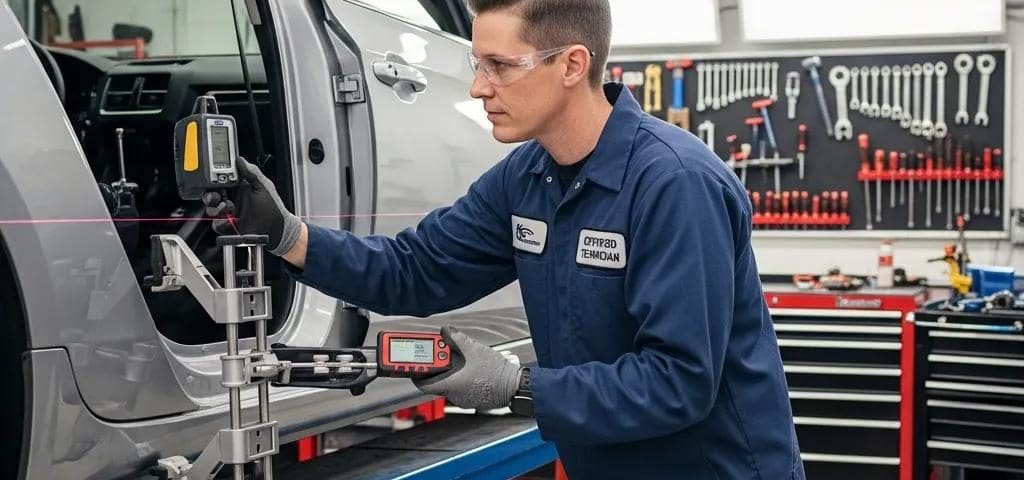
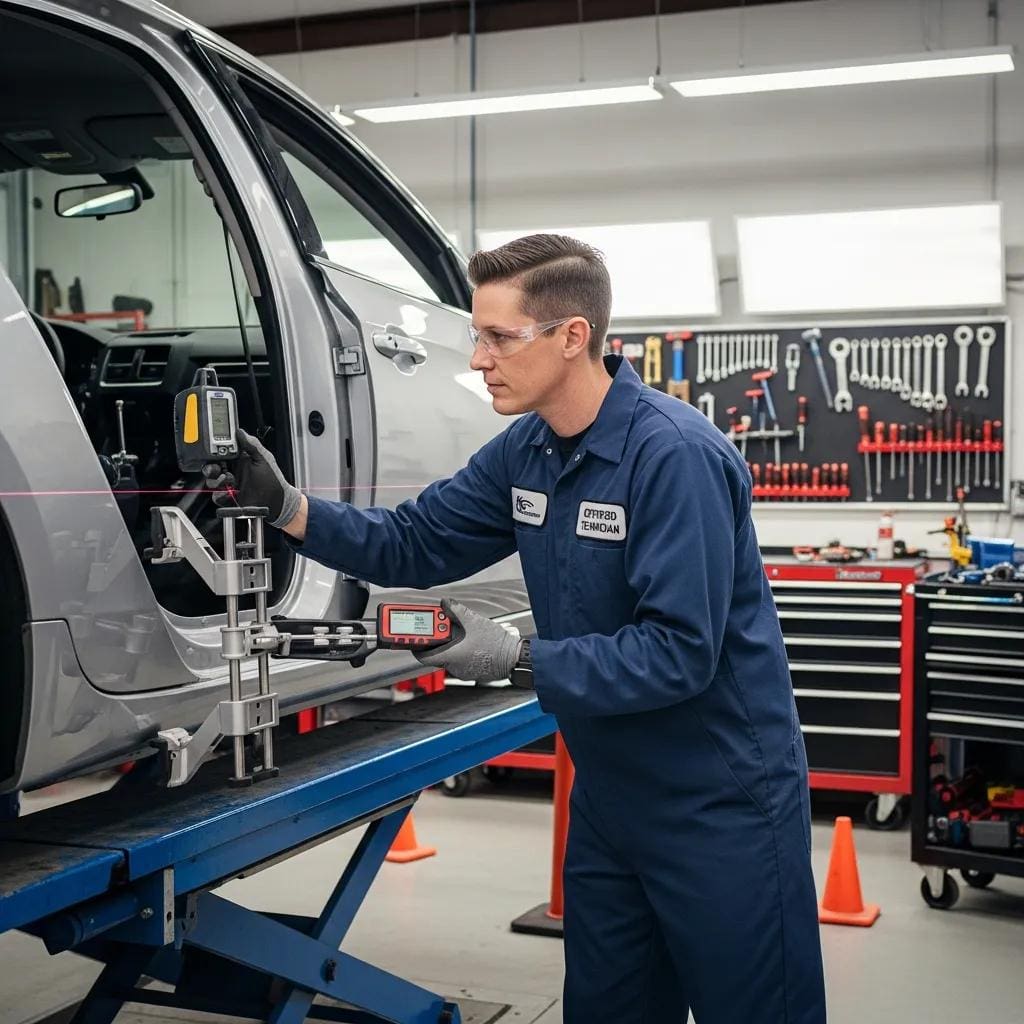
Certified Frame Repair Pros – Miracle Body and Paint Collsion Center
Certified frame and structural repair is essential for maintaining vehicle safety and integrity after a collision. In San Antonio, TX, understanding the nuances of frame repair can significantly impact the longevity and performance of your vehicle. This article delves into the expert techniques used in auto frame repair, the importance of vehicle safety, and the restoration processes that ensure your vehicle is roadworthy. We will also explore the significance of certification in frame repair, common signs of frame damage, and how certified technicians restore vehicle safety through advanced repair techniques.
Expert Auto Frame Repair Techniques
Expert auto frame repair techniques involve a comprehensive inspection of the vehicle’s frame and structural components. This process includes precision repair and alignment, ensuring that all parts are restored to their original specifications. Advanced technologies, such as frame alignment technology, are utilized to achieve a high level of accuracy in repairs. These techniques not only enhance the vehicle’s structural integrity but also improve overall safety for the driver and passengers.
Vehicle Safety
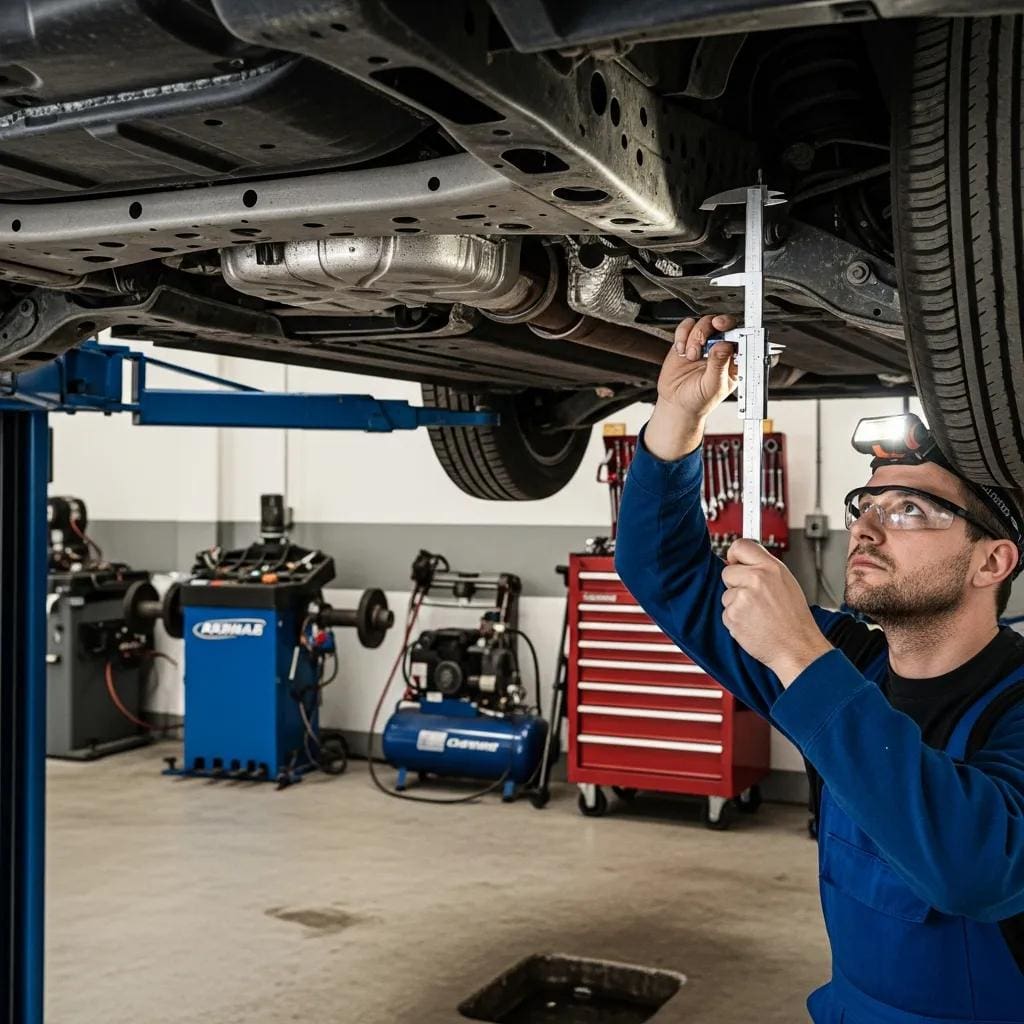
Proper frame repair is crucial for vehicle safety. A misaligned frame can lead to various safety issues, including compromised handling and increased risk of accidents. The importance of frame alignment cannot be overstated, as it directly impacts the vehicle’s safety systems, such as airbags and anti-lock brakes. By ensuring that the frame is correctly aligned, drivers can prevent future mechanical issues and enhance the overall safety of their vehicles.
Understanding the broader context of automotive safety systems, including those active during and after a collision, further emphasizes the critical role of proper vehicle restoration.
Automotive Post-Collision Safety Systems & Verification
There are different types of automotive safety systems focused on crash events. These types could be classified as pre-collision, during-collision, and post-collision systems. Pre-collision systems involve, among others: ABS brake systems, stability control systems. During-collision systems: Airbag systems, seat belt tensioner systems. Its function prevents an impact or minimizes physical occupants’ harm, respectively. The post-collision systems target is focusing on decreasing the period of time between a crash event and assistance’s arrival in order to provide timely assistance. However, while pre-collision systems and during-collision systems are currently in use, post-collision systems have not been thoroughly researched and provide a wide opportunity for the R&D area. In this sense, this paper describes a proposal about how a post-collision system should work and how it could be tested. This paper will firstly show the post-collision control system’s FR and NFR and secondly the requirements’ verification applying a verification language.
Automotive
post-collision control software system: Requirements and verification, JRA Cisneros, 2021
Restoration Processes
The restoration process for frame repair involves several key steps. Initially, a thorough assessment and documentation of the damage are conducted. This is followed by the execution of repairs according to OEM (Original Equipment Manufacturer) procedures, ensuring that the vehicle is restored to its factory specifications. Finally, quality control and inspection are performed to verify that all repairs meet the required standards. This meticulous approach guarantees that the vehicle is safe and reliable for road use.
Significance of Certification
Certification plays a vital role in frame repair. Certified technicians are trained to adhere to strict standards of repair quality, which instills confidence in customers regarding the safety and reliability of their vehicles. The importance of certified technicians cannot be overlooked, as they possess the knowledge and skills necessary to perform complex repairs accurately. This certification not only enhances the quality of repairs but also provides peace of mind to vehicle owners.
The rigorous training and educational programs that shape these skilled professionals are foundational to maintaining high standards in collision repair.
Collision Repair Technology Education & Competency
Secondary vocational-technical education programs in Mississippi are faced with many challenges resulting from sweeping educational reforms at the national and state levels. Schools and teachers are increasingly being held accountable for providing true learning activities to every student in the classroom. This accountability is measured through increased requirements for mastery and attainment of competency as documented through both formative and summative assessments. The courses in this document reflect the statutory requirements as found in Section 37-3-49, Mississippi Code of 1972, as amended (Section 37-3-46). In addition, this curriculum reflects guidelines imposed by federal and state mandates (Laws, 1988, ch. 487, Section 14; Laws, 1991, ch. 423, Section 1; Laws, 1992, ch. 519, Section 4 effective from and after July 1, 1992; Carl D. Perkins Vocational Education Act IV, 2007; and No Child Left Behind Act of 2001). Collision Repair is a pathway for students in the Transportat
Collision Repair Technology. Program CIP: 47.0603., 2009
What Are the Signs and Types of Vehicle Frame Damage in San Antonio?
Identifying signs of vehicle frame damage is crucial for timely repairs. Common types of frame damage include bent frames, misaligned suspensions, and structural cracks. Visible signs of damage may include uneven tire wear, doors that do not close properly, and unusual noises while driving. Early detection of these issues is essential to prevent further complications and ensure the vehicle’s safety.
How to Identify Frame and Unibody Structural Damage?
Identifying frame and unibody structural damage requires careful inspection techniques. Common indicators of damage include misaligned body panels, gaps between the doors and body, and visible rust or corrosion. Professional assessment is crucial, as trained technicians can accurately diagnose issues that may not be immediately apparent to the untrained eye. Understanding these signs can help vehicle owners take proactive measures to address potential problems.
Common Causes of Collision Frame Damage in San Antonio Vehicles
Collision frame damage can result from various incidents. Common causes include front-end impacts, side impacts, and even non-collision events such as potholes or curb strikes. Each of these scenarios can lead to significant structural damage that requires professional repair. Understanding these causes can help vehicle owners take preventive measures to protect their vehicles.
How Does Certified Frame and Unibody Repair Restore Vehicle Safety?
Certified frame and unibody repair restores vehicle safety through a combination of advanced techniques and thorough inspections. Technicians utilize specialized equipment to realign the frame and ensure that all components are functioning correctly. This process not only restores the vehicle’s structural integrity but also enhances safety features, providing drivers with a reliable and secure driving experience.
What Are the Certified Frame Repair Processes and Techniques?
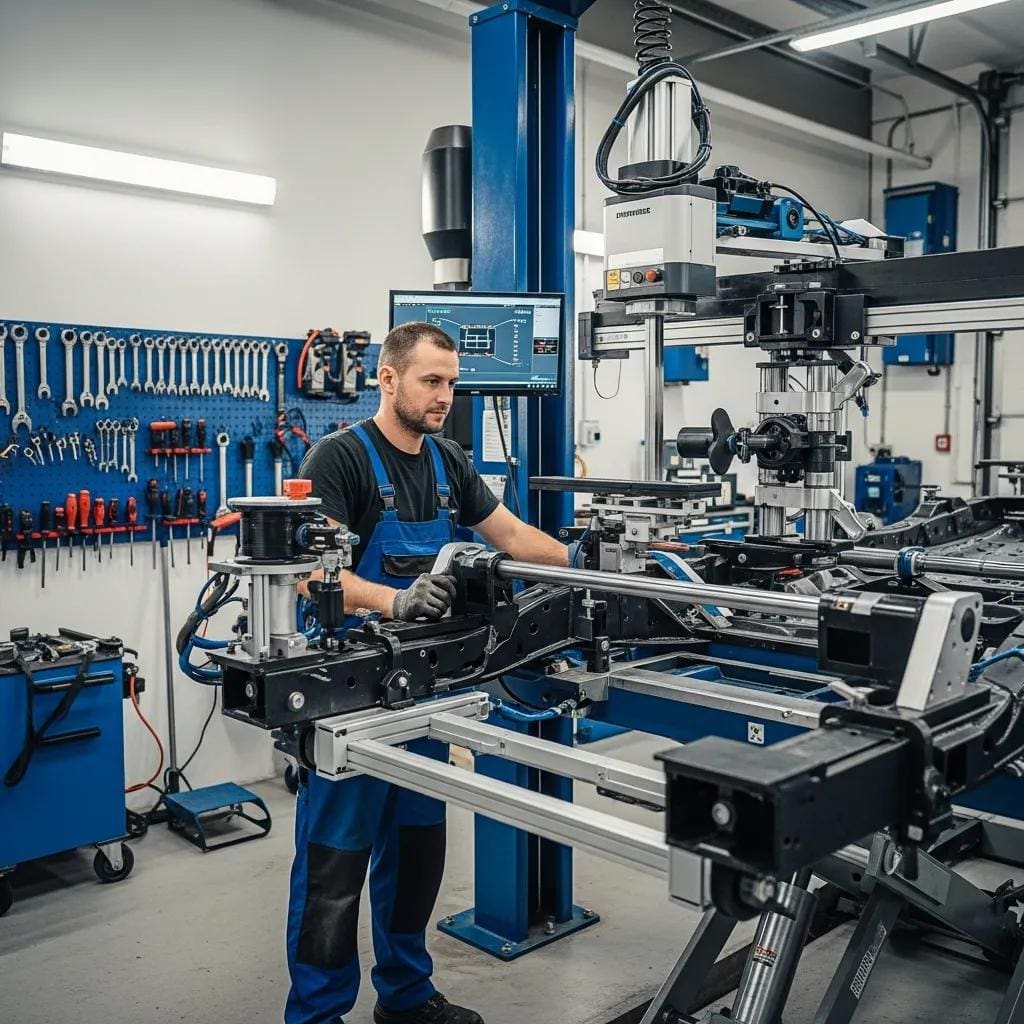
Certified frame repair processes involve several critical steps. Initially, a comprehensive inspection is conducted to assess the extent of the damage. Following this, various repair techniques are employed, including frame straightening and component replacement. Finally, thorough quality checks are performed to ensure that all repairs meet industry standards. This systematic approach guarantees that the vehicle is restored to its optimal condition.
How Do Certified Technicians Use Frame Straightening Technology?
Certified technicians employ advanced frame straightening technology to restore vehicles to their original specifications. This technology allows for precise adjustments to be made, ensuring that the frame is aligned correctly. The importance of precision in this process cannot be overstated, as even minor misalignments can lead to significant safety issues. By utilizing state-of-the-art equipment, technicians can effectively restore the vehicle’s structural integrity.
Why Choose Certified Auto Body Repair Shops in San Antonio for Frame Services?
Choosing certified auto body repair shops in San Antonio for frame services offers numerous benefits. Certified shops adhere to strict quality assurance standards, ensuring that repairs are performed to the highest level. Additionally, customers can trust that certified technicians possess the necessary skills and knowledge to handle complex repairs. This commitment to quality not only enhances the safety of the vehicle but also builds customer trust in the repair process.
What Certifications and Quality Assurances Should You Look For?
When selecting a repair shop, it is essential to look for specific certifications that indicate a commitment to quality. Key certifications include I-CAR certification and ASE certification, which demonstrate that technicians have undergone rigorous training and adhere to industry standards. Understanding the importance of these certifications can help vehicle owners make informed decisions when choosing a repair shop.
These certifications, particularly those from organizations like ASE, are backed by comprehensive standards that ensure technicians are thoroughly evaluated and trained.
ASE Certification Standards for Auto Body & Collision Repair
This publication provides the evaluation policies, procedures, and standards to which an auto body technician training program must adhere to be granted certification by the National Institute for Automotive Service Excellence. The policies section has three parts: the automobile areas that may be certified and minimum requirements for certification; information about evaluation team leaders, on-site evaluation team members, task lists, tools and equipment, and automobile program evaluation; and discussion of policies on articulation agreements, recognition for certification, appeals and action for revocation. The procedures section provides an overview of the process for certification. The next section contains the 10 program standards in these areas: purpose, administration, learning resources, finances, student services, instruction, equipment, facilities, instructional staff, and cooperative agreements. The task list follows. Lists of assumptions and definitions are provided. The
TITLE ASE Program Certification Standards for Collis;. on Repair & Refinish Technician Training Programs. INSTITUTION National Automotive Technicians Education …, 1993
How to Find Trusted Certified Frame Repair Specialists in San Antonio?
Finding trusted certified frame repair specialists in San Antonio involves researching local options and checking their certifications. Reading reviews and testimonials can provide valuable insights into the quality of service offered by different shops. Additionally, asking for recommendations from friends or family can help identify reputable specialists who prioritize customer satisfaction.
What Are the Insurance, Cost, and Warranty Considerations for Frame Repair?
Insurance coverage for frame repair can vary significantly based on the policy and provider. It is essential for vehicle owners to understand their insurance coverage and any potential out-of-pocket costs associated with repairs. Warranty options are also an important consideration, as they can provide additional peace of mind regarding the quality of repairs. Understanding these factors can help vehicle owners navigate the repair process more effectively.
Is Collision Frame Repair Covered by Insurance in San Antonio?
Collision frame repair is often covered by insurance, but the extent of coverage can depend on the specific policy. Vehicle owners should review their insurance policies to understand what is included and any deductibles that may apply. Additionally, working with certified mechanics can facilitate the claims process, ensuring that all necessary documentation is provided to the insurance company.
What Warranty Options Are Available for Certified Frame Repairs?
Warranty options for certified frame repairs can vary by shop and service. Common warranty offerings include limited lifetime warranties on repairs, which cover defects in workmanship and materials. Understanding the warranty coverage available can help vehicle owners make informed decisions and ensure that they are protected in the event of future issues.
Frequently Asked Questions
What should I expect during a frame repair assessment?
During a frame repair assessment, a certified technician will conduct a thorough inspection of your vehicle’s frame and structural components. This process typically involves checking for visible damage, misalignments, and any underlying issues that may not be immediately apparent. The technician will document their findings and provide a detailed report outlining the necessary repairs. This assessment is crucial for determining the extent of the damage and ensuring that all repairs are performed according to industry standards.
How long does a typical frame repair take?
The duration of a frame repair can vary significantly based on the extent of the damage and the specific repair techniques required. Minor repairs may take a few days, while more extensive damage could require a week or longer. Factors such as parts availability, the complexity of the repair, and the shop’s workload can also influence the timeline. It’s best to consult with the repair shop for a more accurate estimate based on your vehicle’s condition.
Are there any risks associated with not repairing frame damage?
Neglecting to repair frame damage can lead to several serious risks. A compromised frame can affect the vehicle’s handling, stability, and overall safety, increasing the likelihood of accidents. Additionally, unresolved frame issues can lead to further mechanical problems, resulting in costly repairs down the line. It’s essential to address frame damage promptly to ensure the safety of both the driver and passengers, as well as to maintain the vehicle’s value.
What types of vehicles can benefit from certified frame repair?
Certified frame repair is beneficial for a wide range of vehicles, including cars, trucks, SUVs, and vans. Any vehicle that has experienced a collision or structural damage can benefit from professional frame repair services. This includes both traditional body-on-frame vehicles and unibody designs. Regardless of the vehicle type, certified technicians can restore structural integrity and safety, ensuring that the vehicle meets manufacturer specifications and is safe for road use.
How can I ensure the quality of frame repair services?
To ensure the quality of frame repair services, look for certified auto body shops with positive customer reviews and testimonials. Verify that the technicians hold relevant certifications, such as I-CAR or ASE, which indicate their training and expertise. Additionally, inquire about the shop’s warranty policies and quality assurance processes. A reputable shop will be transparent about their methods and provide a detailed estimate before starting any work, giving you confidence in their services.
What are the common misconceptions about frame repair?
One common misconception about frame repair is that it is only necessary for severe accidents. In reality, even minor collisions can cause frame damage that affects vehicle safety and performance. Another misconception is that all repair shops provide the same level of service; however, certified shops adhere to strict quality standards and employ trained technicians. Understanding these misconceptions can help vehicle owners make informed decisions about their repair needs and prioritize safety.