


Independent Body Shop vs Dealership Collision Center
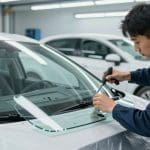
Does Auto Body Repair Include Windshield Replacement?

When you face a minor collision, knowing the average fender bender repair cost helps you plan. Small accidents can quickly turn into thousands of dollars in unexpected expenses.
Modern cars are full of sensors and complex systems. Even a light hit can affect safety modules, paint matching, or hidden parts.
You should understand that final repair costs depend on the type of vehicle, the extent of damage, and which parts and materials are needed.
Minor scratches or a dented bumper might seem cheap to fix, yet advanced materials and labor can raise the dollars you owe.
Keeping your peace of mind means choosing qualified pros and coordinating with insurance to restore your car to safe, pre-accident condition.
Key Takeaways
- Average expenses vary widely; expect surprises after a collision.
- Modern vehicles may need specialty parts and paint matching.
- Safety systems can drive up repair needs and time in the shop.
- Small scratches or bumper dents can lead to higher bills.
- Work with trusted technicians and your insurance for best results.
Understanding the True Cost of a Fender Bender
What looks like a small bump can hide complex problems under the surface. A fender bender is usually a low-speed collision, yet many vehicle owners see around $1,000 in auto collision repair bills after an inspection.
You may think the damage to your car is just cosmetic. But professional shops often discover internal issues that raise the final dollars you pay.
Insurance companies track accidents and may raise your premiums, which adds to long-term ownership costs. That makes the decision to file a claim or pay out of pocket an important one for your wallet.
- Minor collisions: Defined by low-speed impacts but not always low expenses.
- Hidden damage: Diagnostic work can reveal deeper structural or sensor issues.
- Variable pricing: Make, model, and year affect parts and labor estimates.
Knowing these factors helps you choose the best path—file with insurance or handle car repairs yourself—so you keep control of the outcome and expense.
Factors Influencing Your Fender Bender Repair Cost

Even a low-speed impact can trigger sensors and structural checks that affect your final invoice.
Advanced Safety Systems
Modern vehicles use ADAS like parking sensors and automatic braking. When these systems are affected, you often need recalibration or module replacement.
This work requires diagnostics and specialist tools, which raises labor and parts needs.
Modern Materials and Design
Lightweight metals such as aluminum and high‑strength steel change the way technicians restore structure. These materials need precise welding, special equipment, and trained technicians.
Using OEM parts for proper replacement often increases parts prices and the time your car spends in the shop.
Paint Matching and Finishes
Achieving an invisible paint job takes color matching technology and multiple coats. A poor match can lead to peeling or rust down the line.
Professional paint services include surface prep, primer, and clear coats to protect the finish and value of your vehicle.
- ADAS recalibration increases diagnostic time and labor costs.
- Aluminum or high‑strength steel demand specialist labor and tooling.
- OEM parts and precise alignment checks affect final expenses and safety.
| Factor | Typical Impact on Bill | Common Shop Service | Example Consequence |
|---|---|---|---|
| Advanced systems | Moderate to high | Sensors diagnostic & recalibration | Brake assist misalignment |
| Lightweight materials | High | Specialized welding & panel replacement | Weakened structural joints if done poorly |
| Paint finish | Low to moderate | Color match, multi‑stage paint job | Visible mismatch or future peeling |
| Alignment & inspection | Moderate | Frame and alignment check | Poor handling or uneven tire wear |
Hidden Damage Beneath the Surface
Hidden structural problems often lie beneath seemingly minor impact marks. You may see a dent or scrape but not the true extent of the damage.
Identifying Structural and Internal Damage
Always get a professional inspection. Even a small fender bender can cause frame damage that needs structural alignment. That work can range from $600 to $2,000 depending on severity.
- Internal wiring and sensors inside body panels can fail after a collision and need testing.
- Surface scratches on the bumper may mask harm to crumple zones designed to absorb energy.
- Technicians check suspension and alignment with specialized gear to find hidden issues.
- Replacing damaged internal parts and OEM parts replacement is often required to restore safe condition.
| Hidden Problem | Common Service | Why it matters |
|---|---|---|
| Frame misalignment | Structural alignment | Affects handling and safety |
| Sensor/wiring faults | Diagnostics & replacement | Ensures proper systems function |
| Crumple zone damage | Panel replacement & paint | Preserves impact protection |
Failing to address these issues can leave your vehicle in unsafe condition, so a full, professional job is essential.
Navigating Insurance and Out-of-Pocket Expenses

How you handle the claim and payment options affects the final bill for your vehicle. Most policies include a deductible, commonly between $500 and $1,000, which you must pay before insurance covers remaining expenses.
If you file a claim, the provider may favor aftermarket parts when settling. That can leave you paying the difference if you prefer OEM parts for better fit and finish.
Labor costs rise when technicians must work on modern systems and advanced safety components. Shops often coordinate with adjusters to document damage and speed approval, which helps keep the process safe and efficient.
- Ask for a detailed estimate that separates parts, materials, and labor.
- Consider how filing might affect future premiums before committing.
- If you pay out-of-pocket, negotiate for OEM parts and a clear labor breakdown.
| Item | What to expect | Why it matters |
|---|---|---|
| Deductible | $500–$1,000 typical | Determines your immediate outlay |
| Parts | OEM vs aftermarket options | Affects fit, warranty, and potential extra payment |
| Labor | Specialized diagnostics & systems work | Higher rates for trained technicians |
| Claims impact | Possible premium increases | Long-term expenses beyond the invoice |
For complex collisions and full-service guidance, learn more about how shops handle major damage at addressing severe collision damage.
Smart Strategies to Minimize Repair Costs
Taking a few proactive steps after an impact can protect your wallet and get your car back on the road faster. Start by documenting damage and asking for written estimates from at least two shops so you can compare parts, labor, and timelines.
Comparing Estimates and Shops
When you get multiple quotes, look beyond the bottom line. Check whether the shop uses quality parts and follows manufacturer procedures.
Local shops often offer a faster turnaround and more personalized service, which helps you return to the road sooner.
- Compare parts versus labor breakdowns, not just the total.
- Ask about techniques for minor scratches and bumper dents that avoid full part swaps.
- Verify warranties and whether alignment or systems recalibration are included.
Exploring Financing Options
If the upfront amount strains your budget, ask the service team about payment plans. Many shops work with lenders or offer in-house financing so you can spread expenses over time.
Also weigh filing with your insurance versus paying privately to see which preserves future premiums. For more on how shops handle panel and systems work, read about how expert teams approach collision jobs like this.
| Strategy | What to check | Benefit |
|---|---|---|
| Multiple quotes | Parts, labor, timeline | Fair price and better options |
| Local shop | Turnaround and service level | Faster, more personal care |
| Financing | Payment terms and rates | Manageable monthly payments |
Conclusion: Trust Miracle Body and Paint Collision Center for Your Repairs
Your vehicle deserves a skilled team that restores both appearance and safety after damage.
Miracle Body and Paint Collision Center delivers clear estimates and dependable collision repair to help you get back on the road. Our technicians handle everything from minor scratches to structural work using quality parts to keep your car in pre-accident condition.
Trust our experienced team to manage repairs, explain repair costs, and prioritize safety so you have peace of mind.
We invite you to hire Miracle Body and Paint Collision Center to fix your collision repair damage on your vehicle at one of our two San Antonio locations:
North West San Antonio – Leon Valley: 6217 Grissom Rd., San Antonio, TX 78238 • (210) 680-1987
North East San Antonio: 4650 Walzem Rd., San Antonio, TX 78218 • (210) 858-3630
FAQ
What range should you expect for a minor bumper and panel job?
FAQ
What range should you expect for a minor bumper and panel job?
For a small impact that only affects the outer skin and paint, typical shop estimates usually fall between 0 and
FAQ
What range should you expect for a minor bumper and panel job?
For a small impact that only affects the outer skin and paint, typical shop estimates usually fall between $300 and $1,200. Prices vary with parts, paint blending, and whether you need a replacement panel or a simple buff and touch-up. Labor rates and material quality at the collision center will influence the final figure.
How do advanced safety systems affect your bill?
Vehicles with airbags, parking sensors, or lane-assist cameras often require recalibration or replacement of sensors after a collision. Those tasks add both parts and diagnostic labor to the invoice, sometimes several hundred dollars more, because certified equipment and specialized technicians are necessary to restore safety functions.
Can modern materials and design increase expense?
Yes. High-strength steel, aluminum, and composite panels need different tools and techniques. If your vehicle uses aluminum or advanced composites, you may pay extra for specialized repair methods or OEM replacement parts, increasing both parts and labor charges compared with older-style steel panels.
Why does paint matching raise the price?
Matching factory paint requires time for color matching, blending adjacent panels, and multiple coats with clearcoat. Premium finishes like metallics or pearlescent paints demand more precise mixing and longer curing, which drives up material and labor costs compared to a basic touch-up.
How can hidden damage under the surface affect the estimate?
What looks minor on the outside can hide bent mounts, radiator damage, frame misalignment, or suspension issues. Once the bumper and trim come off, shops may find structural or mechanical problems that increase parts and labor, so a preliminary estimate can change after full inspection.
How do shops identify structural or internal damage?
Technicians use visual inspection, test-driving, computerized frame measuring, and diagnostic scans. They check alignment, mounts, and internal components behind panels. Modern shops often include these checks in a detailed estimate so you understand any extra work before it begins.
Will insurance always cover the full expense?
Coverage depends on your policy, deductible, and fault determination. If you file through your carrier, they typically handle payments for covered repairs minus your deductible. If the other driver is at fault, their insurer may be responsible, but you’ll still need documentation and possibly a claims adjuster assessment.
Should you pay out of pocket sometimes instead of using insurance?
For very minor damage where the price is close to or below your deductible, paying out of pocket can avoid a rate increase. Compare the repair estimate with your deductible and consider your claims history before deciding whether to involve insurance.
What’s the best way to compare estimates and choose a shop?
Get at least three written estimates from reputable collision centers, check certifications like I-CAR or ASE, read reviews, and ask about warranty on workmanship and parts. Make sure each estimate lists parts, labor hours, paint work, and any calibration or alignment services so you can compare apples to apples.
Are financing options available for unexpected repairs?
Many shops partner with lenders to offer payment plans or accept credit cards. You can also explore personal loans or manufacturer assistance programs for newer vehicles. Ask the service advisor about terms, interest, and any promotional plans to spread the expense responsibly.
What should you do immediately after a minor collision to minimize future expenses?
Document the scene with photos, exchange information with other drivers, file a police report if required, and contact your insurer promptly. Have a trusted shop or collision center inspect the vehicle quickly to catch hidden damage early—timely action helps avoid more costly repairs down the road.
How long does a typical minor outer-panel repair take?
Small cosmetic jobs often take 1–3 days, depending on paint curing times and parts availability. More complex jobs requiring sensor recalibration, alignment, or ordering OEM parts can take a week or more. Your repair shop should give a realistic timeline when they provide the estimate.
,200. Prices vary with parts, paint blending, and whether you need a replacement panel or a simple buff and touch-up. Labor rates and material quality at the collision center will influence the final figure.
How do advanced safety systems affect your bill?
Vehicles with airbags, parking sensors, or lane-assist cameras often require recalibration or replacement of sensors after a collision. Those tasks add both parts and diagnostic labor to the invoice, sometimes several hundred dollars more, because certified equipment and specialized technicians are necessary to restore safety functions.
Can modern materials and design increase expense?
Yes. High-strength steel, aluminum, and composite panels need different tools and techniques. If your vehicle uses aluminum or advanced composites, you may pay extra for specialized repair methods or OEM replacement parts, increasing both parts and labor charges compared with older-style steel panels.
Why does paint matching raise the price?
Matching factory paint requires time for color matching, blending adjacent panels, and multiple coats with clearcoat. Premium finishes like metallics or pearlescent paints demand more precise mixing and longer curing, which drives up material and labor costs compared to a basic touch-up.
How can hidden damage under the surface affect the estimate?
What looks minor on the outside can hide bent mounts, radiator damage, frame misalignment, or suspension issues. Once the bumper and trim come off, shops may find structural or mechanical problems that increase parts and labor, so a preliminary estimate can change after full inspection.
How do shops identify structural or internal damage?
Technicians use visual inspection, test-driving, computerized frame measuring, and diagnostic scans. They check alignment, mounts, and internal components behind panels. Modern shops often include these checks in a detailed estimate so you understand any extra work before it begins.
Will insurance always cover the full expense?
Coverage depends on your policy, deductible, and fault determination. If you file through your carrier, they typically handle payments for covered repairs minus your deductible. If the other driver is at fault, their insurer may be responsible, but you’ll still need documentation and possibly a claims adjuster assessment.
Should you pay out of pocket sometimes instead of using insurance?
For very minor damage where the price is close to or below your deductible, paying out of pocket can avoid a rate increase. Compare the repair estimate with your deductible and consider your claims history before deciding whether to involve insurance.
What’s the best way to compare estimates and choose a shop?
Get at least three written estimates from reputable collision centers, check certifications like I-CAR or ASE, read reviews, and ask about warranty on workmanship and parts. Make sure each estimate lists parts, labor hours, paint work, and any calibration or alignment services so you can compare apples to apples.
Are financing options available for unexpected repairs?
Many shops partner with lenders to offer payment plans or accept credit cards. You can also explore personal loans or manufacturer assistance programs for newer vehicles. Ask the service advisor about terms, interest, and any promotional plans to spread the expense responsibly.
What should you do immediately after a minor collision to minimize future expenses?
Document the scene with photos, exchange information with other drivers, file a police report if required, and contact your insurer promptly. Have a trusted shop or collision center inspect the vehicle quickly to catch hidden damage early—timely action helps avoid more costly repairs down the road.
How long does a typical minor outer-panel repair take?
Small cosmetic jobs often take 1–3 days, depending on paint curing times and parts availability. More complex jobs requiring sensor recalibration, alignment, or ordering OEM parts can take a week or more. Your repair shop should give a realistic timeline when they provide the estimate.

