


What Happens When Your Insurance Company Denies Part of a Collision Repair Claim?
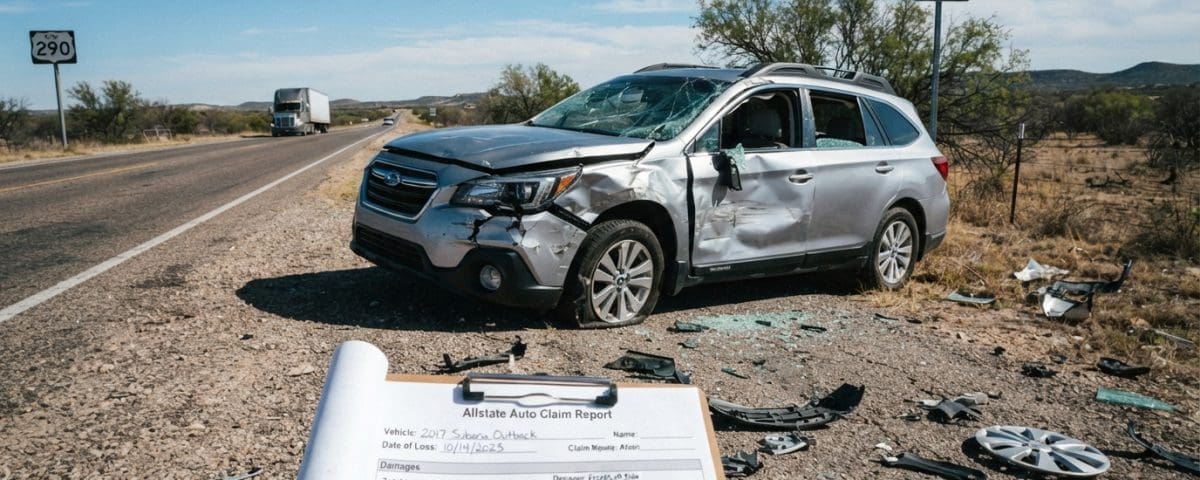
An insurer compares estimated damage with your vehicle’s value before the accident to decide total loss vs repair. In Texas, that choice rests on a financial and safety review, not appearance alone. A badly dented car may be repairable, while hidden damage can change the decision.
The result can affect your claim, your transportation, and what happens to a vehicle you still owe money on. Fault can also affect which insurer handles the claim. Knowing what the decision means can help you ask clear questions and plan your next move.
This guide explains how insurers assess the damage and what you can do if the result seems wrong. You will also learn which details to check before moving forward. First, it helps to understand the calculation used in Texas.
Key Takeaways
- Texas insurers weigh repair costs, salvage value, and vehicle value.
- Damage found during inspection can change an estimate.
- Coverage depends on how the damage happened and who was at fault.
- A settlement may go to your lender before you receive money.
- A drivable vehicle may still need repairs and title steps.
- You can support a valuation review with local vehicle prices and records.
How Do Texas Insurers Decide Between Total Loss vs Repair?
Texas insurers compare estimated repair costs plus salvage value with actual cash value, or ACV. ACV means the vehicle’s market value immediately before the accident, adjusted for age, mileage, wear, and condition. Texas is described as using a 100% total-loss threshold through this formula.
The calculation does not simply ask whether repairs cost as much as the vehicle’s full value. It adds the amount a salvage buyer would pay for the damaged vehicle, called salvage value. When the combined figure reaches or exceeds ACV, the formula supports a total-loss determination.
The Texas total-loss calculation
For example, a vehicle with a $15,000 ACV and $4,000 salvage value reaches ACV when estimated repairs reach $11,000. The table shows how different repair estimates affect that result.
| Actual cash value | Estimated repairs | Salvage value | Formula result |
|---|---|---|---|
| $15,000 | $10,000 | $4,000 | $14,000, below ACV |
| $15,000 | $11,000 | $4,000 | $15,000, reaches ACV |
| $15,000 | $12,000 | $4,000 | $16,000, exceeds ACV |
A total loss vs repair calculator can help you follow the figures, but it cannot replace the insurer’s inspection or policy review. Total loss vs repair insurance decisions depend on the estimate and the vehicle’s ACV. Ask for the figures behind the decision.
Why a repair estimate can change
An initial estimate may cover only damage that an inspector can see. A repair shop can find bent supports, damaged wiring, or other problems after removing panels. Newly found damage can raise the estimate and change the total-loss decision.
That is why the calculation depends on the repair estimate in use, not just the first inspection. The estimate’s details also show what may be driving the cost of repairs.
What Repair Costs and Damage Can Push a Vehicle Toward a Total Loss?

A crushed door can hide a bent support or damaged wiring behind the panel. That hidden damage can raise repair costs and move a vehicle closer to a total loss. The visible damage may show only part of the work needed.
Structural damage often needs careful repair to restore the vehicle’s shape and strength. Safety-related repairs, such as replacing airbags or sensors, can add parts and labor costs. Damage found after disassembly can change an estimate enough to affect the decision.
If a shop finds new problems while taking the vehicle apart, it may send the insurer a supplement. This request lists added damage and the work needed to fix it. The insurer can review the added items before approving more repairs.
Parts prices and labor also shape the total loss vs repair cost. A newer vehicle with costly sensors may need more work than its appearance suggests. Ask which estimate and calculation support the insurer’s decision, rather than relying on a simple rule of thumb.
There is no universal $3,000 rule or 30-60-90 rule that determines a Texas total loss. Whether it is better for your car to be totaled or repaired depends on safety and the numbers, not one fixed preference. The damage estimate is only one part of the claim; your policy helps show who may pay.
Which Insurance Coverage Pays for a Totaled Vehicle?
A crash may call for collision coverage, while flood damage may fall under comprehensive coverage. The cause of the damage and the drivers involved help determine which insurance may pay. Start with the event, then check your policy.
These four types of coverage may apply to a totaled car:
- Collision coverage can pay for damage from a crash, subject to your policy and deductible.
- Comprehensive coverage can cover non-collision events, such as flooding.
- Property damage liability may pay when another insured driver is at fault.
- Uninsured or underinsured motorist property damage coverage may apply when the at-fault driver has too little insurance.
Liability coverage pays for damage you cause to other people or their property. It does not pay to repair your own vehicle. If another driver caused the accident, that driver’s insurer may handle your property damage claim.
A lender or leasing company will probably require collision and comprehensive coverage on a financed or leased vehicle. Those protections help cover damage to the car that secures the loan or lease. Your policy and the facts of the accident determine which company handles the claim.
Once the insurer identifies the applicable coverage, the next question is where the payment goes. A loan or lease can affect who receives the settlement first.
What Happens to Your Total-Loss Settlement and Car Loan?
You might owe $22,000 on a loan for a vehicle worth $18,000 before a crash. The loan balance does not set the vehicle’s market value. ACV reflects depreciation, so it differs from both the original purchase price and what you still owe.
A total-loss settlement generally starts with ACV and subtracts the applicable deductible. If you owe more than the insurer pays, you may still have debt after the vehicle is gone. A lender or leasing company may receive payment toward the balance first.
The payment path depends on whether you have paid off the vehicle and how the settlement compares with your balance.
| Loan situation | Who receives payment first | Possible result |
|---|---|---|
| Vehicle paid off | Owner | Owner receives settlement, minus deductible |
| Loan balance below settlement | Lender | Lender payoff, with possible surplus to owner |
| Loan balance above settlement | Lender | Potential remaining debt after payment |
GAP coverage may cover the difference between your loan or lease balance and the insurer’s payment. Its terms determine what it pays and what limits apply. If you wonder what to do when your car is totaled and you still owe money, contact the lender and ask for the payoff amount.
Check the settlement figures and any remaining loan balance before making plans for a replacement. Understanding the offer gives you a clearer starting point for moving the claim forward.
What Should You Do After a Total-Loss Decision?
Report the loss to the insurer and keep a written record from your first contact. Save the claim number, the adjuster’s name, and each update. Clear notes can help you track what the company still needs.
Use this five-step list to keep the claim moving:
- Report the claim and note its number.
- Save letters, emails, and notes from calls.
- Collect maintenance records, upgrade receipts, and damage records.
- Notify your lender or leasing company, and keep making required payments.
- Ask the insurer what paperwork and timing remain.
Total-loss claims can take a month or longer to settle, though timing varies. An inspection, added repair review, or missing form can extend the process. Ask the insurer which step is pending and when you should expect an update.
If you need a rental car, check whether your policy includes rental reimbursement and what limits or time rules apply. Do not assume the insurer will pay for a rental just because your car cannot be driven. Keep receipts and confirm the terms with the company handling your claim.
When the paperwork is clear, decide what should happen to the damaged vehicle. Keeping it changes the payment and may affect its title and use.
Can You Keep a Totaled Vehicle or Drive It?

Your car may start and move after a crash, yet the insurer can still declare it a total loss. A running engine does not prove that the frame, airbags, or other safety parts are sound. Driving ability alone does not settle the question.
A totaled vehicle may need repairs, inspection, and title steps before it can return to road use. Its condition and title status affect what you can do next.
Keeping the vehicle as owner-retained salvage
If you keep a vehicle after a total-loss settlement, it becomes owner-retained salvage. The insurer generally reduces its payment by the salvage value and applicable deductible. You then arrange and pay for needed work under the rules that apply.
Ask the insurer how it will record the vehicle and what paperwork it will provide. A vehicle’s ability to move does not confirm that it is safe or ready for registration. Check current Texas requirements with the Texas Department of Motor Vehicles.
What a salvage or rebuilt title means for driving
A retained vehicle may need repairs, an inspection, and a salvage or rebuilt title before you can register it for road use. A salvage title marks a vehicle with a total-loss history. A rebuilt title may apply after repairs and required steps, but you should confirm current state rules.
Insurance options and resale may be harder with a salvage or rebuilt title. Ask an insurer whether it will cover the vehicle before spending money on repairs. If you do not keep it, other options include:
- Sell it for parts.
- Sell it to a salvage yard.
- Donate it.
What happens when your car is totaled but still drivable depends on its condition and title status. Do not assume you can drive it on public roads. Once you choose whether to keep or release it, you can turn to a valuation you believe is wrong.
How Can You Dispute a Total-Loss Valuation?
Compare the insurer’s vehicle details with your records before disputing the offer. Check the listed model, trim, mileage, options, and condition. Small errors in those details can affect the stated value.
Send the adjuster specific evidence and ask for a reevaluation if the ACV seems too low. Gather maintenance records, receipts for upgrades, and prices for similar vehicles in your local market. Compare vehicles with similar age, mileage, trim, and condition.
Build evidence for a higher actual cash value
Look closely at the insurer’s valuation report. It may include vehicles that differ in mileage, features, or condition. Share clear examples of local listings that match your vehicle more closely, and explain each difference in writing.
Receipts can show upgrades or recent work, while maintenance records help document care. They do not guarantee a higher amount, but they give the adjuster facts to review. A private appraisal can support your counteroffer, though you may have to pay for it yourself.
When you write or speak with the company, do not conceal relevant facts or guess. Give accurate information and separate what you know from what you are still checking. Honest, precise answers help keep the review focused on facts.
Escalate the disagreement
Send your evidence to the adjuster and request a written reevaluation. Keep copies of your documents and note the date you sent them. If the insurer does not resolve the issue, you can consider filing a complaint with the Texas Department of Insurance.
Ask the insurer to explain its response and identify any evidence it did not accept. A clear record can help you understand the disagreement and decide what to do next. If the vehicle still needs collision work, a repair shop can assess its physical damage separately.
Conclusion
Base your next steps on both the insurer’s decision and your vehicle’s condition. Check the settlement details, and make sure the car’s repair needs are clear. A total-loss decision and physical damage are related, but not the same thing.
If your vehicle needs collision repairs, contact Miracle Body and Paint Collision Center. The North West San Antonio, Leon Valley location is at 6217 Grissom Rd., San Antonio, TX 78238, and its phone number is (210) 680-1987. The North East San Antonio location is at 4650 Walzem Rd., San Antonio, TX 78218, and its phone number is (210) 858-3630. Hire Miracle Body and Paint Collision Center to fix the collision damage on your vehicle.

