


Why OEM Procedures Matter After A Collision

How To Reduce Out-Of-Pocket Repair Costs
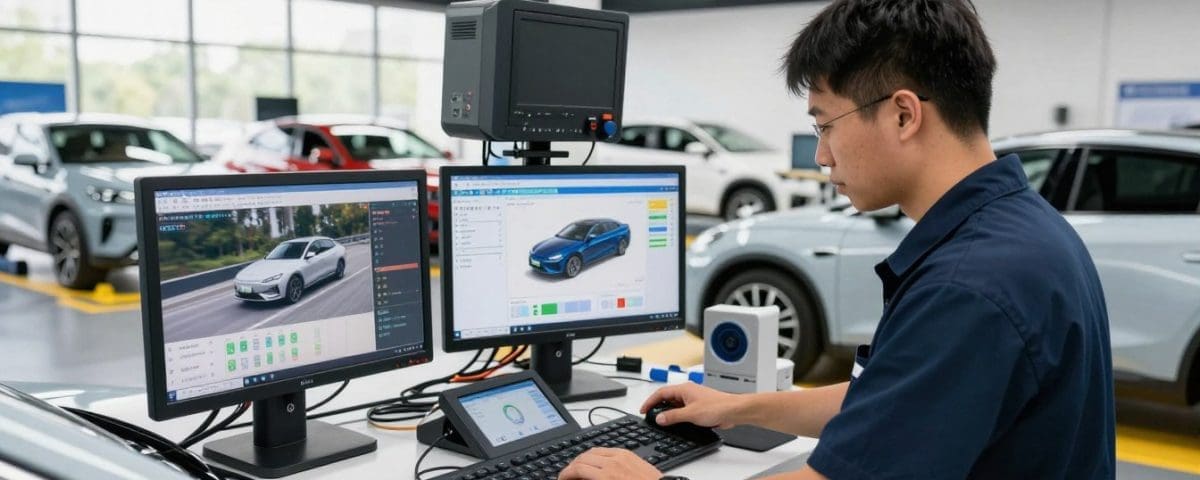
Modern cars come with advanced tech to keep you safe. Features like automatic emergency braking and lane-keeping assist use cameras and sensors. You might not notice them working, but they watch your surroundings to stop accidents.
But these systems are very sensitive. A small windshield change or a minor crash can mess up their alignment. If your car needs ADAS calibration San Antonio, ignoring it could mean your safety features won’t work when you need them.
Knowing how these techs work is key to keeping your car safe. Getting your vehicle the right ADAS calibration San Antonio is vital. It keeps your safety systems working as well as they did when your car was new.
Key Takeaways
- Modern safety systems rely on precise sensor alignment to function correctly.
- Windshield replacements often require a system reset to ensure camera accuracy.
- Ignoring sensor maintenance can lead to dangerous malfunctions during emergency situations.
- Professional service is necessary to restore factory safety standards after repairs.
- Regular inspections help protect your investment and keep your passengers safe.
Understanding ADAS and Its Importance
Have you ever wondered why your car makes small adjustments while driving? Many drivers find the constant beeps and nudges annoying. Yet, these features are key to keeping you and your passengers safe.
What is ADAS?
Advanced Driver Assistance Systems, or ADAS, use sensors, cameras, and radar. They work together to watch your surroundings and give feedback. For example, lane assist keeps your car in its lane by checking road markings.
These systems act as an extra pair of eyes on the road. They alert you to dangers or steer the car to avoid accidents. But, they need accurate data to work right.
Why It Matters for Your Safety
The main aim of these systems is to cut down on driving mistakes. They warn you or steer the car to keep you safe, even when you’re distracted. When lane assist is set up right, it adds a layer of protection.
Frustration can happen if these systems aren’t set up correctly. If the sensors are off, you might get false warnings or sudden steering. Making sure your ADAS is working well is essential for your safety.
How ADAS Works
Your car is like a super-smart co-pilot, always watching out for dangers. It uses a network of parts that talk to each other fast. This lets the car make quick decisions to keep everyone safe.
The Technology Behind ADAS
The heart of your car’s safety system is three main sensors. Cameras are on the windshield to spot lanes, signs, and people. They help the car know what’s happening on the road.
Radar sensors are in the front to check distances and speeds of other cars. Ultrasonic sensors use sound to find things close by when you’re slow. Together, they give a full view of what’s around you.
Common Features of ADAS
These sensors power features that save lives every day. Lane assist gently corrects your steering if you’re drifting. It stops accidents caused by tiredness or distraction.
Adaptive cruise control keeps your speed right for following cars. Automatic emergency braking stops fast if it sees a crash coming. These need precise settings to work right.
| Sensor Type | Primary Function | Key Benefit |
|---|---|---|
| Camera | Visual Recognition | Lane assist and sign reading |
| Radar | Distance Measurement | Adaptive cruise control |
| Ultrasonic | Proximity Detection | Parking assistance |
The Role of Calibration in ADAS
Your vehicle’s safety features rely on accurate sensor systems. After repairs, these systems can get out of balance. ADAS calibration is key to getting your car back to its original state.
What is Calibration?
Calibration is the precise process of aligning a vehicle’s cameras, radar, and sensors. It ensures they send accurate data to the onboard computer. It’s like an eye exam for your car, making sure sensors are in the right spot.
Why Calibration is Crucial
Without proper calibration, your car might not see the road right. This can cause false warnings or system failures. Even a small mistake in sensor placement can harm safety features like lane-keeping assist.
You need to get this service to keep your advanced safety systems working right.
| Feature | Calibrated System | Uncalibrated System |
|---|---|---|
| Lane Detection | High Accuracy | Erratic Warnings |
| Braking Response | Immediate/Precise | Delayed/Unreliable |
| Object Tracking | Consistent | System Failure |
| Safety Status | Fully Operational | Compromised |
Getting ADAS calibration done is more than a technical need. It’s a safety promise to yourself and others on the road. By aligning sensors, you avoid risks from system errors.
Signs Your Vehicle Needs ADAS Calibration
Modern driving uses advanced technology. But how do you know when it needs a tune-up? Spotting early signs of system failure is essential for your safety on the road. If your vehicle’s sensors are off, you might need professional ADAS calibration to work like new.
Warning Lights on the Dashboard
A persistent warning light on your dashboard is a clear sign of trouble. These lights tell you when a sensor or camera isn’t talking to the car’s computer right. Ignoring these alerts can make you feel safe when you’re not.
Seeing a symbol for lane departure or collision warning? Don’t think it’s just a small issue. You need a pro to check if your system needs ADAS calibration. Fixing these lights early can save you from bigger, more expensive problems later.
Changes in Driving Performance
You might notice your car handles differently on daily drives. Some drivers say automatic emergency braking feels unreliable or startling when it kicks in too fast. This usually means the sensors are off-kilter.
When these systems act up, some drivers turn them off. But turning them off takes away a key safety feature. Getting your ADAS calibrated right ensures your safety systems work as they should, keeping you safe on the road.
| System Feature | Normal Operation | Signs of Misalignment |
|---|---|---|
| Emergency Braking | Smooth, timely response | Sudden, jerky, or late braking |
| Lane Keeping | Gentle steering correction | System vibrates or pulls erratically |
| Adaptive Cruise | Maintains steady distance | Frequent, unnecessary speed changes |
| Dashboard Alerts | Clear during startup only | Persistent or flashing warnings |
The Calibration Process Explained

Restoring your vehicle’s safety systems is a mix of advanced diagnostics and precise mechanics. At a professional shop, technicians follow a detailed plan. This ensures your car stays safe on the road.
They make sure every electronic part works as the maker designed. This careful process is key to keeping you safe.
Initial Assessment of Your Vehicle
Every visit starts with a comprehensive diagnostic scan of your car’s network. This helps the tech find any problems or error codes. Knowing these issues early helps the team plan the right fixes.
Calibration Techniques Used by Professionals
After finding the problems, experts use specialized equipment to adjust the cameras and radar. This step is very important. Even a small mistake can mess up lane assist from working right.
Technicians tweak these sensors to talk well with the car’s computer. This careful work is essential for your safety.
By following these steps, repair centers make sure your lane assist and other systems work well. This detailed work gives you the confidence to drive safely every day.
Common Myths About ADAS Calibration
Many people believe wrong things about car sensor upkeep. They think advanced safety features are set it and forget it. But, these complex parts need regular expert checks to work right.
Myth: It’s Only for New Vehicles
Many think ADAS calibration is just for new cars. But, all sorts of cars have these sensors. Car makers have spent a lot of money to make sure these systems work well for years.
As cars get older, things like weather and wear can mess with sensors. Not fixing this can make you feel safe when you’re not. Regular checks keep your safety systems working like new.
Myth: Calibration is Unnecessary After Minor Repairs
Some think sensors stay fine after small fixes. But, even small repairs can move the cameras and radar. These parts need exact ADAS calibration to work well.
Even a tiny bit off can mess up your car’s safety features. This could be very bad during an emergency. Getting your car checked after any repairs is key to safety and value.
| Common Myth | Technical Reality | Risk Level |
|---|---|---|
| Only new cars need service | All sensors drift over time | High |
| Minor bumps are harmless | Sensors shift easily | Critical |
| Dashboard lights are optional | System failure is likely | Severe |
| DIY fixes are sufficient | Professional tools are required | Extreme |
The Benefits of Professional Calibration
Professional calibration unlocks your car’s safety features. Choosing expert service means your collision avoidance systems work perfectly. This precision keeps your driving experience safe and reliable.
Enhanced Safety While Driving
When sensors are aligned right, your car spots hazards better. This heightened accuracy lets it act fast in danger. You feel safer knowing your car is ready for anything.
Calibrated systems offer a strong safety layer for you and others. Keeping sensors sharp means your collision avoidance tech works well. This is key for drivers who count on tech to help them.
Improved Vehicle Performance
Professional care also makes driving smoother. Correctly set systems mean fewer false alarms. This makes your car and tech work together better.
Going for pro services makes your car run its best. A good collision avoidance system means no annoying tech issues. You get a better driving experience that shows off your car’s design.
Choosing the Right Calibration Service
When it comes to keeping you safe on the road, you want the best. Finding a qualified service provider is key. They must handle your collision avoidance systems with the care they need.
What to Look for in a Service Provider
Look for shops with certified technicians who know modern vehicle electronics. They understand your car’s sensors and cameras well.
Also, make sure they use the latest tools for collision avoidance system upkeep. A shop with top-notch technology shows they care about accuracy and safety.
Questions to Ask Before Calibrating
Before choosing a service, make sure you’re confident in their skills. Asking the right questions shows they’ll give your vehicle the care it needs.
Use this checklist during your first talk:
- Do you follow strict OEM procedures for every calibration?
- Will you provide detailed documentation of the calibration performed?
- Are your technicians trained in collision avoidance technology?
- Do you test the system after calibration to make sure it works?
By asking these questions, you know your vehicle’s safety features will be fixed right. Transparency and technical know-how are signs of a reliable service.
Miracle Body and Paint Collision Center Overview
At Miracle Body and Paint Collision Center, we focus on making you feel secure with our repairs. We know your car is more than a machine; it’s a key part of your life. It needs expert attention after any accident.
Our Commitment to Safety
Our place is all about giving you the best repair services. We aim to make your car as good as new. We make sure every collision avoidance feature works perfectly.
Your safety is our main concern in every repair step. By picking us, you join a team that cares about your car’s safety as much as you do.
Experienced Technicians at Your Service
Our team knows a lot about modern car tech. We know how important it is to align sensors right. This keeps your car’s systems working well.
We work hard to get all collision avoidance sensors just right. Choosing us means you’re with a team that cares about your car’s performance and your safety.
Locations of Miracle Body and Paint Collision Center

Miracle Body and Paint Collision Center makes it easy to get expert repair and collision avoidance services. We have two locations in San Antonio. This ensures you can get professional care whenever you need it.
North West San Antonio – Leon Valley
Our Leon Valley location is great for those in the northwestern part of the city. You can find us at 6217 Grissom Rd., San Antonio, TX 78238. If you have questions about your vehicle’s safety, call us at (210) 680-1987.
North East San Antonio
Our North East San Antonio facility offers the same top-notch care. You can find us at 4650 Walzem Rd, San Antonio, TX 78218. Call our friendly staff at (210) 858-3630 to book your next collision avoidance maintenance appointment.
| Location Name | Address | Phone Number |
|---|---|---|
| North West (Leon Valley) | 6217 Grissom Rd, 78238 | (210) 680-1987 |
| North East | 4650 Walzem Rd, 78218 | (210) 858-3630 |
| Service Focus | Expert Repair | Collision Avoidance |
Customer Testimonials on Our Services
Many local drivers trust us with their safety systems. They praise our repair quality and attention to detail. We see your experience as a measure of our success.
Real Stories from Satisfied Clients
Our clients share how our work restored their confidence. Visiting our shop means joining a community that values safety and reliability. Their stories show our care gives them lasting peace of mind.
Our clients often talk about the benefits they get from us:
- Clear communication throughout the repair process.
- Restoration of factory-level performance for sensitive sensors.
- Professional handling of complex collision avoidance technology.
The Impact of Proper Calibration
Proper calibration is key for your safety. When your vehicle’s systems are aligned, your collision avoidance features work as intended. This precision keeps you and your family safe.
The table below shows the positive outcomes our clients experience:
| Service Area | Before Calibration | After Calibration |
|---|---|---|
| Sensor Accuracy | Erratic alerts | Precise detection |
| System Reliability | Warning lights | Optimal performance |
| Collision Avoidance | Reduced confidence | Full system trust |
We’re proud of our reputation for excellence. Choosing our experts means your vehicle is a dependable partner on every journey.
Understanding the Cost of ADAS Calibration
Keeping your car safe means knowing about the costs of advanced tech. Regular car care makes sure all systems work right. ADAS calibration is key for modern cars.
Factors Influencing Calibration Costs
The cost can change a lot based on your car’s tech. Some cars have simple cameras, while others have many sensors. The type of sensors needed affects the time and skill needed.
ADAS calibration San Antonio needs special tools and updates. Technicians spend a lot of time to get everything right. This ensures your safety on the road.
Why Investing in Calibration is Worth It
At first, the cost might seem high. But a working safety system is priceless. It gives you reliable warnings and helps avoid accidents.
Choosing a trusted service means your car will last longer. It also keeps your car’s value up. Here’s how different parts affect the cost:
| Service Factor | Complexity Level | Impact on Cost |
|---|---|---|
| Sensor Quantity | High | Increased Labor |
| Diagnostic Time | Moderate | Standard Rate |
| Equipment Precision | High | Premium Value |
| Software Updates | Low | Minimal Fee |
Future Trends in ADAS Technology
The way cars talk to the road is changing fast. Car engineers are making smarter systems to keep you safe. These new features are a big step up in road safety.
The future looks bright for collision avoidance. Cars will use better sensors and AI to spot dangers early. This means safer roads for everyone.
Innovations to Look Out For
A big change is coming from the National Highway Traffic Safety Administration (NHTSA). By September 2029, all new cars must have emergency brakes. This will make cars even better at avoiding crashes.
Another big thing is sensor fusion. It mixes data from cameras, radar, and LiDAR for a complete 360-degree view. This helps cars react fast to dangers around them.
How They Will Transform Vehicle Safety
These new techs will change how you use your car. The need for professional calibration will grow. This ensures safety features work right.
These changes aim to cut down on accidents caused by people. By keeping up with maintenance and calibration, your car stays safe. Being proactive now means safer roads ahead.
Regulatory Standards for ADAS Calibration
Did you know your car’s safety systems are watched closely by the government? As car tech gets better, rules for ADAS calibration get tighter. This makes sure all cars on the road are safe.
National and Local Regulations
Rules from both national and local groups guide how to keep safety systems in check. These rules help your car work well in emergency situations, like sudden stops or staying in your lane.
Following the maker’s rules and industry best practices is a must. Proper ADAS calibration keeps sensors and cameras working right. This is key to your car’s safety.
Compliance Benefits for Drivers
Choosing a service that follows the rules is good for your peace of mind. It keeps you and your passengers safe on every trip.
Being compliant is more than just following the law. It’s about keeping you safe on the road. By getting your ADAS calibration done by certified pros, you dodge the dangers of bad sensor setup. Staying compliant also keeps your car’s value up and makes sure your safety features work when you need them.
Conclusion: Prioritizing Your Vehicle’s Safety
Your commitment to road safety starts with proactive maintenance of your vehicle’s advanced systems. Keeping these sensors in peak condition ensures that your car remains a reliable partner during every trip.
Taking Action on ADAS Calibration
Reliable collision avoidance depends on precise calibration. When your safety systems function correctly, you gain peace of mind knowing your vehicle is ready to react to unexpected road hazards.
Miracle Body and Paint Collision Center provides expert care for your collision repair needs. Our team ensures your ADAS is perfectly calibrated to meet manufacturer standards. We invite you to visit our North West San Antonio – Leon Valley location at 6217 Grissom Rd., or call us at (210) 680-1987.
You can also reach our North East San Antonio shop at 4650 Walzem Rd, or call (210) 858-3630. Trust our experienced technicians to restore your vehicle and keep your safety systems working exactly as intended.

