


Top Causes of Vehicle Body Damage in Texas
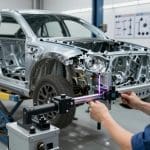
How Frame Alignment Restores Vehicle Safety
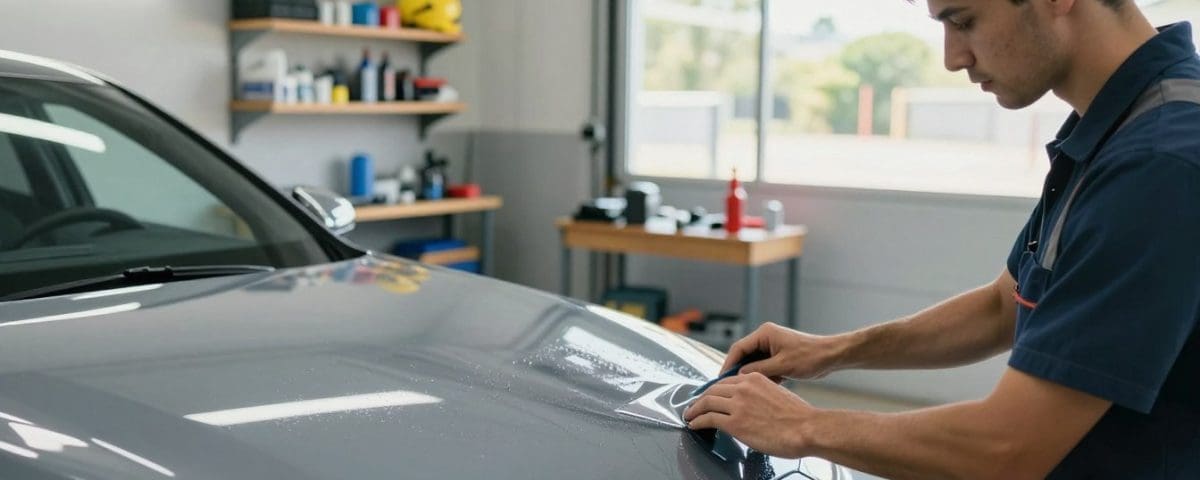
Keeping your vehicle looking great and running well is a top priority for any driver. Protecting it from future harm requires a smart mix of know-how and regular care.
Duane “Doc” Watson, a technical trainer with over 45 years in the automotive field, warns against tackling complex auto body repair without training. This can lead to expensive errors that hurt your car’s value.
Expert Chris “Moose” Pyle adds that investing in good quality tools is a wise first step for any DIY project. Knowing the basics helps you decide what you can handle.
Understanding your car’s common issues lets you make better choices. You’ll know when a small dent is a quick fix and when to visit a trusted auto body shop.
Your safety is the most important part. Always wear the right protective gear and learn the correct process for your specific vehicle model.
Key Takeaways
- Combine professional knowledge with consistent maintenance for the best protection.
- Attempting complicated fixes without proper training often leads to costlier problems.
- Learn basic repair concepts to choose between DIY and professional help wisely.
- Good tools are a necessary investment for successful work on your vehicle.
- Following the right steps preserves your car’s appearance and long-term value.
- Never compromise on safety; use appropriate gear for every job.
Understanding the Basics of Collision Damage Protection
Effective protection for your car hinges on two key ideas: what damage is and how to stop it.
What Collision Damage Entails
Harm to your vehicle is often more than surface-level scratches. Even a minor impact can compromise the structural integrity of your car’s body frame.
Understanding the difference between cosmetic and structural damage is a critical step. This knowledge directly affects your long-term safety and the vehicle’s quality.
The Importance of Preventive Measures
With 45 years in the industry, Duane “Doc” Watson states preventive maintenance is the best way to avoid expensive auto body work.
Taking time for a monthly inspection helps. You can detect rust or glass cracks before they become major structural problems.
Measures like protective paint film shield your car body from debris. Addressing a small dent immediately prevents the issue from spreading and saves you money.
Professional technicians at a reputable auto body shop can find hidden damage. They ensure your car body meets the manufacturer’s original safety standards.
Essential Collision Repair Tips
When your vehicle sustains impact damage, knowing the right path forward saves both stress and cash. Good guidance helps you decide between fixing it yourself and calling in the experts.
DIY Versus Professional Repair: Weigh Your Options
Start by honestly assessing your skill level. For a small dent or scratch, a DIY approach with a quality kit might work.
Chris “Moose” Pyle suggests beginning with a basic set of sockets and wrenches. For deeper issues involving your car’s frame, a professional auto body shop is the safer bet.
Their technicians have the experience to spot hidden problems. A simple $60 scan tool reads basic codes, but complex diagnostics need a $600 model.
Safety Considerations Before Repairing
Your well-being comes first. Duane “Doc” Watson stresses wearing safety glasses and protective clothing at all times.
This gear shields you from toxic chemicals and flying debris. Never skip this step, even for a quick fix.
Key Tools and Materials for Minor Repairs
Success hinges on using the right equipment. Invest in high-grade auto body filler and a clean mixing board for a smooth finish.
Bright garage lighting reveals every plane and crack on your car’s body. Research specific repair kits for your model to ensure a quality result that lasts.
Preparing Your Vehicle for Collision Repair
Before any hands-on work begins, a methodical setup can make all the difference. This phase ensures your safety and improves the final quality of the work on your car.

Securing the Right Protective Gear
Your personal safety is non-negotiable. Before you start any project, gather essential items like safety glasses, gloves, and a respirator.
This gear shields you from harmful dust and chemicals. As Duane “Doc” Watson notes, having the correct knowledge and tools is the first step toward a successful outcome.
Steps to Create an Effective Repair Environment
Bright LED lighting is crucial. It illuminates every plane and crack on your vehicle’s car body, revealing details you might miss.
Organize your workspace to keep tools and materials, like auto body filler, within easy reach. A clean area is vital for paint and adhesives to bond correctly.
If a problem exceeds your skill, contact a reputable auto body shop. This prevents the issue from becoming more costly. Investing time in setup improves the quality of your car body repairs.
Assessing Vehicle Damage After an Accident
A systematic approach to checking your car post-accident protects your safety and your wallet. Start by taking a deep breath and looking over your vehicle calmly.
This clear-headed check helps you spot immediate safety issues. You can then decide on the next best step.
Documenting Damage Through Photos and Notes
Your phone is a powerful tool now. Take many clear pictures of all dents scratches from different angles.
Good lighting shows every detail. Write down what happened while it’s fresh in your mind.
Look under the car body for leaking fluids. Check tires for cuts or odd bends.
If anything seems wrong with the frame, do not drive. Have it towed to a trusted auto body shop.
| Assessment Task | Can You Do It? (DIY) | Time to Call a Pro? |
|---|---|---|
| Photograph All Angles | Yes, with any smartphone | No, this is your job |
| Inspect for Fluid Leaks | Yes, look for puddles | If you see a leak, yes |
| Check Tire & Wheel Condition | Yes, for obvious damage | If steering feels off, yes |
| Look for Frame Misalignment | Maybe, compare gaps | Always, for a precise check |
| Test All Electronic Features | Yes, turn everything on | If lights or sensors fail, yes |
Your photos and notes give technicians a head start. They understand the full story before your car arrives.
This documentation is also key for insurance. It supports your claim and leads to fair repair estimates.
Investing this time now prevents stress later. It ensures you get high-quality auto body repair services.
Locating a Reputable Auto Body Shop
The search for a competent facility requires checking credentials and community feedback. Your choice directly impacts your vehicle’s future performance and appearance.
Selecting the right partner gives you confidence in the final result.
Evaluating Certifications and Customer Reviews
Start by looking for official endorsements. Shops certified by the National Institute for Automotive Service Excellence (ASE) meet high industry standards.
This shows their technicians have proven knowledge and skill. Online reviews are your next best tool.
Read what others say about their experience with dents, scratches, and paint work. Personal recommendations from friends are also valuable.
Finding Trusted Local Shops
Convenience matters, but reputation is key. A shop like Miracle Body and Paint at 6217 Grissom Rd, San Antonio, TX 78238, builds trust through consistent quality.
Visit potential shops to see their tools and workspace. Talk to the staff about your specific car body needs.
Clear communication ensures your expectations are understood.
| Evaluation Factor | What to Look For | Why It Matters |
|---|---|---|
| Technician Certifications | ASE or manufacturer badges | Ensures skilled, up-to-date work |
| Online Reputation | High ratings & detailed reviews | Shows consistent customer satisfaction |
| Work Warranty | Written guarantee on labor & parts | Protects your investment in the fix |
| Shop Facilities | Modern equipment, clean workspace | Indicates professionalism and care |
Always ask if the auto body shop offers a warranty. This promise reflects their commitment to auto body repair excellence.
Choosing a certified body shop means your car gets the best possible care. It safeguards your safety and your vehicle’s value.
DIY Collision Repair Techniques and Tools
Learning a few reliable methods empowers you to address small imperfections without a trip to the shop. With the right approach, you can keep your car body looking its best.
Knowing when a project is within your skill set is the first step to success.
Popular DIY Tips and Tricks to Try at Home
Many owners handle minor dents scratches themselves. For a smooth finish, always use a sanding block instead of your hands.
This prevents grooves and ensures an even surface on your car. Applying a finishing glaze is another smart move.
It fixes tiny flaws and preps the area for new paint. A protective film is a great DIY tip to shield your vehicle from debris.
For jobs like replacing a side mirror, you can buy panel removal tools from an auto body shop.

The Risks of Overstepping Your Limits
Always be aware of the risks. Improper work can lead to more damage and higher costs later.
Before starting, ensure you have the right knowledge. This avoids making the original problem worse.
While DIY fixes can be rewarding, knowing when to call a pro is key. For a detailed look at the pros and cons, read this guide on DIY auto body repair.
A professional body shop handles complex structural issues you shouldn’t attempt.
| Situation | DIY Approach | Professional Solution |
|---|---|---|
| Small Surface Scratch | Use touch-up paint & glaze | Not typically needed |
| Minor Parking Lot Dent | Paintless dent removal kit | If DIY fails, visit a shop |
| Cracked Bumper Cover | Plastic welding & sanding | For perfect paint match |
| Misaligned Body Panel | Do not attempt | Frame machine & expert skill |
| Rust Spot Repair | Sand, prime, and paint | For large or structural rust |
This table helps you decide. It protects your car’s value and your safety.
Investing in good quality materials makes your auto body work last. Simple repairs build confidence.
Complex body repairs demand a certified auto body shop. Their technicians ensure your vehicle is safe and looks great.
Considering Insurance and Repair Estimates
Navigating the financial side of your car’s recovery is a crucial step many drivers face. A clear plan for insurance and quotes protects your wallet.
How to Maximize Insurance Benefits
Start by reading your policy. Know your coverage limits for auto body repair work. This is your first step to getting the most from your plan.
Talk directly with your insurance adjuster. Clear communication ensures all needed repairs are approved. Keep every quote and invoice for your records.
This paperwork makes reimbursement smooth. Always ask your chosen auto body shop about their warranty. A good guarantee means they stand behind their quality.
Comparing and Negotiating Repair Estimates
Get quotes from several body shop locations. This shows you the average cost for the car body work. Use this knowledge to negotiate.
Look for a detailed list of parts and labor on each estimate. Be careful of prices that seem too low. They might mean inferior parts are being used.
If one shop offers a better deal, you can mention it to others. This helps you get the best value for your vehicle. Your due diligence pays off.
| Your Action | Goal for Insurance | Goal for Shop Estimates |
|---|---|---|
| Review Policy Documents | Understand coverage limits & deductibles | N/A |
| Collect Multiple Quotes | Provide to adjuster for approval | Establish fair market price range |
| Request Detailed Breakdown | Ensure insurer covers all line items | Compare labor rates & part quality |
| Ask About Warranty | Verify insurer accepts shop guarantee | Secure long-term protection for the work |
| Negotiate Final Price | Potentially lower out-of-pocket cost | Get the best value for your money |
Taking these steps leads to an informed choice. You protect your car body and your finances at the same time.
Future-Proofing Your Car with Maintenance and Preventive Care
Building a maintenance routine today safeguards your investment for years to come. Future-proofing your vehicle is about consistent care that stops small issues from becoming major headaches.
Regular Inspections to Detect Issues Early
Set a monthly date to look over your car body. Check for early signs of rust, scratches, or other damage. Catching these early avoids costly repairs later.
Don’t forget the interior. Regular vacuuming and dusting keep your car’s cabin pristine. This simple habit preserves your auto body and interior paint.
Tire pressure and tread depth are vital for safety. Properly maintained tires improve your car’s overall appearance and handling. This is a key part of car body repair philosophy.
The Long-Term Benefits of Scheduled Maintenance
Sticking to a schedule is a long-term investment. It helps retain your car’s resale value and ensures top condition. Your vehicle remains a reliable companion.
Professional detailing at a trusted auto body shop can restore its original splendor. These experts perform deep cleaning you might miss.
As Duane “Doc” Watson notes, learn routine swaps like air filters and wipers. This DIY knowledge saves money on basic upkeep. A well-maintained car reflects your personal style.
Consistent care and timely visits to a professional body shop are the best strategies. They ensure your auto body stays beautiful and your car body repair needs stay minimal.
Conclusion
To wrap up, true automotive care blends personal diligence with expert support when needed. Maintaining your vehicle’s body and paint is a continuous process. It combines regular care with understanding minor fixes.
Knowing when a job is for a professional auto body shop is key. Their technicians have the expertise for challenging body repairs. This restores your car to its pre-damage condition.
Documenting any damage and comparing estimates helps you navigate with ease. Building a relationship with a trusted body shop gives you confidence. Always prioritize safety and your vehicle’s long-term value.
Taking proactive steps today protects your car body from future issues. Share these essential insights with fellow drivers. Together, you can enjoy smoother journeys.

