
Fleet Collision Repair in San Antonio: How Businesses Can Reduce Vehicle Downtime
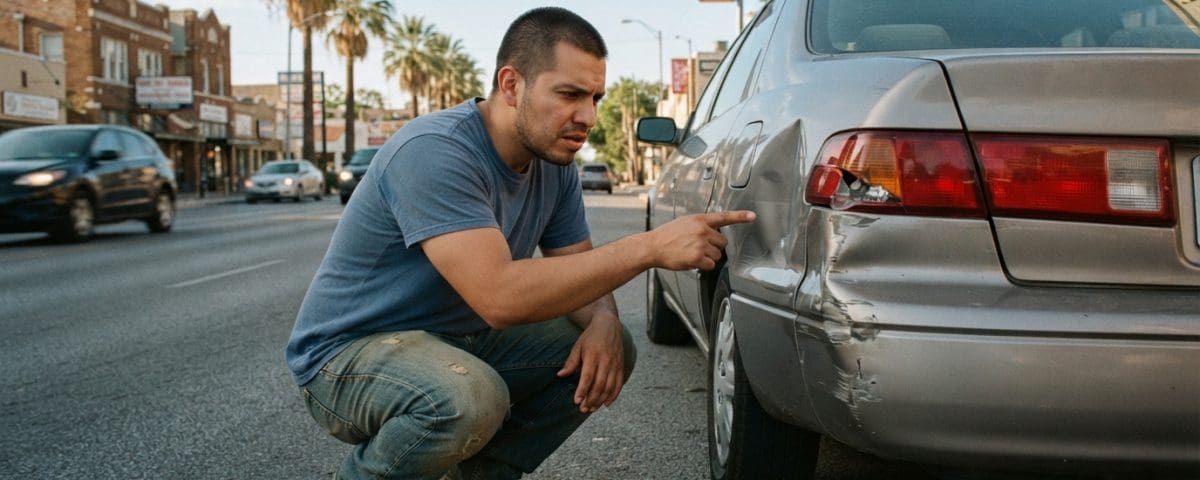
A San Antonio crash can leave you needing transportation before you know who will pay for it. A rental car after an accident can help you get to work and handle daily tasks while your vehicle is out of use. Check your policy before you assume an insurer will pay.
Rental reimbursement coverage is optional auto policy coverage that helps pay rental costs after a covered loss, within your policy’s limits. You can learn how to arrange a rental, manage costs, and move ahead with collision repairs. First, take care of safety and reporting.
Key Takeaways
- Check your policy or call your insurer about rental reimbursement coverage.
- Ask who will authorize the rental and how billing works.
- Save receipts if you pay rental costs yourself.
- Read the rental agreement for charges and optional protection.
- Confirm repair timing with the shop handling your vehicle.
What Should You Do Immediately After a San Antonio Accident?
If anyone may be injured or the scene is unsafe, call 911 or local authorities before dealing with a rental. Safety comes first, even when you need your vehicle for work or family care.
Check for injuries and document the crash
Check yourself and others for injuries, then move to a safer place if you can do so safely. Call 911 for emergency help, or contact local authorities to report the accident and ask what to do next.
Write down the police report information and the names and contact details of everyone involved. Take clear photos of vehicle damage, the road, signs, and the scene. Record the time and location while the details remain fresh.
Contact your insurer and verify your policy
Report the accident to your insurance company and ask how to start a claim. Check your policy declarations page, or call your insurer, to learn whether rental reimbursement coverage is included.
Ask whether the policy applies to this accident and what steps you must follow before booking. Write down the claim number, the name of the person handling the claim, and any instructions about an approved rental company or vehicle.
Use this short checklist to keep the immediate response clear:
- Prioritize safety and check for injuries.
- Report the crash to authorities when needed.
- Document the incident and keep report details.
- Contact your insurer about the claim and policy.
Once you have reported the accident, the next question is which party may pay for transportation.
Rental Car After Accident: Who Pays?
There are three main ways a rental bill can be handled, and none guarantees that an insurer will pay immediately. Your payment path depends on your policy, the covered loss, and whether another driver’s liability is accepted.
Your own rental reimbursement coverage may apply regardless of fault if the loss is covered. It usually has no separate deductible, though a related collision or comprehensive claim may have one.
| Payment path | When it may apply | How payment works | Key uncertainty |
|---|---|---|---|
| Your rental reimbursement coverage | Your covered loss meets policy terms | Your insurer may pay or reimburse you | Policy limits and approval steps |
| At-fault driver’s liability claim | The other driver caused the crash | The other driver’s insurer may pay | Liability must be established |
| Paying the rental company yourself | No coverage applies or approval is pending | You pay the rental company directly | Later recovery is not guaranteed |
The at-fault driver’s insurer may pay rental costs if it accepts liability. You may need to pay first if you need a car before approval, or if no applicable coverage is available.
Keep receipts if you pay out of pocket, since they may help support a claim. Once you know which payment path is plausible, move on to arranging the booking and billing.
How Do You Arrange a Rental While Repairs Are Underway?
The fastest useful call is to the claims adjuster, because that is where you can confirm approval and payment arrangements. Get clear instructions before booking, especially if an insurance company has named a rental company or set a vehicle allowance.
Ask who will pay, what the insurer has approved, and which rental companies can bill it directly. Some insurers have direct-billing arrangements with some rental companies, but direct billing is not available in every case.
Follow these steps to reserve the rental and avoid surprises at the counter:
- Call the claims adjuster to confirm authorization and billing.
- Ask whether direct billing is available at a rental company.
- Reserve a vehicle within the approved allowance.
- Bring your driver’s license, credit card, insurer details, and claim information.
If you pay first, keep receipts and ask how to submit them for reimbursement. Eligible rental expenses may qualify under your policy, but the policy sets the terms.
There is no fixed rental-arrival time across insurers and rental companies. Timing depends on claim approval and vehicle availability at the rental location.
After the booking is set, check how long the policy may cover it.
How Long Can Insurance Pay for a Rental?
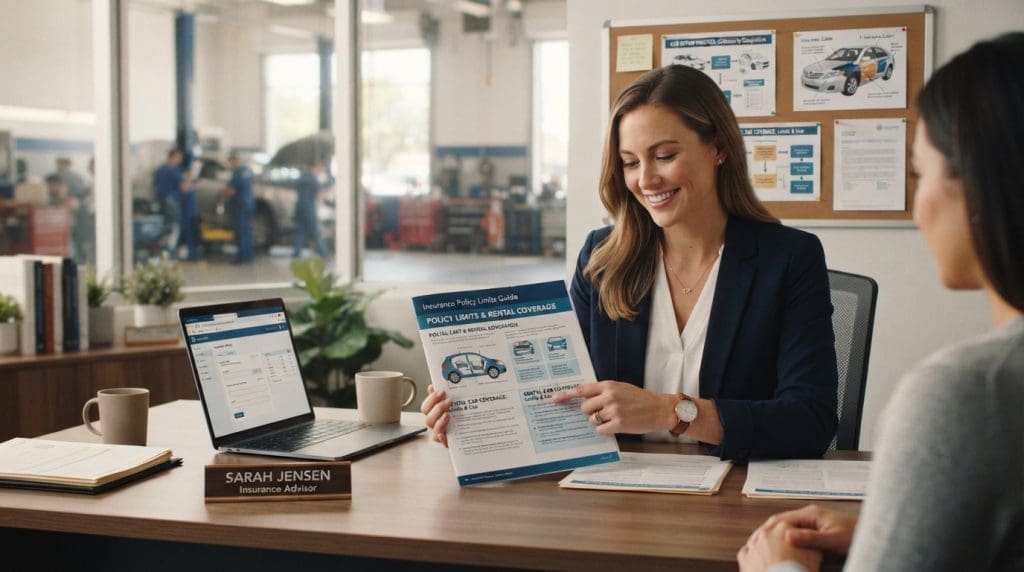
A rental benefit can stop at its dollar cap or day limit even if your vehicle is still being repaired. Three limits can matter: a daily cap, a total cap, and the number of eligible days.
Daily, total, and day-count limits
A policy may set a maximum amount per day, a total amount per claim, and a maximum number of rental days. You need to stay within each limit, not just the daily amount.
For example, a policy with a $50 daily limit and a $1,500 total cap has separate constraints. The daily cap limits each day’s eligible cost, while the total cap limits the full claim benefit.
Progressive’s typical daily limits are $40-$70, with coverage lasting up to 30 or 45 days depending on the state. Those figures are an example, not a promise for another insurer or every state.
Repairs, total losses, and uncovered situations
Ask the insurer to confirm the authorized end point for rental coverage. For a repair, that may relate to the repair timeline; for a total loss, ask how the insurer sets the end date after its decision.
Rental reimbursement generally applies to a covered event that requires repair or replacement of your vehicle. It usually does not pay for a breakdown, routine maintenance, or a vacation rental.
Insurance payment for a rental during repairs depends on applicable coverage and its limits. Policy terms vary by insurer, and coverage added after a crash applies only to future losses.
With the coverage window clear, turn to the rental rate and expenses that could still come out of your pocket.
What Can a Rental Car After Accident Cost?
The cost of a rental car after accident depends on the rate, how long you need it, and the vehicle you choose. Rates vary by location, model, rental duration, and available inventory.
Full-size cars, SUVs, and luxury cars generally cost more than compact cars. Short-term rentals often cost more per day than weekly or monthly rentals, though the best option depends on your plans.
Which rental choices affect the rate?
Compare the total charge, not only the daily rate. The table shows how vehicle class can affect rental costs and the room left under an allowance.
| Vehicle class | Relative rental price | Budget implication |
|---|---|---|
| Compact | Baseline comparator | Compare its rate with the daily allowance |
| Full-size or SUV | Costs more than a compact | May use more of the daily allowance |
| Luxury | Costs more than a compact | More likely to exceed a policy limit |
The available information provides no exact San Antonio rental price. Your quote will depend on the rental company, dates, vehicle, and local inventory.
How to keep your out-of-pocket bill down
Use these checks before you agree to rental expenses:
- Ask whether an accident-related rate is available.
- Compare the total for short-term versus weekly or monthly booking.
- Check the agreement for fuel, security-deposit, and optional-protection charges.
- Keep receipts for any expense you may seek to recover.
Rental reimbursement generally does not pay for fuel, security deposits, or extra rental insurance. If another driver caused the crash, ask that insurer about help without assuming approval is automatic.
What Changes When the Other Driver Is at Fault?

If the other driver appears responsible, you can ask that driver’s insurer to address reasonable rental expenses while it reviews the claim. Liability is not settled just because you made a request.
The at-fault driver’s insurer may cover rental costs if it accepts liability. A claims adjuster investigates the claim, and reimbursement can depend on showing that the rental was necessary and reasonable.
Contact the other driver’s insurer and ask the claims adjuster about rental authorization and direct billing. Confirm which vehicle class and rate the claim will accept before you reserve a car.
You can request a vehicle comparable to your needs, but do not assume an upgrade will be paid. No comparable-class guarantee is established, so get the approved class and rate in writing if possible.
The insurer may still be investigating the car accident when you need transportation. Your own rental reimbursement coverage may be quicker than waiting for the other insurer’s review.
Save receipts if you must pay first. If you arrange a rental before payment is settled, check whether extra protection for the rental itself makes sense.
Should You Buy Extra Protection for a Rental?
A rental reimbursement benefit and a rental company’s damage waiver address different bills. One helps with rental expense after a covered loss to your own vehicle; the other may limit your responsibility for specified damage to the rented vehicle.
A collision damage waiver (CDW) is an optional rental-company agreement, not rental reimbursement or liability protection. Its terms and exclusions depend on the agreement, so it does not offer the same protection in every case.
What a collision damage waiver is for
A CDW may limit what you owe the rental company for certain damage to its vehicle. It does not pay your rental costs while your own vehicle is repaired, and it is not the same as liability coverage.
Read the rental agreement to see what damage the waiver covers and what conditions apply. Do not assume that a waiver covers every type of damage or every way you use the car.
What to check before accepting optional coverage
Compare the rental agreement with your personal auto policy and any card benefits. Existing coverage may not apply to every rental, driver, vehicle, or use.
Check whether your policy or card has limits, deductibles, or exclusions for the rental you plan to drive. Then compare those terms with the CDW before you accept or decline it.
Other add-ons may address liability or personal injuries, rather than damage to the rental car. Review each option separately, and avoid treating one type of insurance cover rental as a substitute for another.
Verify the terms for your own rental and policy, then consider local help for collision repairs.
Conclusion
Before relying on a rental payment, confirm the approved rate and end date with the insurer. Ask which costs the policy will cover, and keep your rental agreement and receipts.
Then arrange collision repairs with a shop you can reach. Hire Miracle Body and Paint Collision Center to fix the collision damage on your vehicle at either San Antonio location.
2 Locations to Serve You
- North West San Antonio, Leon Valley: (210) 680 -1987, 6217 Grissom Rd., San Antonio, TX 78238
- North East San Antonio: (210) 858-3630, 4650 Walzem Rd, San Antonio, TX 78218
Contact Miracle Body and Paint Collision Center to arrange collision repairs at the location that works for you.