Hail Damage Repair in San Antonio: Filing, Fixing, and What It Costs

How to Read Body Shop Reviews Without Getting Fooled

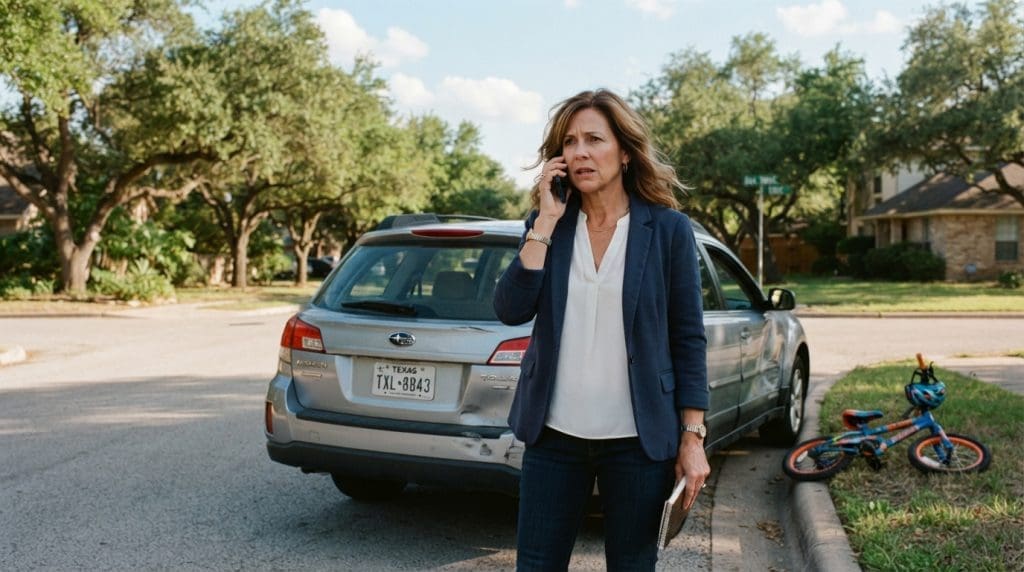
When an accident damages your vehicle, the next steps can feel unclear. You may ask if it is totaled vs repairable, a choice with major financial effects. Insurers study more than damage; they also weigh the financial practicality of repairs.
Insurers call a vehicle a total loss when repairs cost more than its actual cash value. This decision follows math, which can frustrate owners facing strict insurance rules. Knowing these limits helps you manage your claim.
If you face the totaled vs repairable choice in San Antonio, choose a team that understands the process. Miracle Body and Paint Collision Center offers trusted assessments and quality repairs. Contact our team for professional care after a collision.
Key Takeaways
- Insurance companies prioritize financial logic over the extent of physical damage.
- A total loss is declared when repair costs exceed the vehicle’s current market value.
- State-specific regulations often dictate the exact percentage threshold for a total loss.
- Professional collision centers can provide independent assessments to help you navigate valuation disputes.
- Choosing a reputable repair shop like Miracle Body and Paint ensures your vehicle is handled with precision.
Understanding Total Loss and Repairable Damage
Knowing the difference between a total loss and a repairable vehicle helps every car owner. After a crash, insurance terms can feel confusing and hard to follow. This knowledge helps you handle your claim with confidence.
What is Total Loss?
A total loss does not always mean your car is destroyed beyond recognition. It is mainly a financial decision made by your insurance provider. If repairs cost more than a set share of its actual cash value, the insurer calls it a total loss.
This limit varies by state and policy terms. The insurer decides repairs cost too much compared with the car’s current market value. This is a business calculation, not a judgment about the car’s condition.
Defining Repairable Damage
Repairable damage means restoring the vehicle costs much less than its total value. The insurance company approves needed work to make the car safe and usable. Professional collision centers provide accurate estimates that support the repair process.
Your choice often depends on structural damage and cosmetic issues. If the frame stays intact and safety systems work, the car may be repairable. Put safety before looks when deciding whether to repair it.
Key Factors in Damage Assessment
Several factors affect whether a vehicle is totaled vs repairable. Adjusters review its age, parts costs, and labor for special repairs. The actual cash value guides these calculations and keeps the insurer within its financial limits.
This comparison shows how these factors work together during an assessment:
| Factor | Total Loss Scenario | Repairable Scenario |
|---|---|---|
| Repair Cost | Exceeds 70-80% of value | Well below market value |
| Structural Integrity | Compromised frame/chassis | Minor or no frame damage |
| Safety Systems | Airbags/sensors destroyed | Systems remain functional |
| Financial Outcome | Payout of current value | Vehicle is restored to use |
The damage cause, such as collision or comprehensive coverage, also shapes the next steps. Understanding these ideas helps you protect your interests during the claims process.
Evaluating Vehicle Damage
To decide if your vehicle can be repaired, insurers inspect visible and hidden damage. They then choose repairs or a total loss settlement.
The Role of Insurance Adjusters
Adjusters inspect your vehicle and record the damage from the crash. Their report lists each damaged part and the labor needed for repairs.
This report guides the insurer’s financial choice. Accuracy is essential because small errors can misjudge your vehicle’s condition.
Assessing Structural vs. Cosmetic Damage
Adjusters separate cosmetic damage from structural damage. Cosmetic damage can affect panels, paint, trim, or other looks without weakening the car.
In contrast, structural damage affects the frame or chassis and can threaten your safety in another crash. Repairs often cost much more when the car cannot return to factory safety standards.
Importance of Repair Estimates
You do not have to accept an insurer’s first assessment. An independent estimate from a trusted collision center gives you a fair comparison.
Compare an independent quote with the insurer’s total loss appraisal. This shows whether the insurer correctly calculated your vehicle’s actual cash value.
If the insurer’s numbers seem wrong or incomplete, your records can support your claim. Always seek a professional total loss appraisal to ensure the offered actual cash value matches your car’s market worth.
The Total Loss Threshold
State rules called the total loss threshold decide your damaged vehicle’s financial outcome. This measure shows when repair costs exceed the car’s value.
In many states, insurers use this percentage to choose between repairs and a total loss. Knowing these rules helps you prepare for the claim and understand your vehicle’s future.
How States Determine Thresholds
The total loss threshold Texas residents face is unique because Texas sets it at 100%. Repair costs must equal or exceed the vehicle’s actual cash value for a total loss before officials declare it a total loss.
Other states use different methods, including a total loss formula. The insurer adds repair costs to the vehicle’s salvage value. If the sum exceeds the actual cash value, the car is a total loss.
The Financial Impact on You
After a total loss, the insurer usually pays the car’s market value minus your deductible. This payment must cover your remaining loan balance. That can worry you if you are “underwater” on your auto loan.
You may need transportation while waiting for the settlement check. Some owners keep the salvage, but this can complicate the title process. It may also limit your future insurance options.
Examples of Thresholds Across States
State laws vary widely, creating complex rules for vehicle owners nationwide. The table below shows how states use these financial benchmarks.
| State | Threshold Type | Percentage |
|---|---|---|
| Texas | Total Loss Threshold | 100% |
| Alabama | Total Loss Threshold | 75% |
| Florida | Total Loss Threshold | 80% |
| California | Total Loss Formula | Variable |
Repairable Vehicles: What to Look For
Understanding vehicle damage helps when you choose totaled vs repairable. An insurance adjuster gives an early estimate, but you should examine the full situation. First, separate cosmetic problems from structural damage to protect your investment.
Common Repairable Issues
Many vehicles remain safe to drive after exterior damage. Common repairable items include dented body panels, cracked bumpers, and broken lighting assemblies. These modular parts can be replaced without harming core safety systems.
Suspension parts and minor frame adjustments may also be repairable. A professional collision center can restore these parts to factory specifications. Visible damage does not always mean the car is a total loss.
Cost vs. Value Analysis
When comparing totaled vs repairable, look beyond the first repair estimate. Hidden damage, such as internal sensor failures or electrical problems, can raise the final bill. Consider long-term vehicle reliability, not only the immediate cost of parts and labor.
Compare repair costs with your car’s current market value. If costs stay well below the threshold, restoring the vehicle may be the most economical choice. Also consider possible future maintenance before making your final decision.
When to Consider Repairing
Consider repairs when the structure remains sound and safety systems work fully. A professional assessment can show whether damage affects only replaceable parts. Repair may be best if you feel strong emotional or financial attachment to your vehicle.
| Factor | Repairable Vehicle | Total Loss |
|---|---|---|
| Structural Damage | Minimal or Correctable | Severe/Compromised |
| Repair Cost | Below Threshold | Exceeds Value |
| Safety Systems | Fully Restorable | Irreparable |
| Vehicle Value | Maintained | Salvage Only |
Ultimately, the totaled vs repairable decision depends on a thorough inspection. A trusted collision center can help you make an informed choice. Prioritizing safety and quality keeps your vehicle reliable transportation for years.
The Decision-Making Process
Deciding whether to repair your vehicle or accept a total loss settlement involves several complex financial and technical factors. Insurers follow strict guidelines to protect their finances and obey state regulations.
Factors Insurers Consider
Adjusters compare the actual cash value of your car with estimated repair costs. If repair costs pass a set share of its value, insurers will likely declare a total loss.
They also consider salvage value, the amount they can recover by selling the damaged vehicle. For example, the total loss threshold Texas laws set percentages that decide when a vehicle must receive a salvage brand.
Customer Preferences and Input
You may strongly want to keep your vehicle, even if the insurer calls it a total loss. You can often negotiate to keep the salvage, but policy terms and state laws have final authority.
If you disagree with the insurer’s first assessment, you may provide your own evidence. Clear communication about your goals may influence the outcome, especially with a long-standing insurer relationship.
The Role of Expert Opinions
Never rely only on the insurance company’s estimate. An independent expert’s professional total loss appraisal may reveal hidden structural damage the first adjuster missed.
A qualified collision repair shop can give a detailed list of needed repairs. This documentation matters when challenging an unfair valuation or proving your vehicle is safe to return to the road.
| Decision Factor | Insurance Perspective | Owner Perspective |
|---|---|---|
| Repair Cost | Focuses on total expense | Focuses on vehicle safety |
| Market Value | Uses standardized data | Considers personal attachment |
| Salvage Value | Seeks to recover losses | May want to keep the car |
| Expert Input | Internal adjuster reports | Independent repair estimates |
The Part of Salvage Titles
Deciding whether to keep a vehicle after an insurance payout requires knowing what a salvage title means. When an insurer calls a car a total loss, the state motor vehicle department updates its title status. This permanent brand stays with the vehicle for its entire life.
Understanding Salvage vs. Clean Titles
A clean title shows that an insurance company has never called the vehicle a total loss. By contrast, a salvage title is issued when repair costs exceed a set percentage of the vehicle’s cash value. This label warns future buyers and lenders about past structural or mechanical damage.
Implications for Vehicle Value
Expect a major drop in market value once a vehicle receives this brand. Most dealerships refuse cars with a salvage title as trade-ins, and private buyers often demand a steep discount. Comprehensive insurance may also be hard to get because many providers avoid vehicles with major damage histories.
What to Do with a Salvaged Vehicle
If you keep it, you must follow strict state rules enforced by the Texas Department of Motor Vehicles. You will likely need extensive repairs and pass a rigorous safety inspection before the state issues a rebuilt title.
Before committing, ask whether long-term maintenance costs and safety risks are worth the investment. Documentation is vital throughout this process to help you follow all local laws.
Your Rights as a Vehicle Owner

An insurance claim after a crash can feel overwhelming. As a policyholder, you have rights, including a fair vehicle assessment and a clear settlement explanation. Taking an active role helps protect your interests during the claim.
Understanding Your Options
After major damage, your insurer decides whether to repair the vehicle or call it a total loss. In San Antonio, it follows total loss threshold Texas laws when repair costs exceed the vehicle’s actual cash value. You can ask how the insurer reached this decision.
If the vehicle is a total loss, you may choose to keep it, but it may receive a salvage title. This title can make the vehicle hard to insure or sell later. Before deciding, compare repair costs with the car’s lower value.
Negotiating With Your Insurance Company
You do not have to accept your insurer’s first settlement offer. If the value seems too low, request a total loss appraisal to challenge it. Proof of your vehicle’s condition before the crash may help secure a better offer.
Ask the adjuster for comparable vehicles in your area. If they differ in features, mileage, or condition, share your own research. Persistence and professionalism are your best tools in these talks.
The Importance of Documentation
Keep a complete record of your vehicle’s history for a strong claim. These records prove your car’s value and maintenance history. Organize your files right after the incident so nothing gets missed.
Gather these items to build a strong case:
- Detailed photographs of the damage from multiple angles.
- A copy of the official police report.
- All recent maintenance and repair receipts.
- Records of any major upgrades or new tires.
- A log of all correspondence with your insurance adjuster.
Organized documents give you evidence to support your position. Not every dispute brings a higher settlement, but a complete file improves your chance of a fair result.
Finding the Right Repair Shop
Choosing the right repair facility matters after an accident. Choose a partner who understands modern vehicles and puts your safety first.
When searching for a collision repair shop, look for clear service and honest communication. A quality facility gives clear estimates, explains safety steps, and shares warranty details.
What to Look for in a Collision Center
Ask about the shop’s experience with your vehicle’s make and model. A trusted center explains its repair plan and fixes visible and hidden damage.
Clear communication matters during the vehicle damage repair process. Ask questions and request regular updates about your car. Before choosing a provider, confirm that its technicians hold industry certifications.
Miracle Body and Paint Collision Center Options
For expert San Antonio collision repair, Miracle Body and Paint Collision Center is a leading choice. Its specialists work to return your vehicle to its pre-accident condition.
Two locations serve the San Antonio area, making professional help easier to reach. The team manages repair details, so you can focus on returning safely to the road.
Local Reputation and Reviews
Before deciding, research each shop’s local reputation. Online reviews and past customer testimonials reveal the quality of its San Antonio collision repair work.
A shop with many satisfied clients may provide the service you deserve. Choosing a facility known for excellent vehicle damage repair protects your investment and supports years of reliable driving.
Why Choose Miracle Body and Paint Collision Center
After a collision, you need a trusted partner for your vehicle. For high-quality auto body repair, choose a shop that values technical precision and your peace of mind.
Expertise in Collision Repair
At Miracle Body and Paint Collision Center, our technicians have specialized training for complex structural damage. We use advanced tools to return your vehicle to factory specifications. Whether you need minor paint correction or extensive frame work, our team delivers exceptional results every time.
Customer Service Commitment
Clear communication builds a better repair experience. Our staff gives detailed estimates, so you know what your vehicle needs before work begins. With our collision repair San Antonio services, you gain transparent, professional guidance through the entire insurance claim process.
Two Convenient Locations for You
Convenience matters when your vehicle has damage. We operate two accessible facilities across the region to serve our community. Together, they provide efficient auto body repair for drivers in Northwest, Northeast, and surrounding San Antonio neighborhoods. Your satisfaction remains our top priority at every location.
The Repair Process Explained
At Miracle Body and Paint Collision Center, we believe you deserve clear updates through the entire collision repair process. Understanding how your car moves from damage to road-ready condition can ease accident worries.
Initial Inspection and Estimate
Every vehicle repair starts with a careful damage check. Our technicians record each dent, scratch, and structural concern. This creates an accurate body shop estimate for you and your insurance provider.
An initial estimate may change once we begin disassembly. Hidden damage often stays behind bumpers or panels until we take the vehicle apart. We tell you right away if we find more needs during this stage.
Repair Planning and Execution
Once the work scope is final, our team begins planning and repairs. This stage includes ordering high-quality parts and making exact structural repairs. We restore your vehicle to its original factory specifications.
Our skilled technicians manage frame alignment and complex paint refinishing. We use advanced technology so every panel fits perfectly. The paint color also matches your vehicle’s original finish seamlessly.
Quality Assurance Checks
Before returning your keys, your car must pass a rigorous quality assurance check. We confirm all safety-related components work correctly. We also check that no warning lights remain on the dashboard.
Our team performs a final test drive to confirm the vehicle repair meets high standards for drivability and comfort. We take pride in making sure your car is safe, reliable, and looks as good as new before leaving our facility.
After Repair Services
Finishing repairs is a major milestone. Stay alert after leaving the shop, and watch how your vehicle performs. These steps support safety and protect your investment.
Post-Repair Inspections
A thorough post-repair inspection checks whether all work meets safety standards. Check that panels align and no warning lights appear on your dashboard. Contact Miracle Body and Paint Collision Center immediately about unusual noises or handling issues.
Warranty Considerations
Ask your technician about the collision repair warranty for parts and labor. A reputable shop stands behind its work, helping repairs last. Keep all documents safe for future claims or vehicle sales.
Preparing for Future Incidents
Know your vehicle’s history, especially after a total loss. A salvage title can raise insurance premiums and lower resale value. Keep detailed service records to prepare for future challenges.
| Action Item | Importance | Recommended Frequency |
|---|---|---|
| Post-repair inspection | High | Immediately after pickup |
| Warranty review | Medium | Upon receiving final invoice |
| Title status check | High | Before selling or trading |
| Maintenance logs | Medium | Ongoing |
Whether your vehicle carries a salvage title or was restored to factory specifications, consistent care matters. Contact our team about your collision repair warranty or schedule a post-repair inspection. We can help you face the road ahead with confidence.
Staying Informed About Insurance Claims
After an accident, you deserve confidence when speaking with your insurance provider. The insurance claim process may feel overwhelming, but knowledge can improve your outcome.
Understanding Your Policy
Your policy is a legal contract that explains how your insurer handles your situation. Review your collision coverage and comprehensive coverage before an accident.
These sections show what your insurer pays and what you must pay. Always check your deductible amounts to prevent surprise out-of-pocket costs at a repair shop.
Common Misconceptions
Many drivers think serious damage always means a total loss. In fact, the choice between totaled vs repairable depends on state thresholds and your vehicle’s current market value.
Another common myth concerns vehicle value. Insurers often use proprietary databases to set its worth, which may differ from your expectations or loan balances.
Tips for Navigating Claims
Protect your interests by recording every conversation and keeping copies of all repair estimates. If an insurer’s assessment seems unclear, ask for a detailed breakdown of its calculations.
For expert guidance, consult the professionals at Miracle Body and Paint Collision Center. We can explain repair needs and help ensure your vehicle gets the quality care it deserves throughout the insurance claim process.
You have the right to choose your repair facility. Stay proactive and informed as you manage the totaled vs repairable decision-making process with clarity and peace of mind.
The Importance of Vehicle Maintenance
Regular vehicle care helps prevent costly repairs. Follow your service schedule to keep your car safe and reliable on every San Antonio trip.
Preventing Future Damage
Effective vehicle maintenance helps prevent sudden mechanical failures. Fixing minor wear early keeps small problems from becoming major safety hazards.
This approach supports collision prevention. Well-maintained brakes and properly inflated tires can separate a close call from a serious crash.
Regular Inspections and Check-ups
Give your car routine check-ups to track its overall health. Check fluid levels, battery life, and suspension parts before problems leave you stranded.
Consistent vehicle maintenance also creates a clear service record for your insurance provider. Proof of regular service can simplify claims after an unfortunate incident.
When to Seek Professional Advice
Sometimes, your car needs more than an oil change. Unusual noises, dashboard warning lights, or handling changes call for a professional auto inspection.
San Antonio drivers should contact Miracle Body and Paint Collision Center if they suspect hidden structural or safety-system damage. Our team can find issues that untrained eyes may miss.
| Maintenance Task | Frequency | Risk of Neglect |
|---|---|---|
| Brake System Check | Every 6,000 miles | Increased stopping distance |
| Tire Alignment | Every 10,000 miles | Uneven wear and poor handling |
| Fluid Inspection | Every 3,000 miles | Engine overheating or failure |
| Structural Assessment | After any impact | Compromised safety integrity |
Do not wait for a breakdown to protect your safety. Schedule a professional auto inspection today to keep your vehicle performing well and support long-term collision prevention.
Contact Miracle Body and Paint Collision Center
Insurance claims can feel complex. Insurers compare repair costs, market value, and safety standards before choosing the best path for your car.
When you need expert guidance, Miracle Body and Paint Collision Center offers professional support. Our team provides high-quality San Antonio collision repair to restore your vehicle to peak condition.
Locations and Contact Information
We operate two convenient facilities to serve your needs. Visit North West San Antonio’s Leon Valley location: 6217 Grissom Rd., San Antonio, TX 78238; call (210) 680-1987. Our North East San Antonio shop is at 4650 Walzem Rd., San Antonio, TX 78218; call (210) 858-3630.
Schedule an Appointment Today
Do not let collision damage repair concerns overwhelm you. Contact our skilled technicians to discuss your situation and receive an accurate assessment. We can help you navigate the repair process with confidence.
Let Us Help You with Your Vehicle Repair Needs
Hire Miracle Body and Paint Collision Center so your car receives top-tier care. Our commitment to excellence makes us a trusted choice for San Antonio collision repair. We look forward to getting you safely back on the road.