How to Choose the Right Auto Body Repair Shop in San Antonio
Signs Your Vehicle May Need Frame Repair After an Accident
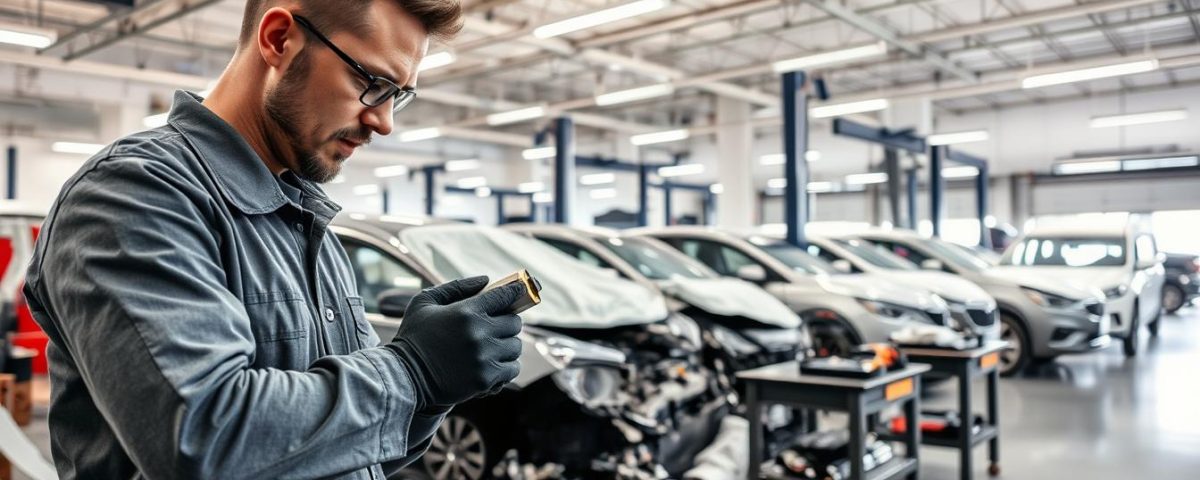
We walk drivers through a clear, step-by-step process so they know what to expect after an accident. Our goal was to show the full timeline — from estimate and intake to body work, paint, calibrations, and delivery readiness. We explained how modern shops do more than fix dents: we perform scans, calibrations, and post-work verification to make sure your car drives and protects as intended.
At Miracle Body and Paint Collision Center we kept communication simple. We offered free estimates, status updates, and documented every decision. The typical flow included intake/pre-scan, disassembly, repair planning and parts ordering, body work, paint and refinish, reassembly, calibrations, quality checks, and detailing before delivery.
Service time varied by damage severity, parts availability, and insurer approvals. We minimized surprises by sharing timelines and guiding customers in plain language. We serve drivers in Leon Valley and on Walzem Rd. Call us at (210) 555-0123 or (210) 555-0456 to start the process and get your vehicle back on the road.
Key Takeaways
- We follow a step-by-step timeline to restore your car safely.
- Modern work includes scans, calibrations, and verification beyond panel work.
- We offer free estimates and clear status updates to reduce surprises.
- Time to finish depends on damage, part wait, and insurer steps.
- Miracle Body and Paint Collision Center focuses on safety, fit, and finish.
Why Understanding the Collision Repair Process Matters After a Crash
We know a clear plan gives customers calm and control after an accident. When we explain each step, the overall experience is smoother and less stressful. That clarity helps you make timely choices about parts, approvals, and pickup.
How knowing the steps helps you avoid delays and surprises
We outline common timeline drivers so a short timeline feels realistic. Insurance approvals, parts shipping, and hidden damage found during teardown often change the schedule. A precise estimate and a documented plan reduce confusion when supplements are needed.
Early questions save you time. Ask about repair steps, expected dates, parts type, and any necessary scans or calibrations. We set communication expectations up front so the customer experience stays predictable even if the scope changes.
We also explain payment paths. Insurance pay and customer pay affect approvals and scheduling differently. Our goal was fewer surprises: we documented damage, explained next steps, and updated customers as the job progressed.
- Reduced stress through clear communication
- Fewer scheduling surprises from supplements
- Questions to ask early to protect your time and budget
Why Drivers Choose Miracle Body and Paint Collision Center in San Antonio
Many choose Miracle Body and Paint for honest guidance, visible craftsmanship, and steady updates through every step. We built our reputation on safety-first work and clear communication so customers feel informed and confident.
We focus on honesty, safety, and workmanship you can see
Our staff and team approach each job with integrity. We explain what is necessary, what is optional, and what keeps a vehicle safe. That means consistent panel alignment, paint match, clean edges, and fitment that holds up over time.
We keep communication clear with timely status updates
Our customer service includes text and email updates, photos from estimators, and responsive staff who answer questions fast. We treat every person like family and take time to walk through options so there are no surprises.
- Organized workflow for fast parts ordering and insurer coordination
- Multiple quality checks by our team before delivery
- High customer satisfaction and many who would definitely recommend our shop
Getting Started With a Free Estimate at Our Auto Body Shop
Before any work begins, we create a detailed estimate so everyone knows the next steps. Our free estimate process gives you a clear plan and a timeline for parts, inspections, and approvals.
We offer in-person estimates and photo estimates. Photos work well for minor dents and obvious paint damage. We ask for an in-person inspection when structural areas, sensors, or hidden components may be affected.
At intake we collect contact info and vehicle details, including the license plate and model year. We also note whether the job is customer pay or insurance pay.
For insurance jobs we request the insurance provider name plus claim and policy numbers when available. That helps us coordinate with the carrier and speed approvals.
We photograph visible damage, document impact points, gaps, and any safety-related concerns like lights or sensors. An estimate is the starting point; the final scope can change after disassembly reveals hidden issues.
Once you authorize work we confirm a preferred date and time and explain the next steps. This upfront clarity helps our team, your insurer, and you stay on the same page.
Insurance Claims, Customer Pay, and How We Simplify the Paperwork
We streamline the paperwork for both insurer claims and out-of-pocket jobs so the administrative side does not slow the work. Our goal is to keep you informed and in control of decisions.
Working with all insurance companies
We work with all major insurance providers and handle the back-and-forth documentation on your behalf. We submit photos, notes, and updated estimates so approvals move faster and start dates are clearer.
What to expect from approvals and supplements
Adjusters review the initial estimate and our evidence. When teardown reveals hidden damage we document supplements plainly and explain why additional items are needed.
We take care of coordination tasks like sharing photos, calling adjusters, and sending revised scopes. That reduces calls for you and keeps the service timeline steady.
- Customer pay vs. insurance: we explain each path and show line-item costs.
- Approvals: what the adjuster saw and how authorization impacted start dates.
- Supplements: added items after teardown and how they affect time.
We keep transparency front and center. No surprises — you approve changes before we proceed. That way customers know what is being fixed and why.
Vehicle Intake, Safety Checks, and Pre-Repair Scans
On intake we captured the vehicle’s VIN, mileage, and visible damage in photos. We logged contact details and the initial condition to create a clear record for the rest of the process.
Why a pre-scan matters on modern cars
We ran a diagnostic pre-scan to read stored codes and check ADAS modules before any work began. That step revealed hidden faults and helped us avoid missed items later in the job.
During the initial check we inspected for fluid leaks, lighting faults, wheel and tire damage, and obvious safety concerns. We also noted warning lights and sensor issues that could affect airbag or braking systems.
How intake shaped the repair plan
Pre-scan results guided parts selection and the scope of work. When a module showed errors, we documented it and added the fix to the plan so approvals and timing stayed accurate.
- Handled with care: protective coverings, photographed mileage, and secure vehicle storage.
- Clear documentation: photos and notes reduced disputes and sped communications with insurers.
- Customer confidence: an early, complete picture cut delays and reduced rework.
At Miracle Body and Paint Collision Center we treated each car carefully to protect owner property and keep the process transparent from day one.
Disassembly and Full Damage Discovery
We take vehicles apart methodically so we can see damage hidden under panels and confirm the full scope of necessary work. This step ensures our team locates anything the initial estimate missed and plans a safe, complete restoration.
How we uncover hidden structural and component damage
During teardown we inspect reinforcements, brackets, mounting points, and sensor mounts. Common finds include bent brackets, damaged reinforcements, broken mounts, and sensor faults that affect safety systems.
These discoveries change the body repair plan and the parts list. When safety components are involved, we treat fixes as essential—never optional cosmetic work.
What happens if we find additional issues after teardown
If we find extra damage, we document it with photos and update the estimate quickly. We explain options, revised timeframes, and any cost changes so you stay informed.
- We submit supplements to insurers when needed and explain why added time may be required.
- We avoid shortcuts to ensure long-term fit, finish, and safety.
- We communicate each change so there are no surprise repairs or unexplained charges.
Our process focuses on transparency: accurate documentation, clear approvals, and visible progress so the final repairs restore form and function.
Repair Planning and Ordering the Right Parts for Your Vehicle
Our team builds a clear repair roadmap that ties each damaged area to required parts and steps.
We document the plan after teardown, listing exact components and the method we will use. Choosing the right parts keeps safety, fit, and finish on track.
Choosing parts that match manufacturer requirements when available
We prefer manufacturer-certified parts when they suit the vehicle and insurer rules. When OEM is not required, we discuss aftermarket and recycled options so you can decide.
How parts availability affects repair time
Parts lead times often change the scheduled time for work. We notify you immediately about delays and offer alternatives when possible.
- Planned scope: each damaged area ties to a part and method.
- Part types: OEM, aftermarket, recycled — chosen for safety and fit.
- Order tracking: we verify condition on arrival and stage parts to keep service moving.
Clear parts planning reduces rework and yields better auto body repair outcomes. Our shop keeps timelines transparent so you know what to expect.
Body Repair and Structural Work That Restores Strength and Fit
Restoring a vehicle’s frame and attachments to factory specs is the backbone of quality body work. We treat structural accuracy as more than cosmetic work — it affects safety, alignment, and how parts fit for years to come.
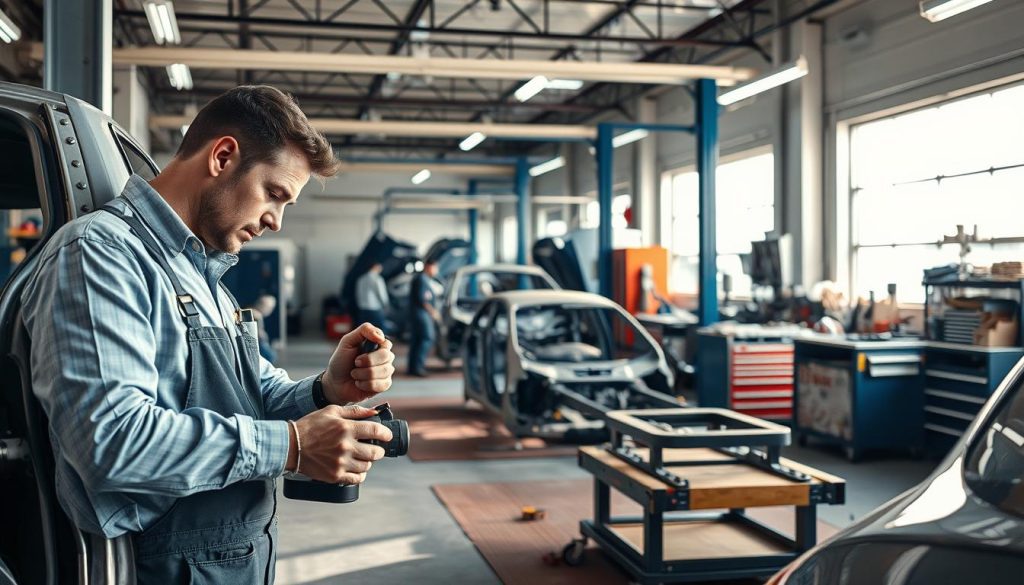
Frame and unibody measuring and correction
We measure chassis dimensions and correct bends using industry-standard benches and fixtures. Our goal is to return the unibody to manufacturer tolerances so steering and suspension behave properly.
Panel repair and replacement for doors, fenders, and quarter panels
We decide whether to repair or replace based on metal stretch, creases, and mounting damage. Proper attachment points and gap alignment prevent wind noise and water leaks.
Bumper work, absorbers, and mounting components
Bumper service includes assessing impact absorbers, reinforcements, brackets, and sensor mounts. We replace damaged parts when needed to keep safety systems working and ensure a true fit.
Special considerations for aluminum
Aluminum requires dedicated tools, isolation practices, and trained technicians. We avoid contamination and follow correct procedures to keep material strength intact.
- Why it matters: correct structure improves safety and long-term value.
- What we deliver: accurate gaps, secure mounts, and restored function.
- Scope: auto body repair, bumper and panel work, and specialized aluminum service.
Paint, Refinish, and Color Match That Looks Factory-Correct
Achieving a factory look begins long before the first spray gun touches a panel. We focus on prep, primer choice, and blending so the final paint integrates with the rest of the car.
Surface prep, primers, and blending for seamless results
We clean, sand, and feather-edge damaged areas to create a stable base. Primer selection follows the substrate so adhesion and topcoat hold up over time.
Blending is measured to match adjacent panels under different angles and light. That step makes the body finish look continuous across the car.
Modern paint systems such as waterborne paints
We use modern waterborne paint systems when appropriate for color accuracy and environmental compliance. These systems help us achieve consistent tone and gloss while meeting service standards.
Curing, finishing, and final polish
After paint we cure, de-nib, and polish to match texture and shine. We protect trim, glass, and edges during spraying to prevent overspray and ensure careful reassembly.
Before we reinstall parts we verify paint quality so any needed touch-ups happen early and avoid late rework in the collision repair process.
Reassembly, Calibrations, and Post-Repair Scans
Before we hand keys back, we reassemble and test every system to confirm the vehicle performs as intended. This final phase ties structural work and paint to real-world function so you leave with confidence.
We perform a controlled reassembly of trims, lights, bumpers, mirrors, and interior parts. Fasteners, alignment points, and seals are checked to prevent rattles, leaks, or loose panels. We verify sensor mounts and wiring before moving to diagnostics.
ADAS calibrations made simple
Advanced driver aids like lane assist, automatic braking, and blind-spot monitoring need correct alignment after component replacement or frame work. We explain calibrations plainly and run factory-level procedures so systems read accurately.
Post-scan verification and diagnostics
After calibrations we run a full scan to clear codes and confirm modules report normally. These post-repair checks are part of our standard service, not an optional add-on.
- Reassembly done to factory fit and torque specs
- Sensor mounts, wiring, and seals inspected
- Calibrations and scans to confirm driving aids work
Our goal was to restore both appearance and function so the vehicle returns to safe, road-ready condition.
Quality Assurance and Road-Ready Verification
We follow a clear final checklist to confirm each vehicle meets our standards before release. This step ties fit, finish, and function together so the car is safe and ready for the road.
Fit, finish, and function checks
We check panel gaps, door and trunk alignment, and bumper-to-body transitions. We test door closing effort and flushness so fit looks and feels right.
For finish we inspect paint match under varied light, clearcoat uniformity, and texture consistency. Any dust nibs or minor imperfections are corrected before handoff.
Function checks include lights, sensors, windows, locks, wipers, and warning indicators. We verify any job-specific systems so nothing is missed.
Final verification and accountability
Our road-ready review confirms the vehicle is safe to drive and that the planned work was completed. We document each item on the checklist so customers understand what we inspected and why.
Good customer service means catching issues early. We take responsibility, communicate findings, and sign off only when the vehicle meets our quality standard at the collision center.
Detailing, Final Walkthrough, and Delivery Day Expectations
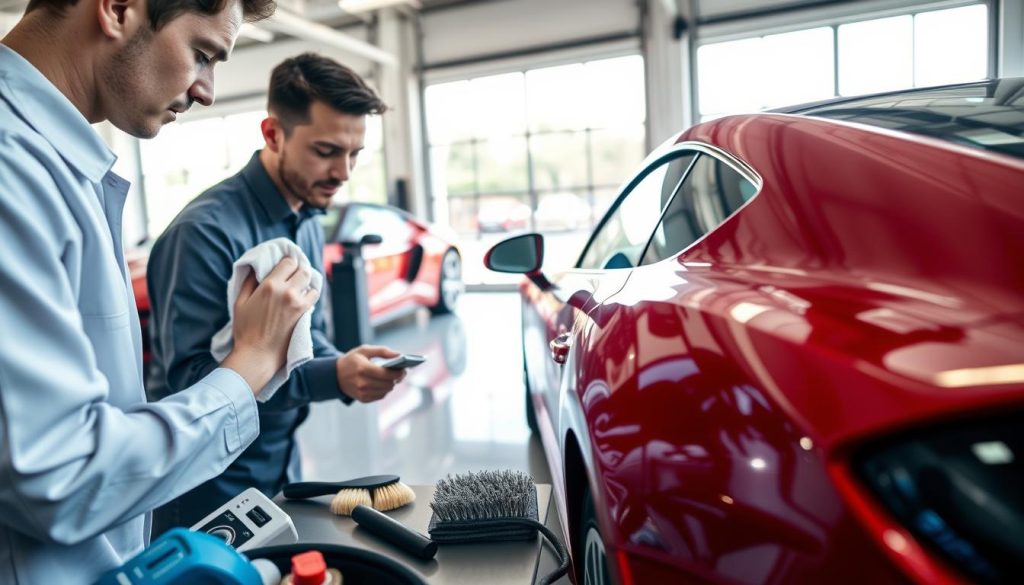
Delivery day is when we tie together quality checks, cleaning, and clear handoff steps so you leave confident. We prepare your vehicle after final verification so the handoff is efficient and transparent.
What we review with you at pickup
At pickup we walk you through what was repaired, which parts were replaced, and any scans or calibrations we performed.
We show before-and-after photos, the final checklist, and answer questions about the work or warranties. We encourage customers to inspect paint, gaps, and electronics with us present.
Care tips for fresh paint and repaired panels
Simple care steps help protect new finishes. Wait 7–14 days before washing to allow clearcoat cure. Use mild soap, a soft wash mitt, and avoid harsh chemicals that can dull new paint.
- Keep the car out of direct sun when possible for the first week.
- Avoid automated brushes for the first month.
- Call our customer service if you notice imperfections; we follow up quickly and document any post-delivery concerns.
Our goal was to return your car clean, presentable, and road-ready so the overall customer experience matched the quality of our service.
More Repair Services We Handle Beyond Typical Collision Damage
Our shop offers targeted work for hail, dings, and cosmetic fixes that keep cars looking like new. We handle a broad menu of repair services so not every visit starts with a major claim.
Hail and paintless dent options
Hail damage often responds well to paintless dent repair when the paint is intact. We evaluate metal stretch and finish, then recommend either dent removal or a traditional refinish.
Auto glass and windshield work
We coordinate auto glass repair and windshield repairs & replacement when visibility or ADAS cameras are affected. That keeps safety systems functioning and shortens total service time.
Paint, bumpers, and aluminum work
For paint scratch repair, bumper repair, fender repair, and spot blends we use matching systems for a factory look. We also offer aluminum repair capability for makes that require it.
- Paintless dent repair and dent repair options
- Auto paint repair services and spot refinishes
- Bumper, fender, and windshield services coordinated in-house
Contact our shop for an estimate and guidance on the best path for your vehicle. We’ll explain options, timeframes, and costs clearly so you can decide with confidence.
Conclusion
We closed the guide by highlighting how a disciplined process produces predictably safe, showroom-quality results. We recapped the full journey: estimate, intake, teardown, planning, structural and body work, paint, reassembly, scans and calibrations, QA, and delivery.
A quality center protects both appearance and function so your car and vehicle systems perform correctly when you get back on the road. We reduced delays by documenting damage, communicating changes, and keeping customers informed throughout the process.
Hire Miracle Body and Paint Collision Center. Our team is ready to take care of your car, whether insurance-funded or customer pay. 2 Locations to Serve You: North West San Antonio – Leon Valley: (210) 680-1987, 6217 Grissom Rd., San Antonio, TX 78238. North East San Antonio: (210) 858-3630, 4650 Walzem Rd, San Antonio, TX 78218.