Why Professional Auto Paint Repair Matters More Than You Think
Paintless Dent Repair vs Traditional Dent Repair: What’s Best for Your Car
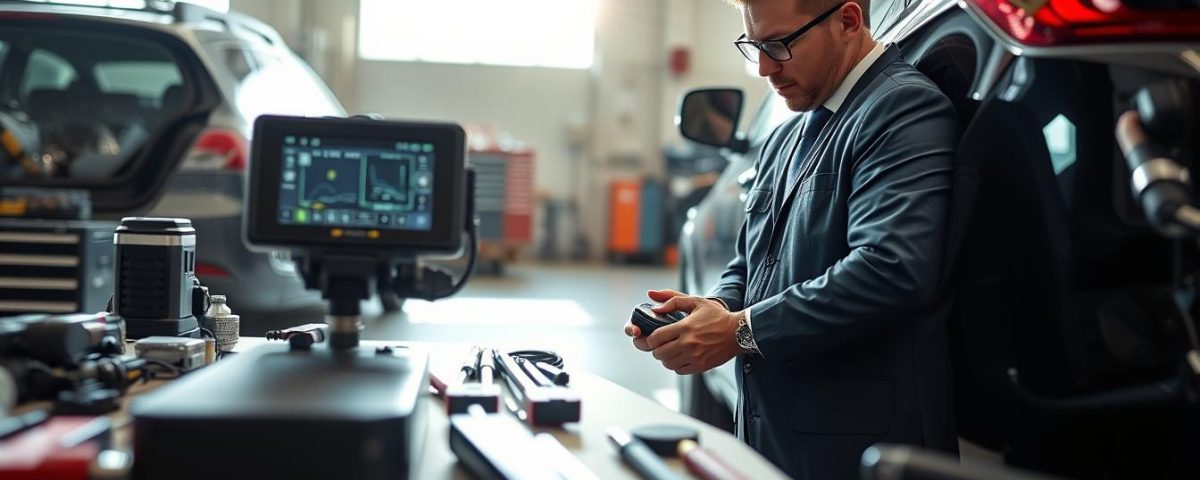
Modern driving is a partnership between us and advanced systems that watch the road. When those systems shift, timing, direction, or range can change. Small misalignment creates real risk.
We are Miracle Body and Paint Collision Center, your local collision repair partner. We guide drivers through steps after a wreck and restore measured, documented performance.
After many impacts—even minor ones—sensors and mounts can move enough to need precise calibration. Our team treats this work as safety-critical, not cosmetic. We ensure each vehicle sensor angle is returned to the maker’s specs and test systems until they read the road correctly.
On this page we explain what triggers recalibration, which features most often lose alignment, and how a professional process verifies results. At the end, we invite you to hire us to restore your vehicle and your peace of mind.
Key Takeaways
- Post-impact checks protect systems that sense and react to hazards.
- Even minor impacts can shift sensors enough to affect performance.
- Proper calibration is a measured, documented step in quality repair.
- We follow manufacturer steps to return vehicle systems to spec.
- Miracle Body and Paint Collision Center helps San Antonio drivers restore safety.
What ADAS Is and Why Calibration Protects Us on Today’s Roads
Automotive safety today is built on networks of sensors, cameras, and smart control units. In plain terms, ADAS refers to the suite of systems that warn, correct, or act to help avoid crashes and keep lane position and following distances safe for the driver.
How cameras, radar, and sensors power vehicle systems
Multiple sensors and cameras feed real-time data to central control modules. Radar measures distance and speed while cameras read lanes, signs, and obstacles.
Small shifts in a mounting point change what the system “sees.” Windshields, bumpers, and mirror housings are common sensor locations. Each placement affects detection range and angle and thus the function of the technology.
What can happen when a system is even slightly out of alignment
Even an inch of error can produce early, late, or false alerts. That loss of accuracy shows as inconsistent warnings, unexpected braking cues, or dashboard alerts after a repair.
We treat re-checks as a measured procedure performed to manufacturer specs so the driver can trust the systems again. One impact can affect several features at once, so we verify each function before returning the vehicle.
Which ADAS Features Are Commonly Affected After a Wreck
After a collision, several driver-assist functions can lose accuracy when mounts and optics shift. Many of these features share the same sensors and cameras, so one impact may affect multiple systems at once.
Lane Departure Warning and Lane Keep Assist
Lane departure warning and lane keep assist rely on a forward-facing camera to read lane markings. A small change in camera aim can cause late or inconsistent corrections.
Adaptive Cruise Control and Forward Distance Sensing
Adaptive cruise control uses radar or camera data for following distance. Misalignment shifts detection range and can make cruise control react too early or too late.
Automatic Emergency Braking and Forward Collision Warning
Automatic emergency braking and forward collision warning need precise timing to detect hazards. We verify object detection so these systems warn and act reliably.
Blind Spot Monitoring and Rear Cross Traffic Alert
Side and rear sensors can be moved by bumper work. That can trigger false alerts or miss nearby vehicles during lane changes.
Parking Assist, Rear Cameras, and Traffic Sign Recognition
Low-speed maneuvers and sign reading depend on proper camera position. Successful repair includes both physical restoration and verified system performance.
What Knocks ADAS Out of Calibration After a Collision
A small shift in a mounting point can change what a vehicle’s safety systems report about the road. We see several common causes that force recalibration after any repair or impact.
Minor impacts and hidden movement
Low-speed hits can bend brackets behind a bumper cover. That hidden deformation moves a sensor and alters aim without clear exterior damage.
Bumper repairs and replacement work
Front and rear bumpers often house radar and proximity sensors. Any bumper replacement or repair must restore exact mounting and prompt recalibration.
Alignment, suspension, steering, and ride height
Wheel alignment, suspension or steering work changes the vehicle reference plane. Lifting or lowering a vehicle shifts detection angles and affects system range.
Windshield replacement and road shocks
Windshield replacement can reposition windshield-mounted cameras near the mirror. Hard pothole or curb hits also alter geometry and cause odd warnings for drivers.
If a repair or event changes angle, position, or geometry, calibration is the safety step that confirms correct operation.
ADAS Calibration San Antonio: When We Recommend Recalibration
Even when body work looks perfect, unseen shifts can change how a vehicle detects lanes and hazards.
We recommend recalibration after any body or structural repair that affects mounts or geometry. Complete the repair first so final alignment and brackets are set before we begin adjustments.
After windshield replacement or any repositioning near the mirror mount, the forward-facing camera may need checks. Small changes at the glass interface can alter lane and collision-warning accuracy.
When alignment or suspension work changes vehicle geometry, sensors and cameras see the road differently. Lifting, lowering, or steering repairs often require a follow-up to restore proper function.
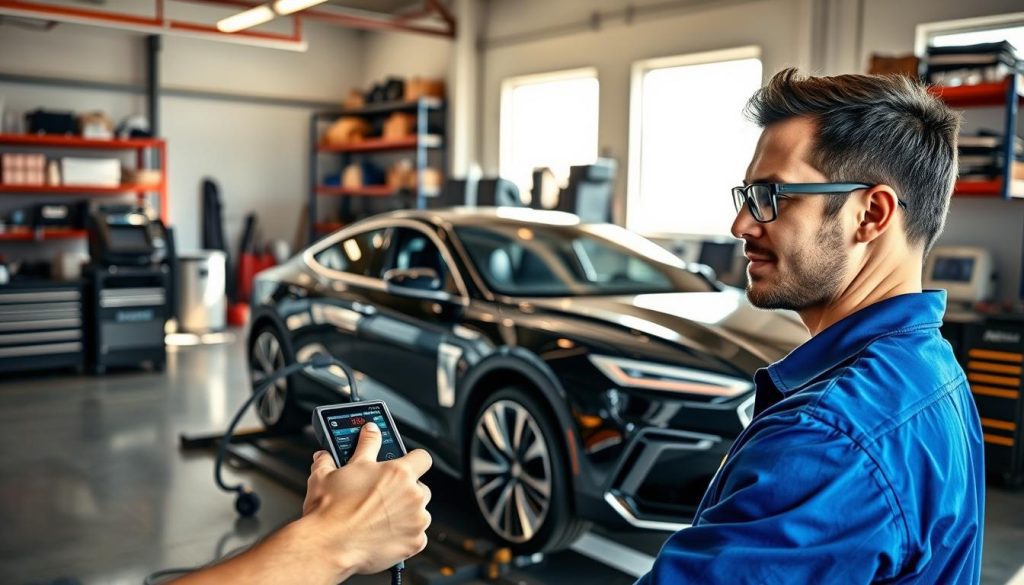
Watch for warning lights, erratic assists, or odd alerts after repair work. These signs mean a recalibration is likely required to meet manufacturer specifications.
- Schedule recalibration after collision repair, bumper replacement, or structural work.
- Request checks following windshield work that touches the camera mount.
- Book a follow-up after alignment or suspension adjustments.
We follow manufacturer specifications and document results so you and your insurer receive verified proof that your vehicle’s safety systems were restored and tested before you drive away.
How the ADAS Calibration Process Works at a Professional Collision Repair Shop
At a professional repair shop, restoring system accuracy begins with a step-by-step workflow we follow every time. Our process is repeatable and documented so you know exactly what work was done.
Initial diagnostic scan and system health check. We read stored fault codes, verify sensor communication, and record baseline system status before any adjustments.
Vehicle prep to meet manufacturer specifications. We set correct tire pressure, confirm ride height and wheel alignment, and arrange a controlled shop space for target placement.
Static versus dynamic methods
Static uses precise targets and measured distances in the bay. Dynamic requires controlled driving so the vehicle can reference road cues. The correct method depends on the vehicle’s manufacturer procedure.
Final testing, road verification, and documentation
We verify each system on a test drive and produce a written report that shows the steps and results. Typical services take about 1–3 hours, though complex repairs can affect time.
- Repeatable steps: scan, prep, perform, test, document.
- OEM procedures: followed for consistent accuracy and proof of work.
- Clear results: you receive a report verifying restored system performance.
Why OEM-Level Accuracy Matters for Safety, Liability, and Repair Quality
Exact factory settings make the difference between a reliable assist and an unpredictable system. Restoring factory tolerances returns sensors and systems to the behavior drivers expect on the road.
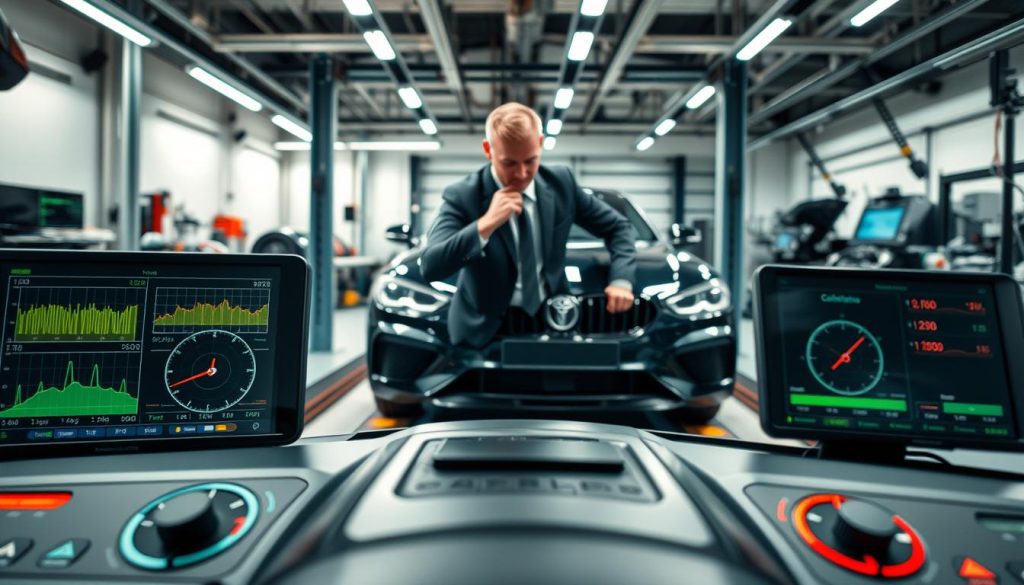
Meeting manufacturer specifications instead of “close enough” alignments
We follow manufacturer procedures so adjustments meet written specifications. Small measurement errors translate into real-world detection mistakes.
Close enough leave gaps that can affect liability and whether a repair is defensible after a collision repair claim.
Reducing false alerts, delayed warnings, and inconsistent driver-assist behavior
Proper calibration reduces false alerts and late warnings. Drivers notice more consistent performance and fewer unexpected interventions.
Some makes require brand-specific procedures and certifications. We confirm compatibility with the exact model and system package before we begin.
- Safety first: OEM-level work restores trusted system performance.
- Liability and proof: Documented steps create a verifiable repair record.
- Complete repair: Electronic, structural, and mechanical work are all part of a quality outcome.
Conclusion
A precise reset of sensor aim and software settings restores how a car senses distance and lanes.
Calibration after collision repair, windshield work, or an alignment change is the step that returns trust to your vehicle’s driver-assist features.
Minor impacts, bumper or body work, and suspension shifts often trigger the need for adas calibration so systems behave predictably. Proper service reduces false alerts and keeps occupants safer.
Don’t ignore warning lights or odd assist behavior. Call us to schedule a professional evaluation and documented service.
Hire Miracle Body and Paint Collision Center to fix collision repair damage and restore safety-focused results.
2 Locations to Serve You — North West San Antonio – Leon Valley: (210) 680 -1987, 6217 Grissom Rd., San Antonio, TX 78238
2 Locations to Serve You — North East San Antonio: (210) 858-3630, 4650 Walzem Rd, San Antonio, TX 78218