


What to Do Immediately After a Car Accident in San Antonio

Why Certified Technicians Matter in Collision Repair
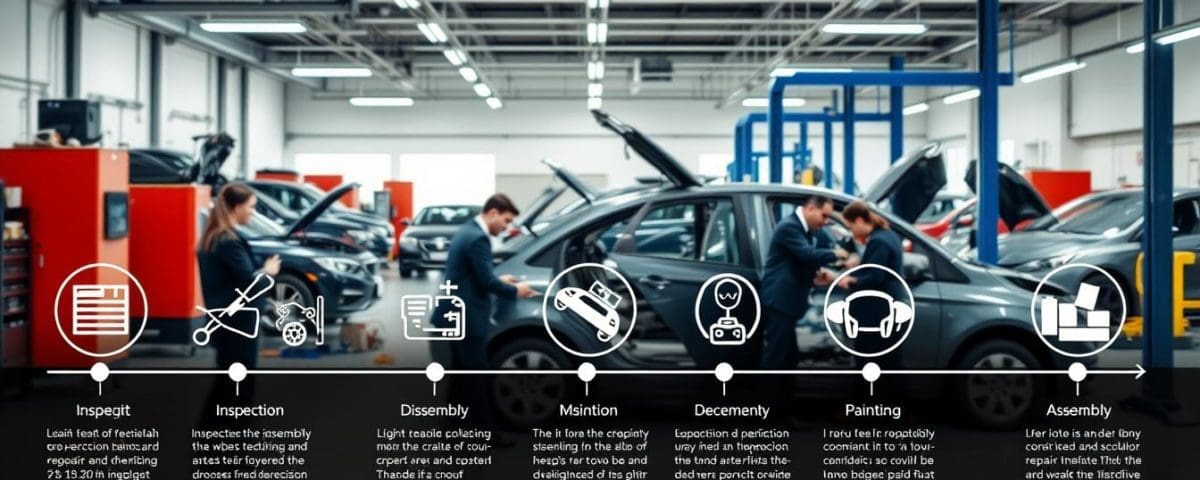
We answer the common question up front: how long will your vehicle take to be fixed in San Antonio? At Miracle Body and Paint Collision Center, we serve drivers from our Leon Valley and Walzem Rd locations and give clear, realistic timelines so you can plan.
Time to return a car to safe condition depends on damage severity, parts availability, insurance approval, and shop scheduling. Small jobs often finish in a couple of days, and some minor work can be same-day. Major body work, frame fixes, and calibrations can take several weeks.
Our focus is safety and quality: fast service matters only when systems are restored correctly. Read on to learn typical day and week ranges, the step-by-step process, and what you can do to avoid avoidable delays.
Key Takeaways
- Repair time varies; no one-size-fits-all answer.
- Minor jobs: often a few days; major jobs: several weeks.
- Parts and insurance are common causes of delays.
- We prioritize safety and clear communication at both locations.
- Understanding the process helps you plan transportation and expectations.
What “Repair Time” Really Means After a Crash in San Antonio
After an accident, “repair time” covers more than shop hours—it includes approvals, parts, and finishing steps. We use plain language so you know what to expect from the moment you walk in.
Why crashes are common and why timelines vary
About 2 million vehicle incidents happen each year, so many drivers ask about how long fixes may take. Each accident creates unique damage patterns, so similar-looking hits can hide very different issues.
- Estimate & insurance approval: work often cannot start until the claim is authorized.
- Parts availability: OEM or specialty parts can be delayed by backorders or shipping.
- Work scope & severity: cosmetic fixes finish faster than structural or electronic system work.
- Shop schedule: technician workload affects start dates and overall process length.
Some simple repairs may take only a couple of days, while major damage can extend into several weeks or longer. We coordinate with insurers, order parts early, and keep you updated so idle days are minimized.
At Miracle Body and Paint Collision Center, we explain each step, what’s next, and what decisions you can make to help move the process along.
Collision Repair Timeline: Realistic Timeframes by Damage Type
Different kinds of damage mean very different timeframes for getting a vehicle back on the road.
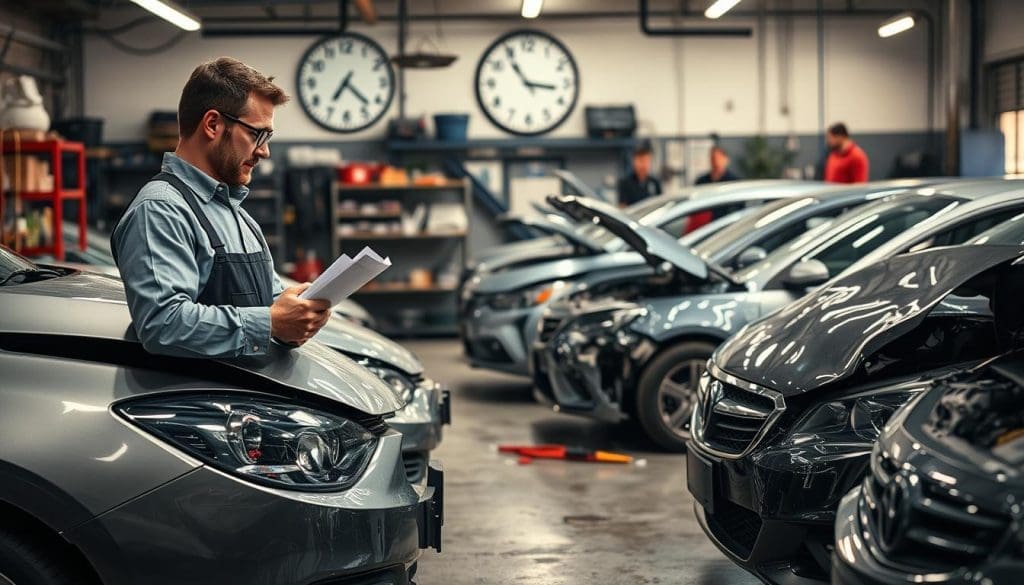
Minor scratches, shallow dents, and chipped paint
Small cosmetic work often takes 1–3 days. Some jobs can finish the same day if parts and color match are on hand.
Prepping, priming, and clear-coat curing add time, so plan for a few days in most cases.
Bumper repair vs bumper replacement
Bumper repairs commonly take about a day. If the bumper must be replaced, the job may take up to 3 days or more.
Ordering a replacement part or mounting hardware can extend the schedule.
Moderate body work and paint blending
Panel replacement and paint blending usually need a workweek—about 4–7 business days.
Larger panels (quarter panels, doors) often run 5–10 days because of fitment and refinishing.
Frame, structural fixes, and multi-part projects
Frame straightening and multi-part projects typically take 2–4+ weeks.
Measuring, straightening, alignment checks, and safety verification drive that time.
Internal component replacement
Complex mechanical or connected-system work may take up to two weeks. Disassembly, testing, and calibrations add steps.
- Parts availability—OEM or rare parts can add days or several weeks.
- Severity determines repair vs replacement and directly affects the overall schedule.
Next step: we confirm a realistic estimate after inspection at Miracle Body and Paint Collision Center so you know whether to expect hours, days, or weeks.
How the Collision Repair Process Works at a Body Shop
We use a step-by-step workflow that exposes hidden problems early and keeps work moving efficiently. Below we outline how we inspect, document, and complete repairs so you know what each step means for your vehicle and schedule.
Damage inspection and estimate
We begin with a thorough inspection to log visible and hidden damage. In many cases this part takes hours to a day and produces a clear estimate for parts and labor.
Disassembly and teardown
Next we remove panels to reveal any underlying issues. Finding additional damage can change scope and extend the work, so we document discoveries and update the estimate quickly.
Parts ordering and logistics
Parts availability drives many delays. We order OEM items early and track shipping; typical lead times run 3–7 days, while backorders can take weeks.
Body work, paint, and reassembly
Structural and body work restore safety and fit. After shaping and replacement, paint and curing ensure a durable finish. Finally, we reassemble systems, run calibrations, and perform a final quality check.
Final checks
We test fitment, electronics, and drive systems before we release a vehicle. Our goal is a safe return to the road with clear communication at every step.
What Can Delay a Repair Timeline Even at a Great Shop
Even the best body shops can face factors that stretch the expected return date for a vehicle. We stay practical and explain the common causes so you know what to ask and expect.
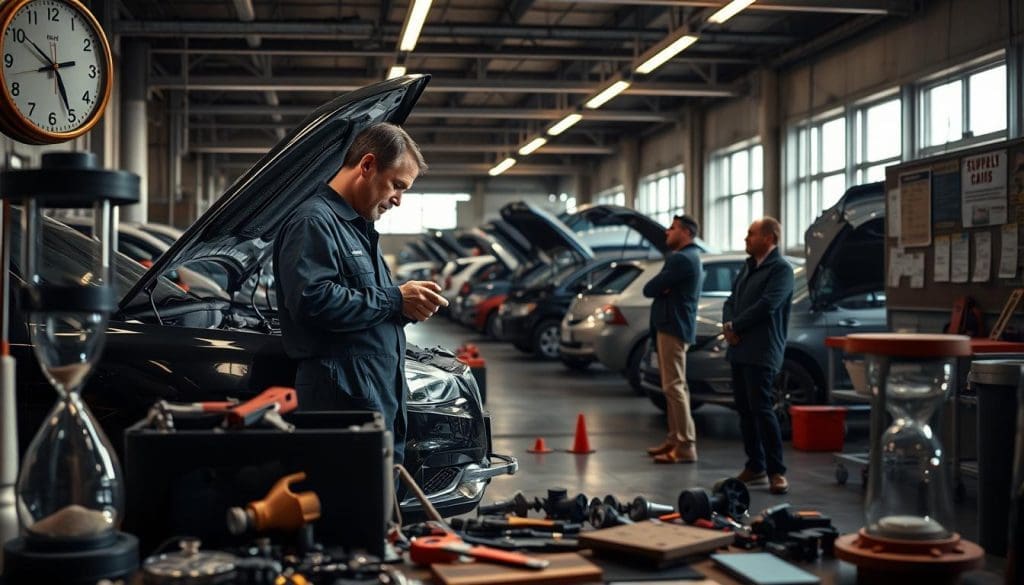
Severity and repair vs. replacement choices
Severity of damage is the first factor. Deciding whether to repair or replace panels, bumpers, or structural parts adds time.
Replacement often needs extra parts and calibrations, which can make repairs take days or longer.
Parts availability and sourcing
Parts availability drives many delays. OEM or specialty parts can add 3–7 days, and rare items sometimes take weeks.
Holidays and manufacturer slowdowns create backorders that extend the schedule.
Shop scheduling and hidden discoveries
Technician workload and bay availability affect start times even when the hands-on work is quick.
Hidden damage found after teardown changes scope and causes idle time while new parts or approvals arrive.
- Delays don’t always mean poor workmanship—external factors matter.
- We minimize waits with early parts research and fast, clear communication.
- Ask us what specifically is limiting progress: part, approval, workload, or added damage.
Insurance Approval and Paperwork: How We Help Keep the Process Moving
Before a technician lifts a wrench, many claims must clear insurer checks and formal sign-offs. That administrative step often determines when actual work can begin.
Why repairs may not start until the insurer approves
Insurer approval is commonly the critical path: in many cases we cannot begin until the carrier authorizes the estimate and scope. Typical approval windows range from a few days to a week, depending on adjuster availability and claim complexity.
What insurers usually need and how we help
Insurers ask for photos, line-item estimates, and clear documentation of damage. If teardown reveals additional collision damage, a supplement may be required and that can add days while the new scope is approved.
- We submit thorough estimates and answer adjuster questions quickly.
- We track authorizations and update you when approvals arrive.
- Vehicle repairs can be costly, so we document options and costs clearly.
Practical tip: respond promptly to authorization requests and confirm coverage details early to reduce delays. We coordinate with the insurer every step so the repair process stays as efficient as possible while protecting quality and safety.
Get Back on the Road Faster – Miracle Body and Paint Collsion Center
We focus on clear expectations so you know when to plan for a loaner or alternate transport.
Communication best practices
We give regular updates with photos and notes so you see progress. Quick decisions from you help prevent added days of waiting.
We track approvals and keep messages short and clear. Prompt responses speed the process and reduce idle time.
Scheduling tips
Booking during non-peak times often shortens wait times. When bays and techs are less busy, actual work starts sooner and finishes faster.
Smart parts planning
We confirm parts availability early and order promptly. Choosing available OEM or approved aftermarket parts can save weeks compared to backorders.
- We set realistic expectations from day one with ranges and dependencies.
- We balance speed with quality by following a consistent process and final checks.
- Simple action list: gather accident details, answer insurer questions fast, approve options, and stay reachable.
At Miracle Body and Paint Collision Center, we use clear communication, proactive planning, and our two San Antonio locations to help get your vehicle back sooner without sacrificing quality.
Conclusion
Every vehicle and accident is different, so final work durations vary with scope and logistics.
In short: the time needed for collision repair depends on the type of damage, the parts required, insurer approvals, and any hidden issues found during teardown.
Minor cosmetic jobs often finish in a couple days. Major structural or multi-part work can take several weeks. A clear process—estimate, approvals, parts ordering, repairs, refinishing, reassembly, and quality checks—helps prevent surprises and rework.
Proactive communication and prompt decisions reduce avoidable delays. Choose a local San Antonio shop that puts safety and transparency first.
Hire Miracle Body and Paint Collision Center to fix your collision repair damage. We have 2 Locations to Serve You:
North West San Antonio – Leon Valley: (210) 680 -1987, 6217 Grissom Rd., San Antonio, TX 78238
North East San Antonio: (210) 858-3630, 4650 Walzem Rd, San Antonio, TX 78218

