
Reducing Stress After a Car Accident in San Antonio
Why Trained Technicians Make All the Difference
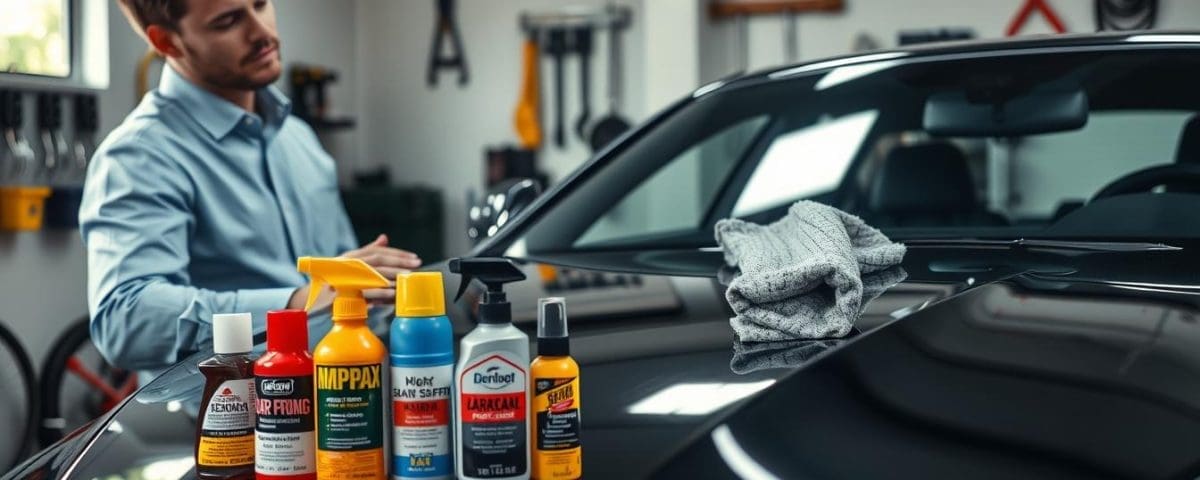
After spending money on body repairs, it’s key to keep your car looking good and safe. Taking care of the paint and doing regular checks can make the repairs last longer.
Ignoring post-repair maintenance can cause more harm and expensive fixes later. With a few easy steps, you can keep your car in top shape and make sure the repairs hold up.
At Miracle Body and Paint Collision Center, we know how important quality repairs are. Our skilled team is here to help you take care of your car after the fixes.
Key Takeaways
- Regular washing and waxing to protect the paint
- Inspecting the vehicle for any signs of damage or wear
- Avoiding extreme weather conditions
- Using a high-quality car cover when parked for extended periods
- Scheduling regular maintenance checks with a professional
The Critical First Days: What Every Car Owner Should Know
After body repairs, the first days are key for your car’s new paint and structure. The paint is curing, and the fixed areas are at risk of damage.
Understanding Paint Curing Processes
The paint curing process makes the paint harder and more durable. Proper environmental conditions are important for this.
Chemical Changes During Curing
During curing, the paint changes chemically. Solvents evaporate, and polymers link up, making the paint stronger.
Optimal Environmental Conditions
For paint curing, you need moderate temperatures and low humidity. Stay away from direct sunlight and extreme weather for a smooth finish.
Handling Restrictions After Fresh Repairs
After repairs, it’s vital to handle your car carefully. Avoid touching too much and use temporary protection.
Touch and Pressure Limitations
Too much touch can harm the paint, and too much pressure can ruin the repair. Be gentle with your car during this time.
Temporary Protective Measures
Use protective wax or stay out of harsh weather to protect the repairs.
| Handling Restriction | Purpose | Benefit |
|---|---|---|
| Avoiding excessive touch | Prevent paint damage | Maintains paint integrity |
| Limiting pressure | Protect repair work | Ensures repair durability |
| Applying protective wax | Safeguard new paint | Enhances paint protection |
Knowing about paint curing and following handling rules helps keep your car’s repairs lasting longer.
Essential Post-Repair Maintenance Tips for Long-Term Vehicle Health
Keeping your car in great shape after repairs is key. It makes your car look good and run well for a long time.
Immediate Care Requirements
The first time after repairs is very important. Good care then can make repairs last longer.
First Week Precautions
In the first week, stay away from bad weather and extreme temperatures. Keep your car clean and waxed to protect the new paint.
- Avoid washing your car for at least 48 hours after paint repairs.
- Park in shaded areas or use a car cover to protect against UV rays.
Special Considerations for Major Repairs
For big repairs, you might need to do more. Ask your repair tech for advice that fits your car.
Creating a Maintenance Schedule
Having a maintenance plan is vital for your car’s health. Regular checks can spot problems early.
Documentation and Follow-up Appointments
Keep records of all maintenance. This will be very helpful for the future and when selling your car.
- Schedule regular inspections with your mechanic.
- Keep track of mileage and maintenance intervals.
Digital Tools for Maintenance Tracking
Use digital tools and apps for tracking maintenance. These can remind you and help you keep up with your car’s needs.
- Explore apps like Fuelly or GasBuddy for tracking.
- Set reminders for routine maintenance tasks.
Proper Paint Care Following Collision Repairs
Keeping your car’s paint in top shape after repairs is key. It makes your vehicle look great and last longer. The right care ensures your car’s paint stays strong against the weather.
When to Wash Your Newly Painted Vehicle
Wait until the paint is fully dry before washing your car. This usually takes about 30 days. Always check with your repair shop for exact advice.
Hand Washing vs. Automatic Car Washes
Hand washing is safer for new paint jobs. It’s gentler than automatic car washes. These can harm the fresh paint with their brushes and strong jets.
Appropriate Cleaning Products
Choose mild soap and avoid harsh chemicals. Use pH-balanced car wash products made for car paint.
Protecting Your New Paint Job
After the paint dries, it’s important to shield it from UV rays and damage.
UV Protection Strategies
Apply wax or paint sealant often to protect against UV rays. Choose products with UV blockers to keep the paint looking good.
Avoiding Environmental Damage
Park in the shade or use a car cover to avoid sunlight and damage. Regular checks can spot problems early.
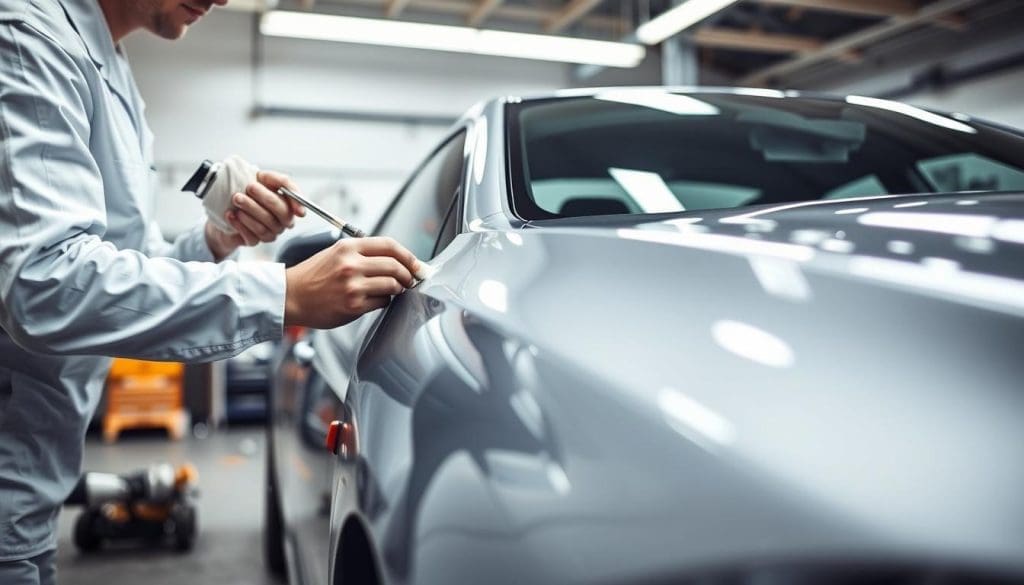
Monitoring Your Vehicle’s Structural Integrity
It’s important to check your vehicle’s structure after repairs. Make sure everything is aligned and working right.
Signs of Alignment and Suspension Issues
Notice if your car handles differently. This could mean alignment or suspension problems.
- Drifting or pulling to one side while driving
- Uneven tire wear
- Vibrations while steering
Handling Changes to Watch For
Unusual handling, like looseness or stiffness, might mean a problem with suspension or alignment.
Visual Inspection Techniques
Look for signs of damage or misalignment by eye. Check for uneven gaps and make sure lights and trim are straight.
Frame Repair Verification
It’s key to check if frame repairs were done right. This affects your car’s safety and how well it runs.
Understanding Repair Documentation
Look over the repair papers to know what was fixed. Check before-and-after photos and invoices.
When to Request Additional Inspections
If you’re not sure about the repair, ask for more checks or explanations from the repair shop.
| Inspection Area | What to Look For | Potential Issue |
|---|---|---|
| Alignment | Drifting, uneven tire wear | Misalignment |
| Suspension | Vibrations, stiffness | Suspension damage |
| Frame | Signs of repair, documentation | Incomplete or improper repair |
Keep an eye on your vehicle’s structure and fix problems fast. This keeps you safe and your car running well for longer.
Vehicle Post-Collision Care | Miracle Body and Paint Collsion Center
Post-repair maintenance changes a lot depending on the vehicle type. Sedans, compact cars, SUVs, and trucks all need different care. This ensures your car stays in top shape after repairs.
Sedan and Compact Car Considerations
Sedans and compact cars are lighter and use less fuel. They need special care after repairs. It’s key to fix common problems and prevent new ones.
Common Repair Vulnerabilities
- Paint damage from minor collisions
- Alignment issues affecting tire wear
- Potential for rust on exposed metal
Preventative Measures
To avoid these issues, take these steps:
- Check the paint for chips or scratches and fix them fast.
- Get your car’s alignment checked after any crash, no matter how small.
- Use a rust-inhibiting coating on metal parts that are exposed.
SUV and Truck-Specific Maintenance
SUVs and trucks are bigger and carry more. They need extra care, like checking the suspension and undercarriage. Also, make sure they can handle the load after repairs.
Suspension and Undercarriage Checks
It’s important to check the suspension and undercarriage often. Look for wear, rust, or damage that could harm the car’s structure.
Load-Bearing Capacity After Repairs
Make sure repairs don’t hurt the car’s ability to carry a load. Always follow the manufacturer’s advice. If you’re not sure, talk to a pro.
Using these advanced maintenance tips for your car type helps keep it running well. It also protects your investment.
Weather Protection: Safeguarding Your Repaired Vehicle
After your car is fixed from a collision, it’s key to protect it from the weather. Weather can really hurt your car’s repairs, making them last less and look worse.
Seasonal Considerations
Each season brings its own weather challenges for your car. Knowing these can help you protect your vehicle better.
Winter Salt and Ice Protection
In winter, salt and ice can harm your car’s paint and underside. Washing it often and using a protective coating can help.
Summer Heat Mitigation
Summer heat can make paint fade and interior materials break down. Park in the shade or use a sunshade to lessen these effects.
Garage Storage vs. Outdoor Parking
Where you park your car matters a lot for weather protection. Garage parking is best, but other options can work too.
Optimal Storage Conditions
A garage should be dry, well-ventilated, and out of direct sunlight. A dehumidifier can stop moisture damage.
Protective Covers and Their Proper Use
If you can’t park in a garage, a good car cover can help. Make sure it’s breathable to avoid moisture buildup.
| Protection Method | Benefits | Best Use Scenario |
|---|---|---|
| Garage Storage | Full protection from weather elements | Ideal for long-term storage |
| Car Cover | Protection from UV rays and debris | Outdoor parking |
| Waxing | Paint protection and enhanced shine | Regular maintenance |
Understanding how weather affects your car and taking steps to protect it can keep your repairs lasting longer. This helps keep your car in good shape.
Warning Signs That Require Immediate Attention
Being alert to certain warning signs can prevent future problems and expensive repairs. After your car has been fixed, it’s key to watch out for possible issues.
Visual Indicators of Possible Problems
Checking your car visually is a must to spot problems early. Look for paint oddities and panel alignment issues.
Paint Abnormalities
Check your car’s paint for uneven color, drips, or thin spots. These signs might mean the work was rushed or not done well.
Panel Alignment Problems
Bad panel alignment can cause water leaks and make driving harder. Make sure all panels fit right and there are no gaps.
Performance and Handling Concerns
Changes in how your car drives or sounds can also point to problems. Pay attention to any odd noises or vibrations.
Unusual Sounds or Vibrations
Unusual noises or shakes might mean the repair didn’t go right. This could be due to bad alignment or suspension problems. For more on car repair signs, check here.
When to Return to Your Repair Shop
If you see these warning signs, go back to your repair shop fast. A good shop will fix these problems right away.
| Warning Sign | Potential Issue | Action Required |
|---|---|---|
| Paint Abnormalities | Subpar paint job | Inspect and touch up |
| Panel Alignment Problems | Misaligned panels | Adjust panels |
| Unusual Sounds or Vibrations | Alignment or suspension issues | Check and repair alignment or suspension |
Knowing these warning signs and acting quickly can keep your car in top shape after repairs.
Maintaining Your Vehicle’s Value After Collision Repairs
Keeping your vehicle in good shape after repairs is key. This means taking care of it right away, keeping up with maintenance, and keeping detailed records.
Documentation and Record-Keeping
Keeping accurate records is essential. These should include repair details, parts used, and any future maintenance.
Digital and Physical Record Systems
Having both digital and physical records is best. Store digital ones in the cloud and keep physical ones safe and easy to find.
Insurance Considerations
Make sure your insurance company knows about any repairs or updates. This can avoid problems later on.
Disclosure Requirements When Selling
When selling, being open about your vehicle’s history is important. Telling buyers about any repairs or maintenance can build trust.
Legal Obligations
Sellers must share certain info about the vehicle’s past. Knowing these laws helps you follow them.
Building Buyer Confidence
Being open and providing detailed records can increase buyer trust. This might even lead to a better sale price.
By following these tips, you can keep your vehicle’s value high after repairs. This ensures it remains a valuable asset for years.
Technology and Tools for Modern Post-Repair Maintenance
Today, technology is key in keeping cars in top shape after repairs. Many tools and services help car owners. These tools make maintenance easier and keep the car in great condition.
Diagnostic Apps and Services
Diagnostic apps and services are now essential for car care. They let owners check their car’s health, find problems, and book maintenance.
DIY Monitoring Solutions
DIY monitoring lets owners watch their car’s health live. With OBD-II scanners and apps, they can see engine performance, fuel use, and more.
Professional Diagnostic Resources
For tough issues, there are professional tools. Auto shops use advanced gear and software to find and fix problems accurately.
Advanced Coating and Protection Products
Advanced coatings and protectants are vital for keeping a car looking good and safe from damage. They’re key for repaired areas.
Ceramic Coatings for Repaired Areas
Ceramic coatings give a strong shield to repaired spots. They keep water away, stop rust, and keep the car shiny.
Paint Protection Films and Applications
Paint protection films (PPF) also protect a car’s paint. They take hits and keep the paint safe from road debris.
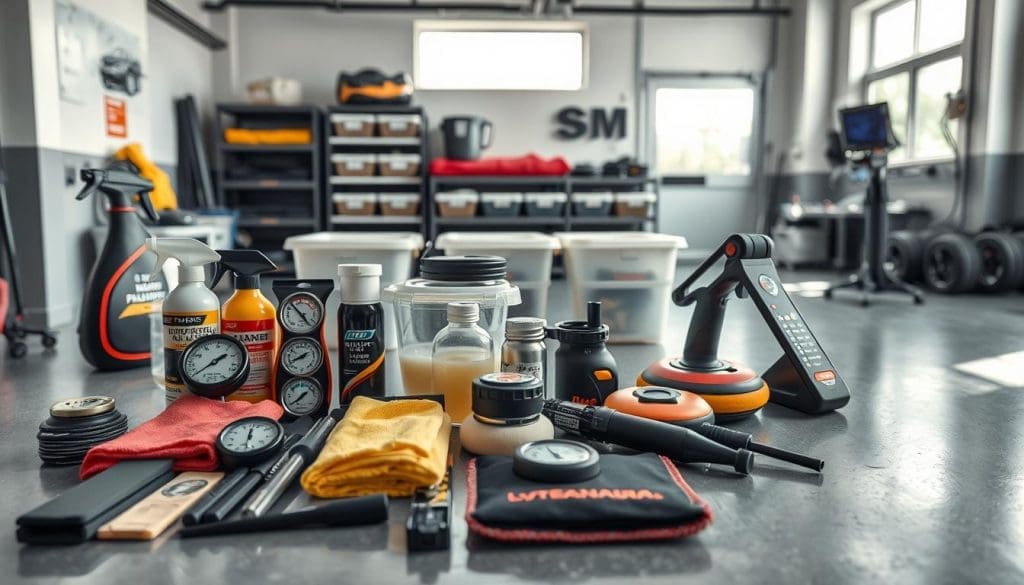
| Product/Service | Description | Benefits |
|---|---|---|
| Diagnostic Apps | Mobile apps for monitoring vehicle performance | Real-time monitoring, fault diagnosis |
| Ceramic Coatings | Nano-ceramic protective coatings | Water repellent, rust protection, glossy finish |
| Paint Protection Films | Transparent protective films for paint | Impact resistance, debris protection, easy maintenance |
Conclusion: Ensuring the Longevity of Your Vehicle Repairs
Keeping your vehicle in good shape after repairs is key. By following the tips in this article, you can keep your car running well. This helps maintain its value and performance over time.
Good paint care and regular checks are vital. Washing and waxing your car protects its paint. Also, checking it often can spot problems early, avoiding big issues later.
At Miracle Body and Paint Collision Center, we focus on excellent repair services. If your car needs repairs or maintenance, reach out to us in San Antonio. Our skilled team is ready to help you keep your vehicle in top shape.