


Why Factory Repair Procedures Matter

What Happens Before Your Car Is Returned
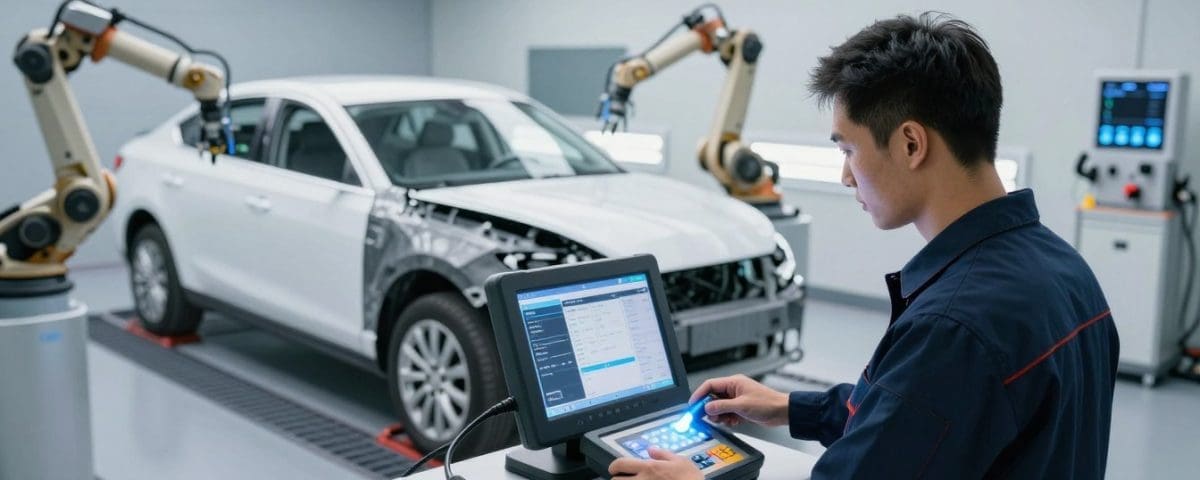
If you look at cars made in 2026, you’ll see they’re dramatically different from those made just five years ago. Today’s cars are not simple machines anymore. They are complex networks of advanced sensors and software.
This fast change in automotive technology means your car is now like a rolling computer. These vehicle safety systems need a precision that was never needed before. So, old repair methods don’t work for modern cars.
When you need collision repair, you must know the stakes are higher. Technicians now have to fix not just the frame but also the car’s digital parts. Using old methods can harm the vehicle safety systems that keep you safe. So, using new automotive technology is key to keeping your car safe after a crash.
Key Takeaways
- Modern 2026 vehicle models are significantly more complex than older car designs.
- Today’s cars function as sophisticated networks, not just mechanical structures.
- Traditional methods for collision repair often fail to address modern digital requirements.
- Restoring vehicle safety systems is now as critical as fixing the exterior body.
- Professional repair shops must adapt to new technology to maintain safety standards.
The Evolution of Modern Vehicle Architecture
Did you know your car is like a super-fast computer? Gone are the days of simple fixes. Now, modern vehicle architecture depends on digital smarts. Knowing how these systems work is key to keeping your car safe.
From Mechanical Components to Software-Defined Vehicles
The shift to software-defined vehicles has changed cars a lot. Today, luxury cars have more code than the space shuttle. This code controls everything from engine timing to brakes.
When your car gets collision repair, it’s not just about metal and paint. Technicians are doing digital surgery. Skipping this step can be very dangerous.
The Integration of Complex Electronic Control Units
Modern cars use many electronic control units (ECUs) to check on the car and driver. These units are the car’s brain, using data from sensors in real-time. Damage to these units can mess up the whole car.
The table below shows how cars have changed from old to new:
| Feature | Traditional Vehicles | Modern Vehicles |
|---|---|---|
| Primary Control | Mechanical Linkages | Electronic Control Units |
| Diagnostic Method | Visual Inspection | Digital Scanning Tools |
| Repair Focus | Structural Integrity | Software and Sensor Calibration |
| Complexity Level | Low to Moderate | Extremely High |
It’s important to know these differences for your car’s safety. By focusing on precision in repairs, you keep your car and passengers safe.
Understanding the Role of ADAS Calibration San Antonio
If you drive a newer car in Texas, you rely on advanced safety features daily. These technologies help keep you and your passengers safe on busy roads. After your vehicle gets damaged, fixing these systems is key for your safety.
Defining Advanced Driver Assistance Systems
ADAS systems are electronic technologies that help drivers. They use cameras, radar, and ultrasonic sensors to watch the area around your car. This lets the car make quick decisions to avoid accidents.
Features you might use include:
- Adaptive Cruise Control
- Automatic Emergency Braking
- Lane Departure Warning
- Blind Spot Detection
- Traffic Sign Recognition
These sophisticated tools need precise data to work right. Even a small change in sensor alignment can make them fail or give wrong warnings.
Why Precision Calibration is Non-Negotiable After a Collision
After a crash, your vehicle’s sensors might move from their original spots. Even small damage can affect the ADAS systems. Professional ADAS calibration San Antonio is needed to make sure these sensors work right.
Not getting this calibration done can be very dangerous. If a sensor is off by a little, your car might not see a hazard in time. Precision is not just a suggestion; it’s essential for fixing modern cars.
Choosing a place that specializes in ADAS calibration San Antonio means your safety tech works perfectly. You’ll have peace of mind knowing your car’s safety systems are working as they should.
The Impact of Vehicle Sensors on Repair Complexity
Underneath your car’s shiny surface, there’s a complex network of sensors. These vehicle sensors are key to your car’s safety. Even a small crash can mess with these parts, making repairs harder than before.
Types of Sensors Found in Modern Automobiles
Today’s cars use many technologies to keep an eye on their surroundings. Radar units hide behind bumpers, and high-resolution cameras sit near windshields or side mirrors. Ultrasonic sensors are found in the front and rear to help with parking and detecting objects nearby.
These vehicle sensors need to work together flawlessly. They’re often damaged in crashes because they’re in impact zones. Fixing or replacing them requires special skills to get them right.
How Sensor Misalignment Affects Safety Performance
Accuracy is key with today’s car tech. If a sensor is slightly off, safety systems might not work right. This misalignment can cause slow braking or wrong warnings, risking your safety.
When your car needs repairs, techs must calibrate everything carefully. Skipping this step is not an option. It’s vital for your vehicle sensors to work well, keeping you safe on the road.
Navigating Lane Assist Calibration Requirements
Safety depends on precision with your vehicle’s lane departure warning system. Even a small impact can affect the sensors that keep you in your lane. It’s important to ensure proper lane assist calibration to keep your vehicle safe.
The Mechanics Behind Lane Departure Warning Systems
These systems use high-resolution cameras behind the windshield to watch road markings. They process visual data in real-time to see if you’re drifting. Accurate camera alignment is key for the system to read lane lines right.
If the camera is off by a little, the system might not warn you or could steer wrong. That’s why lane assist calibration needs to be done by certified techs with the right tools. Without it, the system can’t track the road well.
Diagnostic Procedures for Restoring Lane Assist Functionality
Fixing these features means a detailed diagnostic process, just like the maker’s original setup. Techs use digital targets and special software to check the camera’s view. This lane assist calibration makes sure the system gets accurate data from the road.
After a crash, just swapping a sensor isn’t enough for safety. The whole system needs to be recalibrated for any changes or shifts in the car. The table below shows the difference between a calibrated and uncalibrated system.
| Feature | Uncalibrated System | Calibrated System |
|---|---|---|
| Lane Detection | Inconsistent or delayed | Immediate and accurate |
| Steering Feedback | Erratic or non-existent | Smooth and responsive |
| Safety Status | High risk of failure | Optimal performance |
The Shift Toward Digital Diagnostic Tools
Your car is like a powerful computer on wheels, needing digital precision. While fixing the body is key for repairs, the car’s internal health depends on complex software. Technicians must now mix physical repairs with advanced electronic checks to keep you safe.
Moving Beyond Traditional Bodywork Techniques
Fixing a modern car is more than just fixing dents or swapping panels. Today’s cars have a vehicle computer system that needs digital checks. Shops must use digital tools to find hidden problems, not just look at them.
Modern collision repair means talking to the car’s computer. Technicians use special software to find error codes that can’t be seen. This makes sure every part works right, just like the maker wanted.
The Necessity of OEM-Approved Scanning Equipment
Good shops use OEM-approved scanning equipment for safety. They start with a full scan when your car arrives. This scan finds any electronic problems before they start fixing anything.
After repairs, they do a final scan to check everything works right. This last step gives your car a clean bill of health for its electronics. Only factory-authorized tools can make sure your car’s safety features work well later on.
Why Collision Repair Shops Must Invest in Specialized Training
Today’s cars are like computers on wheels, needing skilled technicians to ensure they’re safe on the road. The shift from mechanical parts to digital networks has changed the collision repair world. Your safety depends on your repair shop’s ability to keep up with these changes.
The Growing Skills Gap in the Automotive Industry
Modern technicians need skills like systems engineers to handle today’s car technology. Many shops struggle to keep up because the skills needed for high-tech repairs have increased. Closing this skills gap is essential for reliable service.
Without trained technicians in software diagnostics and electronic troubleshooting, shops risk incomplete repairs. This is very dangerous with ADAS systems that control safety features. Investing in training is as important as buying new diagnostic tools.
Continuous Education for Technicians Handling ADAS Systems
The automotive industry changes fast, making ongoing education a must for technicians. Shops handling ADAS systems need to keep up with the latest from manufacturers. Continuous learning ensures every sensor and camera works right.
The table below shows the shift in what modern repair facilities need compared to old methods:
| Skill Category | Traditional Repair | Modern High-Tech Repair |
|---|---|---|
| Primary Focus | Metal and Paint | Software and Electronics |
| Diagnostic Tool | Visual Inspection | Digital Scanning Tools |
| Safety Priority | Structural Integrity | ADAS systems Calibration |
| Training Needs | Manual Craftsmanship | Systems Engineering Logic |
By focusing on specialized training, repair centers show they care about long-term vehicle safety. Always check if your chosen shop invests in the training needed for your car’s technology.
The Critical Importance of OEM Repair Procedures
Modern cars are complex machines that need strict factory repair protocols. When your car gets damaged, fixing it is more than just making it look good. It’s about bringing back the original safety standards made by the manufacturer. Using official OEM repair procedures makes sure every part is fixed the right way.
Following Manufacturer Guidelines for Structural Integrity
Your car has special crumple zones to absorb energy in crashes. These zones need exact metal thickness and bonding to work right. By following the manufacturer’s guidelines, technicians keep the structural integrity of the frame strong. This is key for protecting you and your passengers in future accidents.
Repair shops that focus on these standards use special tools to check frame alignment very precisely. This precision is hard to get with generic repair methods. Investing in proper procedures means your car will work just like it did when it was new.
The Risks of Deviating from Factory Specifications
Shortcuts in repairs can be very dangerous. When a shop doesn’t follow factory specs, they might risk the systems meant to save your life. For example, bad welding can make the metal weak, leading to failure in a crash.
The table below shows why following official guidelines is key for your safety:
| Repair Aspect | OEM Standard | Shortcut Risk |
|---|---|---|
| Crumple Zones | Maintains energy absorption | Increased cabin intrusion |
| Frame Welding | Factory-grade strength | Structural failure |
| Sensor Alignment | Precision calibration | System malfunction |
Remember, your safety is not a place to cut corners. Picking a repair shop that follows OEM procedures ensures your car stays safe. Always check that your repair center uses the latest factory data for their work.
How Advanced Materials Are Changing Structural Repairs
The collision repair industry has seen a big change. Now, cars use lightweight, strong materials. These materials help protect the car’s cabin by absorbing energy. Maintaining the structural integrity of these frames needs new tools and methods.
Working with High-Strength Steel and Aluminum
Car makers use special steels and alloys to make cars lighter but safer. These materials act differently when heated or pressed than older steel. Too much heat can make them lose their critical strength properties, which is a safety risk.
Aluminum body panels also bring their own set of challenges. Aluminum reacts quickly, so it needs a dedicated, isolated repair environment to avoid contamination. Even tiny steel particles can cause corrosion, damaging the aluminum and your car’s look.
Specialized Welding and Bonding Techniques for Modern Frames
Old-school welding isn’t enough for today’s car frames. Now, structural adhesives and rivet bonding are key to keeping the frame strong. These methods help the frame stay as rigid and safe as it was when new.
When welding is needed, techs use special gear for precise heat control. This keeps the metal from becoming brittle or warping. By using these advanced protocols, shops make sure your car is as safe as it was when it left the factory.
The Role of Telematics in Post-Collision Reporting
Your car now acts as a silent witness, recording vital information the moment an impact occurs. Modern vehicles use telematics to send real-time data to manufacturers and service providers. This data gives a clear picture of the forces involved during a crash.
How Connected Vehicles Communicate Damage Data
When a collision happens, your car’s sensors capture specific details. This vehicle data includes speed, braking patterns, and the severity of the impact. By sending this information wirelessly, your car helps technicians understand the hidden damage.
This technology ensures that repair shops get accurate reports before you arrive. It allows for a more precise assessment of your vehicle’s structural integrity. You benefit from a faster diagnosis and a more reliable repair plan.
Streamlining the Insurance Claims Process Through Technology
The integration of digital diagnostics improves how insurance claims are handled. Insurance companies use this data to forecast financial results and adjudicate claims with much higher accuracy. This makes the process more transparent for everyone involved.
This shift toward digital reporting reduces the time you spend waiting for approvals. It also ensures that all necessary safety systems are addressed during the collision repair process. The following table highlights the key differences between traditional methods and modern telematics-based reporting.
| Feature | Traditional Reporting | Telematics Reporting |
|---|---|---|
| Data Source | Manual Inspection | Automated Sensors |
| Accuracy | Subjective Estimates | Objective Metrics |
| Speed | Delayed Processing | Instant Transmission |
| Claim Outcome | Variable Results | Consistent Forecasting |
Addressing the Challenges of Windshield Replacement

A simple windshield crack can affect your car’s safety features. Replacing a windshield used to be easy with basic adhesives and glass. Now, your windshield houses cameras and sensors for road monitoring.
The Intersection of Glass Repair and Camera Calibration
Replacing a windshield on a modern car means removing and reinstalling the forward-facing camera. This disrupts the sensor array’s factory alignment. To fix this, technicians must do a precise lane assist calibration right after the glass is in.
Without this step, your car might not detect lane markings or give wrong warnings. Precision is not optional for these systems. A shop without the right tools can make your safety features unreliable.
Ensuring Optical Clarity for Forward-Facing Sensors
The quality of the replacement glass is key. Sensors need the optical clarity of the windshield to see clearly. Even small distortions or impurities in aftermarket glass can cause errors.
Choosing OEM-quality glass ensures your sensors work right. This, along with a professional lane assist calibration, keeps your car safe. Your windshield is now a critical part of your car’s digital safety.
The Future of Autonomous Vehicle Repair
Self-driving cars are changing the repair industry. They bring new challenges. Even small accidents need precise diagnostic attention to keep everyone safe.
Preparing for the Next Generation of Self-Driving Cars
The next cars will have complex sensors. These systems use seamless communication between cameras, radar, and LiDAR. A small accident can affect the whole system.
Repairing these cars will be different. It will involve more digital work than fixing metal. You need to understand how data flows in these vehicles.
Anticipating Changes in Collision Repair Infrastructure
Repair shops need to change a lot. They must have climate-controlled environments to work on sensitive sensors. They will also need to use special OEM software for repairs.
The table below shows the main differences between old and new repair methods:
| Feature | Traditional Repair | Autonomous Repair |
|---|---|---|
| Primary Focus | Structural Integrity | System & Sensor Integrity |
| Diagnostic Tools | Mechanical Gauges | OEM Digital Scanners |
| Environment | Standard Shop Floor | Clean Room Calibration |
| Technician Skill | Bodywork Expertise | Software & Electronics |
Getting ready for this future is more than just buying new tools. It’s about adopting a new mindset. By doing this, repair centers can keep your car safe.
Managing Customer Expectations in a Tech-Driven Market
When your high-tech vehicle needs repairs, understanding the process is key. Modern cars are complex computers on wheels. This makes how a repair shop talks to you very important.
Communicating the Complexity of Modern Repairs
Why does a small fender bender now take longer to fix? It’s because of all the sensors, cameras, and electronic units under the paint. Technicians must perform precise calibrations to get these systems right after a crash.
A bad experience can hurt your view of the car brand. When shops explain these technical needs, it shows they care about quality and safety. This clear talk helps meet your expectations with today’s car tech.
Transparency Regarding Repair Timelines and Costs
Being open is key to trust in any service. You should know why special tools and OEM methods affect the cost and time. A detailed explanation shows the value of proper repairs for your safety.
Delays can be annoying, but they’re needed for quality. Open talks about these issues help manage your hopes. This way, you stay confident and informed while your car is fixed.
The Financial Implications of High-Tech Collision Repair
Advanced electronics have changed how we fix cars. Today’s vehicles are like computers on wheels. This means fixing them requires new, precise methods.
Why Repair Costs Are Rising with Vehicle Complexity
Repair costs go up because of more electronics and semiconductors. Old cars used simple parts, but new ones have complex systems. Fixing these systems needs special tools and a lot of time.
Finding the right parts can also raise costs. Shops must buy them from the car’s maker. This keeps your car running right, but it’s an important expense.
The Value of Investing in Quality Repairs for Long-Term Safety
Going for the cheapest repair can be dangerous. High-tech cars need top-notch fixes. Good repairs keep you and your family safe.
Choosing quality service means your car works perfectly. Cutting corners might save money now, but it could fail later. Quality matters for your safety and peace of mind.
Safety Standards and Liability in the Digital Age
Today, fixing cars is more than just fixing dents. It’s about handling complex issues in a digital world. Cars are getting smarter, and fixing them right is more critical than ever. Shops must make sure vehicle sensors work right to avoid problems later.
The Legal Responsibility of Repair Facilities
Repair shops must follow the car maker’s rules to the letter. If they don’t, they risk messing up the car’s structure and electronics. This could lead to big legal troubles if a safety system fails in an accident.
Technicians need to document every repair step, including electronic work. Following strict standards helps shops avoid legal issues and ensures your car is safe. A good repair shop is open about their process.
Protecting Your Vehicle and Your Passengers Through Proper Maintenance
Your safety relies on your car’s computer and safety systems talking to each other right. Keeping vehicle sensors in check is key to avoiding risks. If you ignore these digital parts, you and your passengers could be in danger.
Picking a shop that values safety is smart. Experts who know modern tech can make sure your sensors are working well. Here’s a table to show how different repair methods affect your safety and liability.
| Repair Factor | Standard Shop | Certified Facility |
|---|---|---|
| Vehicle Sensors | Basic Inspection | Precision Calibration |
| Documentation | Minimal Records | Full OEM Compliance |
| Liability Risk | High | Low |
| Safety Assurance | Uncertain | Guaranteed |
Choosing the Right Facility for Your High-Tech Vehicle

When your high-tech car gets damaged, picking the right repair shop is key. Modern cars are like complex computers, needing special care. You need a team that knows how to balance the car’s structure and electronics.
What to Look for in a Modern Collision Center
Choosing a repair shop means looking for technical skill over convenience. Look for places that keep up with training and have official car maker certifications. These show the shop follows strict rules for your car’s sensitive parts.
Make sure the shop uses OEM-approved diagnostic tools to check your car’s systems after repairs. A good modern center will show proof that all sensors and cameras are set to factory specs. This proof is key for your peace of mind and safety.
Why Miracle Body and Paint Collision Center Leads the Way
Miracle Body and Paint Collision Center is a standout. They mix old-school skills with new tech. They use top-notch tools to meet today’s car standards. Whether it’s fixing the body or doing ADAS calibration San Antonio, they can fix your car right.
They have two locations for easy access. In North West San Antonio, they’re at 6217 Grissom Rd., call (210) 680-1987. In North East, they’re at 4650 Walzem Rd, call (210) 858-3630. They’re all about quality, making sure your car gets the ADAS calibration San Antonio drivers rely on for safety.
| Feature | Standard Repair Shop | Miracle Body and Paint |
|---|---|---|
| Diagnostic Equipment | Basic OBD Scanners | OEM-Level Advanced Systems |
| Technician Training | General Automotive | Certified ADAS Specialists |
| Calibration Services | Outsourced | In-House Precision Calibration |
| Safety Focus | Cosmetic Only | Structural & Electronic Integrity |
Conclusion
Modern car repair needs both old-school skills and new tech. Your safety depends on a shop’s ability to handle complex tasks with precision.
Driving your car should give you peace of mind. Choose a shop that sticks to manufacturer standards. This keeps your car safe like it was new.
For top-notch collision repair, trust Miracle Body and Paint Collision Center. Our team uses the latest tools to get your car running like new.
Find us in North West San Antonio at 6217 Grissom Rd., San Antonio, TX 78238. Call us at (210) 680-1987.
We also have a location in North East San Antonio at 4650 Walzem Rd, San Antonio, TX 78218. Call (210) 858-3630 to book your repair.

