


The First Call After An Accident Matters
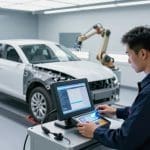
Why Technology Changes Collision Repair

Modern cars are amazing, full of advanced sensors and strong materials. When your car gets damaged, it needs more than a quick fix to be safe.
Following strict factory rules is key to make sure your car is safe again. At Miracle Body and Paint Collision Center, we know precision is a must.
Choosing an OEM certified collision repair place means your car gets the care it was meant to have. Skipping these steps can harm your car’s frame and safety systems.
You should feel confident that your car is fixed right. With OEM certified collision repair, every repair meets top standards.
Key Takeaways
- Modern vehicles need special knowledge to keep them safe.
- Following factory rules is vital for your safety.
- Miracle Body and Paint Collision Center uses approved methods.
- Correct fixing keeps your car’s value and performance up.
- Professional standards avoid hidden dangers after an accident.
The Evolution of Modern Vehicle Construction
Modern vehicle construction has changed a lot to keep you safe. Car makers focus on keeping you safe with smart engineering and design. This change affects how cars are made and fixed after accidents.
Advanced Materials and Structural Integrity
Today’s cars aren’t just made of metal anymore. They use strong steel, light aluminum, and special composites for better structural integrity. Each material acts differently in crashes.
Old repair methods don’t work well anymore. Specialized welding techniques are needed to keep the metal strong. Wrong tools or heat can harm the safety cage that protects you.
The Shift Toward Computerized Safety Systems
Modern cars are like moving computers. They have advanced sensors and cameras. Even small damage can mess with the car’s brain.
When the frame is off, sensors might not work right. This can cause problems with automatic braking or lane-keeping. Precision is non-negotiable for these systems. Repairs must follow factory guidelines to keep safety features working.
Understanding OEM Certified Collision Repair
When your car gets damaged, picking the right repair shop is key. Not all places fix cars the same way. Choosing an OEM certified collision repair shop means your car gets the care it needs from the brand that made it.
Defining Manufacturer Repair Standards
Every car maker has its own repair rules after a crash. These manufacturer repair standards are not just suggestions. They are key to keeping your car safe and sound.
Certified shops have the right tools and training to follow these rules. By choosing such a shop, you’re making your car safe for the long run. It stays as safe as when it was new.
Why Generic Repair Methods Fail Modern Vehicles
Generic fixes don’t work for today’s cars because they ignore the complex engineering. Modern cars use special materials and exact fits that generic fixes can’t handle. If a shop doesn’t follow manufacturer repair standards, it might make your car less safe in future crashes.
Using the wrong tools or old methods can cause problems. Shops without OEM certified collision repair might not have the latest repair info. Your safety should never be a guessing game. That’s why sticking to factory-authorized repairs is the best choice.
The Role of Advanced Driver Assistance Systems
Today’s cars are like computers on wheels, needing complex safety systems to keep you safe. These Advanced Driver Assistance Systems (ADAS) include features like automatic emergency braking and lane-keeping assist. Even a small crash can mess up the sensors that keep you safe.
When your car gets damaged, these sensitive parts can move from their correct spots. Using these systems without checking if they’re working right is very risky.
Calibration Requirements After Minor Impacts
Many drivers think if a sensor looks okay, it must work fine. But, precision is everything for car safety tech. Even a small mistake in a camera or radar unit can cause problems.
To make your car safe again, you need to get your sensors calibrated by a pro. This makes sure every sensor and radar beam is perfectly in line. Here are some systems that need attention after a crash:
- Forward-facing cameras for lane departure warnings.
- Radar sensors behind the front grille or bumper.
- Ultrasonic parking sensors in the bumper covers.
- Blind-spot monitoring systems in the rear quarter panels.
Risks of Improper Sensor Alignment
Not getting your sensors calibrated can be very dangerous. When these systems are off, they can send wrong info to the car’s computer. This can cause unpredictable behavior during important moments.
The table below shows the dangers of not fixing ADAS alignment after a crash:
| System Type | Potential Failure | Safety Impact |
|---|---|---|
| Automatic Braking | Delayed response | Increased collision risk |
| Lane-Keeping Assist | Erratic steering input | Loss of vehicle control |
| Adaptive Cruise | Failure to detect traffic | High-speed rear-end impact |
Getting your ADAS parts aligned right is not just a suggestion; it’s essential. By making sure your ADAS is calibrated, you keep yourself and others safe from faulty safety tech.
Structural Integrity and Crashworthiness

Modern cars use advanced engineering to handle crash energy. Each car has special paths to absorb impact and protect the inside. Following manufacturer repair standards is key to keeping your car safe.
How Factory Procedures Protect Occupants
The main aim of any repair is to make the car as safe as it was before a crash. Using factory-approved methods ensures the metal, adhesives, and fasteners work right in future crashes. This keeps the structural safety of the car’s frame, which is critical for your safety.
If a repair shop doesn’t follow these rules, the car might not be safe in another crash. Precision is not optional when it comes to your safety and the safety of your passengers. Using certified methods ensures the car’s systems work best.
The Danger of Improper Welding and Sectioning
Bad welding or sectioning can make the car weak and prone to failure. Pros use a frame machine to fix the structure back to its original shape. This is vital for keeping the car’s structural safety intact.
Incorrectly joining parts can risk the whole cabin’s safety. Always ask your repair shop to follow strict manufacturer repair standards to avoid these dangers. Your peace of mind relies on the quality of the work done under the paint.
The Impact of Repair Quality on Vehicle Value
Investing in top-notch collision repairs protects your car’s value for years to come. Today’s buyers do their homework, checking a car’s history before buying. Quality workmanship shows you’ve cared for your vehicle well.
Maintaining Resale Value Through Proper Documentation
Having detailed repair documentation proves your car was fixed right. A certified shop gives you records that show every repair step. These documents prove your car’s quality, raising its resale value.
- Shows OEM parts were used.
- Confirms safety systems were checked.
- Wins trust from future buyers or dealers.
Avoiding Diminished Value Claims
Bad repairs can hide problems, leading to diminished value claims. Shortcuts in repairs lower your vehicle value because they question the car’s safety. Choosing certified repairs keeps your vehicle value safe from bad repair marks.
The table below shows the difference between certified and non-certified repairs:
| Feature | Certified Repair | Non-Certified Repair |
|---|---|---|
| Documentation | Full, detailed records | Minimal or missing |
| Resale Impact | Maintains market value | Significant depreciation |
| Safety Standards | Factory-approved | Often compromised |
Consistent repair documentation keeps your investment safe. Don’t let a crash hurt your vehicle value by choosing anything less than professional, certified care.
Insurance Industry Pressures and Repair Shortcuts
Dealing with insurance claims can feel like a fight between your safety and money. You want your car fixed right, but often, companies look to save money instead of following the rules.
The Conflict Between Cost-Cutting and Safety
Insurance companies and car repair rules often clash. They might want to use cheaper parts or methods to save money. This can lead to safety issues.
Choosing cheaper options can harm your car’s safety. Your safety should never be a negotiable item in a financial deal.
Advocating for Your Right to Quality Repairs
You have the right to have your car fixed the way it was made. Don’t let an adjuster push you into a bad repair just to save money.
Always ask for OEM-certified procedures. This keeps your car safe and sound. Knowing about insurance claims and repair quality helps you protect your investment.
Technological Advancements in Collision Diagnostics
Did you know your car’s health is hidden in digital code? Modern cars are complex networks of sensors and modules. They need more than a visual check to be assessed.
By using diagnostic scanning, techs can find issues that are invisible. This helps them fix problems that you can’t see.
Pre-Repair and Post-Repair Scanning
The repair starts with a scan to find all fault codes. This first step helps the tech know the full damage before starting work. Precision is vital to avoid missing electronic problems.
After repairs, a final scan is needed to check everything works right. This ensures all sensors are set up correctly and there are no errors left. Skipping this could mean driving with safety features not working.
Identifying Hidden Damage Through OEM Data
Using OEM repair methods is key to getting your car back to factory safety. Manufacturers give special data for techs to follow. This data helps find hidden damage that might be missed.
By mixing OEM repair with diagnostic scanning, repair shops can be very accurate. This approach keeps your car safe and your investment secure. You’ll know your car is fixed right, thanks to expert care.
The Importance of Specialized Technician Training

Your car’s safety is in the hands of the person fixing it. Today’s cars are complex, with sensors, computers, and new materials. So, technician training is key to getting your car back safe and sound.
Continuous Education for Modern Vehicle Platforms
Car tech advances fast. Car makers often update how to fix them. Without continuous education, a tech might use old methods that don’t work.
Keeping up means more than just experience. It’s about a lifelong learning commitment. Shops that train regularly make sure their team knows the latest tools and methods. This is vital for vehicle safety you expect.
Why Certification Matters for Complex Repairs
Certification shows a tech’s skills and knowledge. If a tech is certified by a car maker, it means they know the car’s unique parts. This knowledge is what makes a repair safe.
Even good intentions can lead to significant safety failures without the right training. Choosing a place that values certified techs keeps you and your family safe. Properly trained technicians make sure every fix meets factory safety standards.
OEM Repair Procedures Versus Aftermarket Parts
When your car goes to the shop, the parts used are key to its reliability. Choosing between factory-approved parts and generic ones is a pivotal decision. It affects your safety on the road. Knowing the difference helps you make a smart choice for your money.
Fitment Issues and Structural Compatibility
Aftermarket parts often have poor fitment. This leads to gaps that harm the structural compatibility of the car. These gaps can stop safety systems from working right in future crashes.
Also, non-standard parts can mess up the car’s energy-absorption zones. If a part is too rigid or too soft, it won’t collapse right in a crash. This puts you and your passengers at significant risk by changing the car’s crash dynamics.
Ensuring Parts Meet Original Safety Specifications
OEM parts are made to match your car’s exact specs, fit, and performance. By choosing an OEM repair, you ensure everything works together perfectly. This is key for keeping your car safe.
Choosing the right parts also affects your vehicle value over time. High-quality repairs with original parts keep your car’s value high. This investment protects your vehicle value and keeps your car reliable for years.
| Feature | OEM Parts | Aftermarket Parts |
|---|---|---|
| Fitment | Guaranteed Precision | Often Inconsistent |
| Safety Testing | Rigorous Factory Standards | Variable Quality |
| Warranty | Manufacturer Backed | Limited or None |
Choosing an OEM repair is the best way to get your car back to its pre-accident state. While aftermarket parts might seem cheaper, they often cause hidden costs and safety issues. Always check that your repair shop uses parts that meet the original manufacturer’s safety standards.
Legal and Liability Implications of Substandard Repairs
Substandard repair work can lead to big legal and financial problems for car owners. When a shop doesn’t follow the factory’s rules, they take on a big liability. You should feel sure that your car is fixed right and safe to drive.
The Responsibility of the Repair Facility
Every repair shop has a legal duty to make your car safe and roadworthy. If they ignore the manufacturer’s guidelines, they’re doing negligent workmanship. This can cause serious problems later on.
If an accident happens because of bad repairs, the shop might be blamed. Professional accountability is key in the collision repair world. Shops that rush repairs without caring about safety often face big legal issues.
Protecting Yourself from Negligent Workmanship
You can protect yourself from bad repair practices. Always ask for a detailed invoice that shows every repair done on your car. This helps keep your vehicle value up and proves the shop did things right.
Always verify that your chosen shop is certified and uses real parts. By making sure all work is documented and done by experts, you lower your risk of legal trouble. Choosing a shop that cares about your safety is the first step to protecting your rights.
The Consequences of Ignoring Manufacturer Guidelines
Not following your car’s maker’s instructions can be very dangerous. Repair shops that skip manufacturer repair standards might make your car unsafe. These hidden dangers can harm you and your family.
Choosing quick fixes over careful repairs can lead to big problems later. You should know your car stays reliable, just like when it was new.
Long-Term Mechanical and Electrical Failures
Today’s cars have many parts, like sensors and computers. If a technician doesn’t follow the right steps, they might damage something important. This can cause problems that don’t show up right away.
These issues might start with small electrical problems or big mechanical failures. You could see warning lights, have trouble with your engine, or even face a complete system failure while driving.
Compromised Performance in Future Collisions
The worst part is how ignoring repair rules can hurt your car’s safety performance. Every repair is done to keep you safe in an accident.
If a shop doesn’t use the right methods, your car might not protect you as well in a crash. This could mean airbags not working right or the car’s body not holding up when it should.
| Repair Aspect | Following OEM Standards | Ignoring OEM Standards |
|---|---|---|
| Structural Integrity | Maintains crash energy absorption | Risk of cabin collapse |
| Electrical Systems | Full sensor functionality | Hidden faults and errors |
| Safety Performance | Optimal occupant protection | Increased injury risk |
| Long-term Value | Retains vehicle reliability | Frequent mechanical issues |
Industry Trends in Collision Repair Transparency
The world of car repairs is changing fast. With cars getting more complex, people want to know exactly what’s happening. Now, you can expect clear, detailed updates from repair shops.
Digital Documentation of Repair Processes
Today’s car repair shops use digital systems instead of paper. These systems track every step of the OEM repair process. This includes checking each part to make sure it’s safe and meets the manufacturer’s standards.
This digital record proves the repair was done right. It shows that your car was fixed with care and precision. You can trust that your car is safe and well-maintained.
Consumer Access to Repair Records
Knowing your car’s repair history is important. With clear records, you can see if repairs were done correctly. This keeps your car safe and your investment secure.
Having a detailed repair history also helps when selling or trading your car. Buyers like to see proof of professional work. This can keep your car’s value high.
| Feature | Traditional Methods | Modern Digital Standards |
|---|---|---|
| Documentation | Paper invoices only | Comprehensive digital logs |
| Verification | Trust-based | Evidence-based reporting |
| Accessibility | Limited or lost | Instant cloud access |
| Safety Proof | Often missing | Full scan and calibration data |
The Miracle Body and Paint Collision Center Commitment
At Miracle Body and Paint Collision Center, we focus on your peace of mind. We know your vehicle is a big investment. Our team works hard to make it look like new again.
Choosing an OEM certified collision repair facility means your car gets the right care. This keeps its safety features working well.
Our Dedication to Factory-Approved Methods
We follow the maker’s rules for every car we fix. Our techs use the latest tools and factory-approved procedures. This ensures your car stays safe and runs right.
Using OEM certified collision repair helps us find damage others might miss. We don’t take shortcuts for your safety. Our goal is to fix your car well, inside and out.
Serving the San Antonio Community with Integrity
Integrity is key for us, and we’re proud to serve San Antonio with honesty. No matter if you visit us in Leon Valley or North East San Antonio, you get top service. Contact us to talk about your car’s needs and see our service for yourself.
- Leon Valley: 6217 Grissom Rd., San Antonio, TX 78238 | (210) 680-1987
- North East San Antonio: 4650 Walzem Rd, San Antonio, TX 78218 | (210) 858-3630
| Repair Feature | Standard Shop | Miracle Body and Paint |
|---|---|---|
| Repair Protocols | Generic Methods | OEM Certified Collision Repair |
| Technician Training | General Automotive | Manufacturer Specialized |
| Safety Focus | Cost-Driven | Integrity-Driven |
Conclusion
Your car is a big investment that needs expert care to keep it running well. Quality collision repair makes sure every part works right, just like the maker planned.
Driving should always feel safe. Keeping your car’s safety systems in top shape is the best way to protect your loved ones on the road.
Miracle Body and Paint Collision Center is here to fix your car to its original state. Our team uses careful methods to fix your car’s damage with the care you expect.
Stop by our North West San Antonio location at 6217 Grissom Rd., Leon Valley, TX 78238, or call us at (210) 680-1987. For our North East San Antonio shop, visit 4650 Walzem Rd, San Antonio, TX 78218, or call (210) 858-3630.
Count on our experts to focus on your car’s safety at every step of the repair. We’re excited to get you back on the road feeling confident.

