
Getting a Rental Car After an Accident: What San Antonio Drivers Need to Know
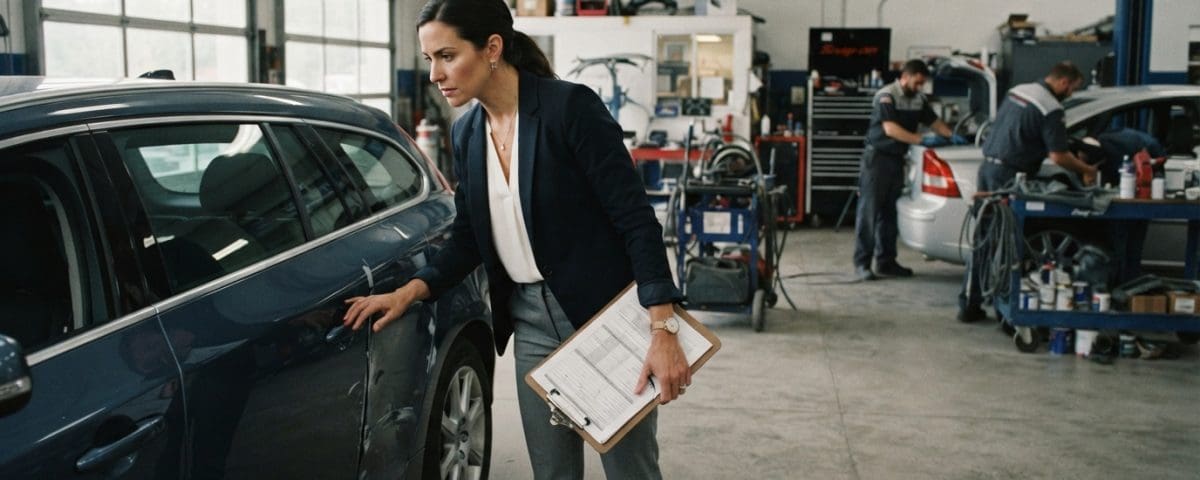
A collision repair can look finished while leaving you unsure how the work will hold up over time. After an accident, you may wonder whether your vehicle is safe and whether damage will show again. That uncertainty matters when you choose a collision center to repair it.
Workmanship means the quality of the repair labor and techniques used to complete the work. Miracle Body and Paint Collision Center is a San Antonio option for drivers seeking collision damage repairs backed by a lifetime warranty. The written warranty’s scope matters more than the word lifetime alone. A lifetime warranty can offer recourse if a covered repair defect appears later.
The document should explain which work qualifies and how you can ask the collision center to correct a defect. It may also set rules about ownership, claims, and damage that does not relate to the repair. Those details shape the promise you can rely on.
Your vehicle needs work that supports its appearance and safe use on the road. Before you agree to repairs, learn what the written terms say and keep a copy. This overview clarifies what a collision repair warranty may cover before explaining its limits.
Key Takeaways
- A lifetime label does not explain every coverage term.
- Read the written warranty before authorizing repairs.
- Ask how to report a possible repair defect.
- Keep your estimate and final repair paperwork.
- Confirm terms for your vehicle with the collision center.
What Does Lifetime Warranty Collision Repair Cover?
A repair warranty generally concerns defects in the work the shop performed, not every problem that later appears on your vehicle. The written scope decides which repairs qualify and what the collision center must do. A warranty may cover workmanship defects when the written terms include that work.
Repair goals can include restoring the vehicle’s appearance and safety after collision damage. Warranty language sets the shop’s duty if a covered repair fails. Read the written terms rather than treating the word lifetime as a full list of covered services.
Bodywork and paint refinishing
A policy may cover defects in body labor, such as cracking or flaking linked to poor workmanship. It may also address paint refinishing labor when the finish peels, cracks, or develops hazing because of a repair defect. These examples describe possible policy terms, not Miracle Body and Paint Collision Center’s specific coverage.
Ask whether the written warranty covers the labor used to shape, fit, or refinish a body panel. A panel that shifts or paint that peels can raise questions about the repair. The policy should explain how the collision center decides whether workmanship caused the problem.
Paint and body repairs may involve several steps, from surface preparation to applying finish materials. A clear warranty states which steps fall within its scope. It should not leave you guessing whether a visible flaw counts as a covered defect.
Parts and collision-related mechanical work
A written policy may cover installation labor for replacement parts or mechanical repairs directly tied to collision damage. The parts themselves may have separate terms from their manufacturer. Ask which promise applies to the labor and which applies to the part.
For example, a warranty could address how a replacement part was installed, while a manufacturer’s terms address a defect in that part. Those are different issues. The estimate and warranty should help you identify who handles each concern.
Collision repairs can involve mechanical work when the accident affects vehicle systems. A policy may address the labor for that work, but its written wording controls. Ask the collision center to explain any unclear terms before authorizing the repair.
Possible coverage categories can help you frame questions, but they do not set your rights by themselves. The actual written terms define the work, defects, and repair steps involved. Those same terms may narrow or set limits on the promise.
Which Warranty Terms Can Limit Your Coverage?
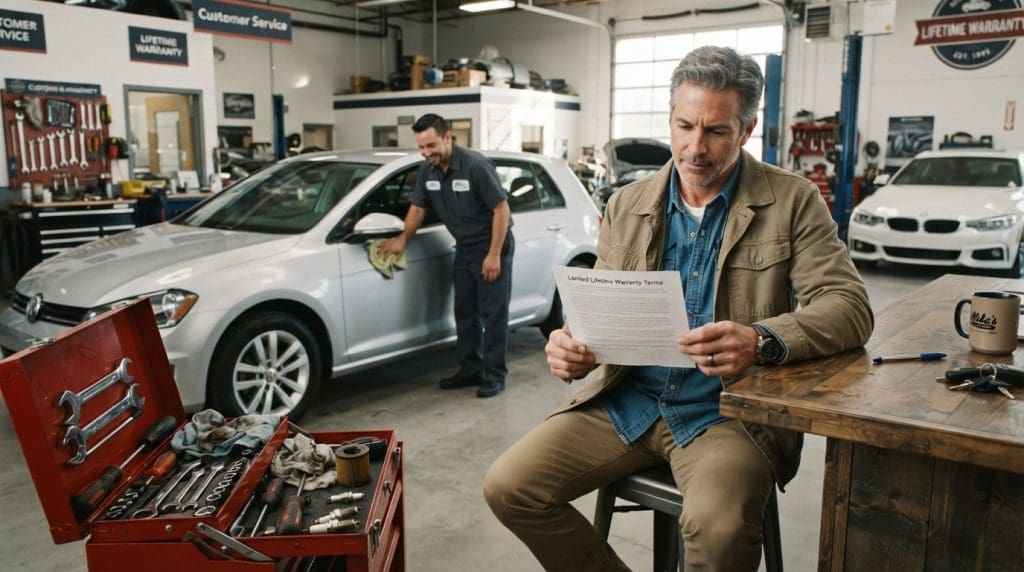
A lifetime label can still come with boundaries on who is covered, what caused the problem, and how soon you must report it. Read each condition before you rely on the promise. The written policy, not the label, sets the practical limits.
Some policies cover workmanship for as long as the customer owns the vehicle. Others set shorter periods for certain work. These examples describe terms that may appear in written policies, not Miracle Body and Paint Collision Center’s policy.
Ownership, duration, and claim procedures
Some collision-related mechanical labor policies list 12 months or 12,000 miles. Front-end alignment terms may list 3 months or 3,000 miles. A limited lifetime promise may end when you sell or transfer the vehicle.
Check who can make a claim and when coverage ends. A warranty may apply only while you own the vehicle, so a later owner may not receive the same protection. Ask the collision center to explain the owner eligibility terms in writing.
Claim steps can affect how easily you get help. Some policies require you to bring the vehicle to the repair provider’s business for an inspection. The terms may also set a time or mileage limit for specific work.
Ask what records to bring when you report a possible defect. Keep the estimate, final invoice, and warranty with your vehicle records. A clear process tells you where to go and what information the collision center needs.
Exclusions and post-repair care
A workmanship defect is different from unrelated damage that happens later. Common exclusions include a new accident, neglect, environmental damage, and repairs attempted by another provider. Ordinary chips and scratches may also fall outside the warranty.
Finish care can have its own conditions. One set of instructions advises avoiding automatic car washes, brushes, high-pressure sprayers, wax, and silicone products for 60 days after pickup. Follow the care instructions in the actual policy you receive.
Ask the collision center whether a specific issue falls within the written terms before arranging outside work. Another provider’s repair attempt may affect coverage under some policies. Keep notes about when you noticed a concern and what you did next.
Duration, transfer rules, claim steps, and exclusions all shape the value of a warranty. The examples here are not universal standards or a statement of Miracle Body and Paint Collision Center’s terms. Compare the warranty language and supporting documents before choosing a shop.
How Can You Compare an Auto Body Shop’s Warranty?
Before comparing promises, put the proposed repair scope beside the written warranty and check whether they describe the same work. Matching documents can show where a gap needs an answer. Ask for clear written terms before you authorize repairs.
Review the estimate, warranty, and insurer paperwork as separate records. Each can describe a different part of the repair plan. The table highlights what to compare.
| Document or record | What it clarifies | What to check |
|---|---|---|
| Written warranty | Covered work and defect definitions | Owner eligibility, exclusions, duration, claim location |
| Repair estimate | Planned repair operations and replacement parts | Whether listed work matches the damage |
| Insurer paperwork | Approved repair scope and payment responsibilities | Unresolved differences between approved scope and shop estimate |
Check whether the estimate describes the work needed for the damage you reported. If the insurer paperwork lists a different repair scope, ask what remains unresolved. Do not assume that an estimate and an insurer approval say the same thing.
Ask who supplies replacement parts and what manufacturer coverage applies to them. The manufacturer’s terms may differ from the collision center’s workmanship warranty. Ask which workmanship questions the collision center will answer in writing.
Certifications, equipment, and insurer arrangements can affect your decision, but do not assume a shop has any particular credential or setup. Ask for details that matter to your repair and check the answer. A written reply gives you a record to compare with the estimate.
The documents should fit together: the estimate describes planned work, while the warranty explains its promise. Raise unclear points before you sign or approve the work. Then gather the records and questions that will help you prepare for the repair.
What Should You Prepare Before Authorizing Repairs?

A few records gathered before the repair can make it easier to compare the estimate with the work you approved. Good records help you describe the accident and track the planned service. Save the written terms and repair paperwork from the start.
Photos and vehicle details can give the collision center a clearer view of the damage. Collect the information you already have, then ask about anything missing from the estimate. Use the table as a simple preparation list.
| Step | What to gather | Why it helps |
|---|---|---|
| Document damage | Photos and accident details | Helps describe visible damage |
| Request an estimate | Vehicle information and repair needs | Clarifies proposed work and cost |
| Confirm parts and materials | Estimate’s parts and materials details | Identifies what is being installed |
| Save written terms | Warranty and insurer documents | Records agreed coverage and responsibilities |
Photos can show where chips, dents, or broken parts appear before work begins. Share the accident details you know, and point out concerns that may not show clearly in a picture. The collision center can review the vehicle to assess its needs.
Read the estimate for the planned work, parts, materials, and cost. If an item is unclear, ask what it means and whether it addresses the damage you reported. Keep any updated estimate with the earlier version.
Use this checklist before you approve the work:
- Ask for the written warranty before authorizing work.
- Confirm what defects are covered.
- Ask how to submit a claim.
- Keep the estimate and final repair paperwork.
Confirm that the documents you keep match the work you approved. That record can help you track the service and raise questions later. With your details ready, you can contact a local collision center and ask about its terms.
How Do You Book Collision Repair in San Antonio?
If your vehicle needs collision work in San Antonio, contact the location that is convenient for you and ask for the written warranty terms. Ask before approving repairs so you can understand the current terms and covered work. Miracle Body and Paint Collision Center offers lifetime warranty collision repair in San Antonio.
If you search “lifetime warranty collision repair near me,” compare nearby providers by reading their written terms. Confirm the work included for your vehicle with the collision center before you authorize service. Ask for an estimate and keep its details with the warranty paperwork.
Call the location that works best for you. Share what happened, describe the visible damages, and ask how the collision center will review your vehicle. Mention if you have a long vehicle that may need extra room for inspection or transport.
Miracle Body and Paint Collision Center has two San Antonio locations:
- North West San Antonio, Leon Valley | (210) 680 -1987 | 6217 Grissom Rd., San Antonio, TX 78238
- North East San Antonio | (210) 858-3630 | 4650 Walzem Rd, San Antonio, TX 78218
When you call, ask what information the team needs to prepare an estimate. You can also ask which services apply to your collision damage and request the written warranty terms. The current document should explain what work it covers.
Bring your questions about the repair scope, parts, and materials to the conversation. A clear answer can help you understand the work before you approve it. Call either location to arrange an estimate with Miracle Body and Paint Collision Center.
Conclusion
Choose a collision center whose written terms you understand before you authorize repairs. A warranty can help if covered work develops a defect, but its value depends on clear terms. Read the details before the repair begins.
Confirm the covered work, exclusions, and claim steps for your vehicle. Keep the warranty with your estimate and final paperwork. That gives you a clear record of the repair and the promise made.
For collision damage on your vehicle, contact Miracle Body and Paint Collision Center. Ask about the written terms and arrange an estimate, then hire Miracle Body and Paint Collision Center to fix the collision damage on your vehicle.