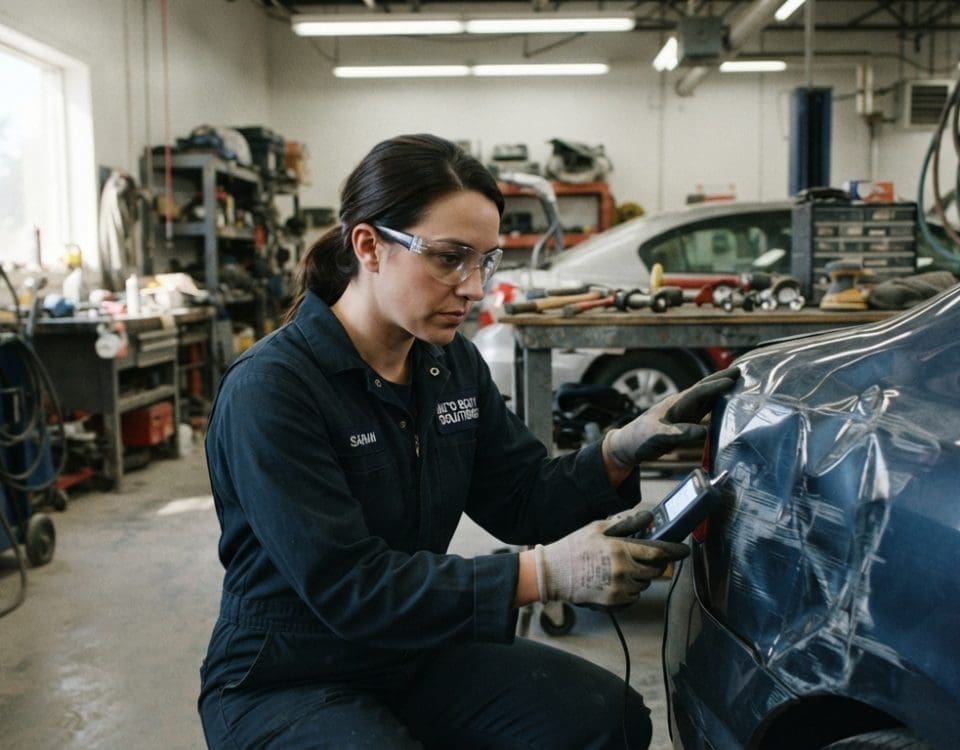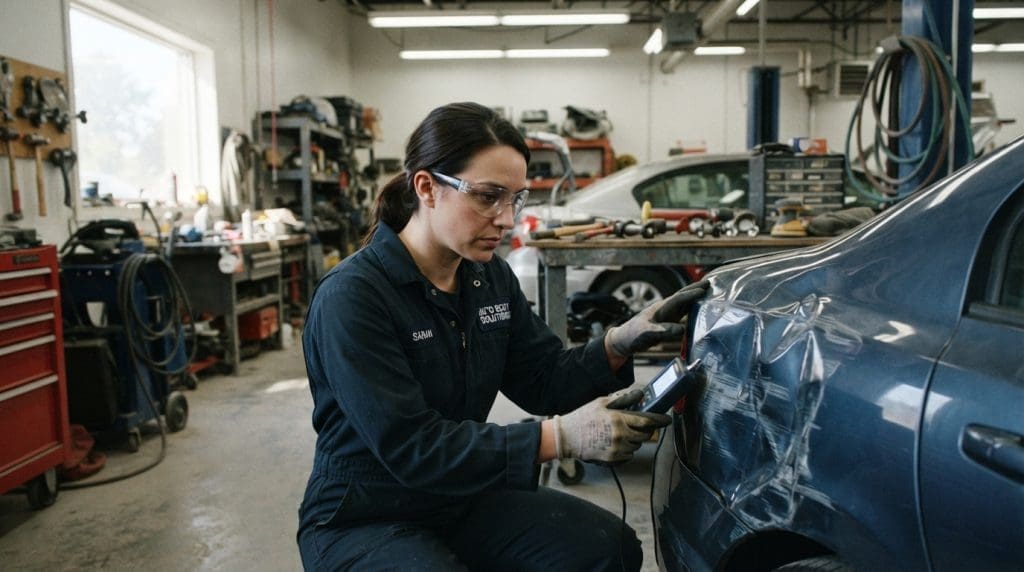
From Accident to Like-New: Understanding the Collision Repair Process
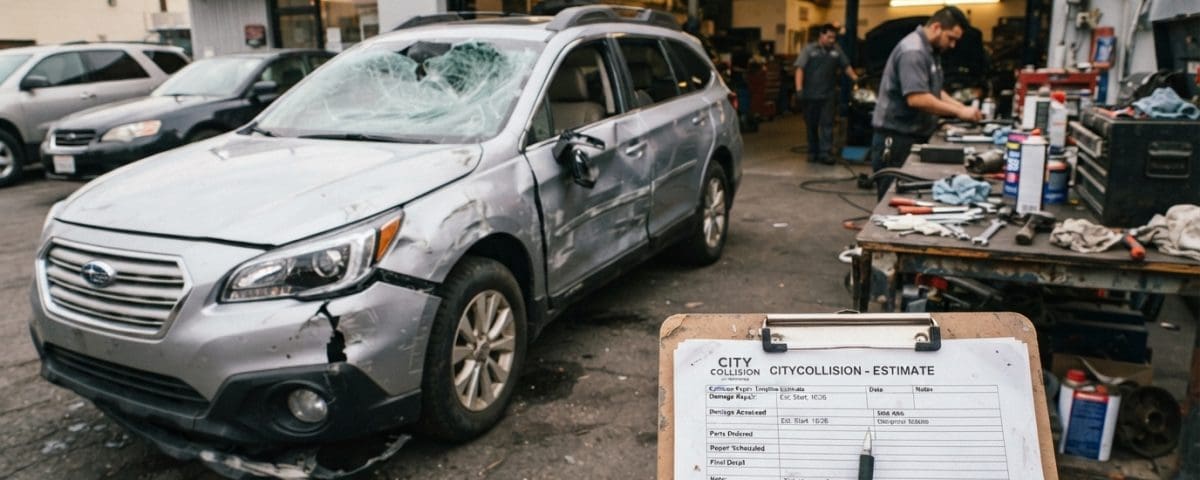
A collision repair timeline can range from a few days for simple work to weeks or months for severe damage. If an accident has left you without your car, you need a useful time estimate to plan work, travel, and daily tasks.
The shop can refine its estimate after inspecting and disassembling your vehicle. Any early return date is an estimate, not a guarantee. Damage, parts, and approvals can change the schedule as work moves forward.
The information here can help you plan, even though no estimate can promise an exact pickup date. The repair ranges below show what common jobs and different damage levels may involve.
Key Takeaways
- Simple bodywork may take a few days.
- Severe or widespread damage can require weeks or months.
- An inspection and disassembly can make the estimate more accurate.
- Parts and approvals can affect your return date.
- Ask the shop for updates as the job changes.
How Long Can Different Collision Repairs Take?
A small paint repair may take a day or two, while a front-end impact can affect several systems. The range is wide, since a collision repair depends on the type and amount of damage.
These damage-level estimates help with planning, but they are not promises. Repair complexity and parts availability can change the time needed. Use the table to compare common jobs.
| Repair type | Typical time | Timing note |
|---|---|---|
| Windshield replacement | 20 minutes to 2 hours | ADAS calibration may be needed |
| Minor cosmetic bodywork | 1-2 days | Scratches, shallow dents, or chipped paint |
| Bumper repair or replacement | One day for repair, up to three days for replacement | Replacement timing can depend on stock |
| Internal engine or transmission components | Up to two weeks | Connected parts may need removal |
| Multiple damaged components | At least one month, sometimes several months | Extent and complexity affect duration |
As a broad guide, light damage may take 2-4 business days, and moderate damage may take 5-10 business days. Heavy structural damage can take 2-4 weeks; catastrophic damage may take 4-8 or more weeks, or the vehicle may be declared a total loss.
Minor auto body work often takes 1-2 days. A car repair time estimator can offer a rough starting point, but it cannot inspect hidden damage or confirm parts supply.
If you ask, “how long does it take to fix a front end collision,” the answer depends on the impact. A front-end collision can mean a short cosmetic job or weeks of work when structural or multiple-part damage is involved.
Vehicles with several damaged components usually need at least a month in the shop, and complex repairs can last several months. These ranges make more sense once you know what happens between drop-off and pickup.
What Happens During the Collision Repair Process?
A vehicle may arrive with a damaged bumper that looks straightforward, until disassembly reveals more work. The repair plan becomes clearer as technicians inspect the car and uncover what the impact affected.
Technicians move from inspection to repairs, then finish with checks before handover. This sequence gives you a clearer car collision repair timeline as the shop learns more about the job.
Inspection, Disassembly, and Blueprinting
Technicians first inspect visible damage, then remove affected panels to see what lies behind them. They record hidden damage and list the parts needed for the work.
A blueprint is a detailed inspection and repair plan created after damaged areas are disassembled so hidden damage and required parts can be identified. The blueprint gives the shop a fuller view than a quick look at the outside.
A body shop repair process flow chart might show these steps in order, but each vehicle has its own needs. The shop can update the plan when disassembly reveals more damage.
Parts, Structural Work, and Body Repairs
Once the shop confirms the parts list, it sources the needed components. Technicians then repair or replace damaged body parts and address structural issues, such as a bent frame.
Structural work may involve measuring and straightening the frame. Technicians also repair damaged panels and components before preparing the vehicle for paint.
The repair process follows the blueprint, though new findings can change the work. This is one reason the collision repair process takes shape in stages rather than from the first visual estimate alone.
Paint, Calibration, and Final Checks
After body repairs, technicians prepare and paint the repaired areas, then reassemble the vehicle. They match the finish and check that the panels fit as intended.
Vehicles with ADAS may need calibration after repairs. Calibration sets the cameras and sensors so they can read the road correctly, and it may require specialized equipment.
Before handover, technicians check that the cameras and sensors work as intended. The shop also completes safety checks and a final road test or quality check, then reports that the vehicle is ready.
That sequence explains what the shop does, while outside factors can interrupt or extend the work.
What Affects Your Collision Repair Timeline?
A cracked bumper can hide damage to the parts behind it. Hidden damage may add work that was not visible during the first inspection.
Disassembly can uncover damage missing from an initial estimate. The shop may then submit a supplement, meaning additional repairs sent to the insurer for authorization. A supplement review may add 1-3 days.
Hidden Damage and Additional Repair Approval
Damage behind bumper covers or body panels can affect supports, wiring, or other components. The shop needs to document those findings before it can complete the repair plan.
Frame straightening alone can take 1-3 days. More extensive frame work may add time, depending on the damage and the equipment and staff available.
A supplement can also require insurer review before added work moves ahead. The review period depends on the claim and the information submitted.
Parts, Technician Capacity, and ADAS Calibration
Parts that are out of stock or backordered can hold up a repair. Some specialty parts take weeks to arrive, especially when the shop must source them from elsewhere.
Shop workload matters, too. A busy schedule can affect when technicians begin each task, even when your parts have arrived.
ADAS-equipped vehicles may need extra time for sensor and camera calibration. The equipment must confirm that these safety systems work correctly before the vehicle returns to you.
Hidden damage, parts, workload, and calibration all shape the schedule. Insurance authorization is another possible delay, so it helps to know how claims and approvals affect the job.
How Do Insurance and Claim Approvals Affect the Schedule?

Insurance approval and complete claim paperwork can affect when the shop is authorized to proceed. Timing depends on the claim details and the decisions that remain open.
The shop needs the insurer’s approval before it begins insurance-funded work. Policies can differ on coverage, allowable parts, covered damage, and liability. Missing or incorrect claim paperwork can delay the process.
What the Insurer Needs to Approve
The insurer reviews the estimate and the claim information before authorizing covered repairs. If the shop finds added damage, it may need to send a supplement for review.
You can ask which decision or document is still needed. There is no single decision deadline that applies to every claim, so the shop or insurer can explain the current status.
| Claim stage | Who needs to act | Useful next step |
|---|---|---|
| Initial estimate approval | Insurer and repair shop | Ask whether the estimate has been reviewed |
| Paperwork completion | You and insurer | Confirm requested documents were received |
| Added damage or supplement review | Repair shop and insurer | Ask what documentation or authorization is outstanding |
What to Do When the Claim or Timeline Stalls
If the job seems to pause, ask the shop whether it is waiting for a decision, a document, or other information. Then contact the insurer to confirm what it still needs from you or the shop.
Keep a record of the questions you asked and the answers you received. This can help you follow up with the right person without guessing about the claim’s status.
Insurer-controlled steps can affect the schedule, but you can also take direct steps with the shop to keep communication clear.
What Can You Do to Keep Repairs Moving?
Quick replies can prevent unnecessary pauses between repair stages. Your response time matters when the shop needs a decision or detail from you.
You can reduce avoidable waiting, though you cannot control every delay. Parts supply, safety procedures, and the shop’s workload remain outside your control.
- Reply promptly when the shop asks you to make a decision.
- Ask what information the insurer still needs from you.
- Tell the shop early about a firm travel or work deadline.
- Ask whether parts can be ordered once the repair plan is confirmed.
- Request updates at meaningful milestones, such as inspection or paint completion.
Repair scheduling may be easier during non-peak periods, but each shop sets its own availability. Ask whether your preferred drop-off date fits its current schedule.
These steps can help you avoid preventable pauses without rushing safe work. A realistic estimate and clear updates start with the shop you choose.
How Do You Find a Collision Repair Shop Near You in San Antonio?

If you need a dependable return date before choosing where to take your vehicle, ask how the shop sets its schedule. A clear conversation can help you compare local options.
A photo-based estimate may miss damage that appears only during a physical inspection and teardown. Ask when the shop can inspect your vehicle and update its estimate.
Ask How the Shop Builds and Updates Its Estimate
When searching for collision repair near me in San Antonio, look for a shop that explains how it handles changing repair needs. Ask how the shop will tell you when the schedule shifts.
Use this checklist before you authorize work:
- Ask whether the estimate changes after disassembly.
- Ask how the shop handles supplements.
- Ask when and how you will receive timeline updates.
- Ask whether required ADAS calibration and safety checks are included.
A useful auto body repair estimate should reflect the inspection findings and explain what remains uncertain. Ask when you can expect an updated schedule after the shop sees the damage up close.
Confirm Communication and Repair-Shop Choice
Choose a shop that can explain who will contact you and how often. Clear updates help you plan if parts, added work, or safety checks affect the return date.
You may choose the repair shop even if your insurer recommends other options. Coordinate with the insurer about coverage and payment before authorizing work.
Ask whether the technicians can complete the needed repairs and any required calibration. A direct conversation about the estimate and schedule gives you a useful starting point for planning.
Conclusion
An accurate schedule starts with a shop inspection and a conversation about the damage. The clearest timeline comes after the vehicle is inspected and hidden damage is assessed.
For collision damage on your vehicle, contact Miracle Body and Paint Collision Center at either San Antonio location:
North West San Antonio, Leon Valley: 6217 Grissom Rd., San Antonio, TX 78238. Call (210) 680-1987.
North East San Antonio: 4650 Walzem Rd, San Antonio, TX 78218. Call (210) 858-3630.
Contact Miracle Body and Paint Collision Center to fix the collision damage on your vehicle and discuss a repair estimate.