


What Happens to Airbags and Safety Sensors After a Car Accident?
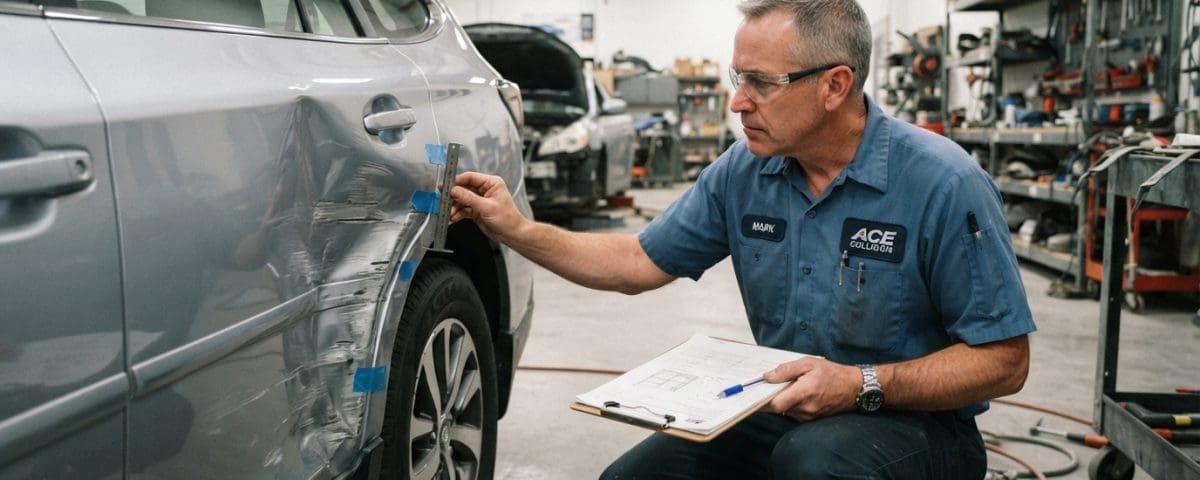
A collision can affect hidden vehicle structures and safety technology as well as visible panels. Modern vehicles may need more than cosmetic work after a crash. The right repair approach depends on your vehicle and the damage, not just what you can see. That difference matters when you are choosing a shop and reviewing a repair plan.
Manufacturer-aligned work can help a shop follow repair procedures made for your vehicle. Yet a credential alone does not prove every repair outcome or promise warranty coverage. You can assess a shop’s credentials, repair procedures, estimate, and communication before deciding where to take your vehicle. Ask how the proposed work fits your vehicle and its documented damage.
Key Takeaways
- Match a certification to your vehicle make and repair location.
- Ask which manufacturer procedures apply to the planned work.
- Review parts, system checks, and changes in the estimate.
- Confirm insurance and warranty questions with the right parties.
- Request clear updates and records as repairs move forward.
What Does OEM Certified Collision Repair Mean?
OEM stands for Original Equipment Manufacturer, and the term identifies the company that made the vehicle or its original equipment. In collision repair, an OEM part comes through that vehicle manufacturer’s parts channel. OEM certified describes a shop’s connection to a maker-specific repair program, not a universal industry label.
A manufacturer certification generally shows that a shop meets that maker’s stated program requirements. Those requirements may cover training, repair procedures, tools, equipment, and other shop practices. The exact standards depend on the manufacturer and its program.
A certified collision repair shop may have access to manufacturer repair information and training for certain vehicles. The credential may also require particular equipment or proof that the shop follows set procedures. These conditions can help you understand what a program checks, but they do not promise that every repair will turn out the same.
Manufacturer certifications differ by brand. A shop approved for one manufacturer may not hold approval for another. A credential also may not cover every vehicle, model year, or type of repair from that maker.
General technician training is different from a shop-level OEM certification. A technician may have completed a course or earned an industry credential without the repair facility being approved by a vehicle manufacturer. The shop’s status and a technician’s training answer separate questions.
Ask what the credential means in practical terms. Find out which locations, vehicles, and repair types it covers. A label such as “certified” does not tell you whether the shop follows the right standards for your specific job.
No one certification proves every repair outcome, guarantees vehicle safety, or settles a warranty question. The repair still depends on the damage, the applicable procedures, the parts, and the work completed. Certification is one useful factor, not proof of every result.
Knowing what a credential covers helps you judge a shop’s claim. Next, match that claim to your vehicle and the work your collision repair requires.
How Can You Verify a Shop’s OEM Certification?
A certification claim is useful only if it applies to the vehicle and work in front of you. Check the details with the shop and, when needed, the manufacturer’s current program information. A broad “certified” label alone does not establish OEM approval.
No specific OEM certification list is available for Miracle Body and Paint Collision Center. Confirm the facility’s current certification for your vehicle’s make and model directly before relying on a claim.
Check the certification against your vehicle’s make
Start with your vehicle brand, then ask which manufacturer program the shop holds. Ask whether the exact location doing the work is included. A chain or group may have more than one location, and credentials can differ among them.
Confirm that the certification applies to your vehicle make, not simply to another brand the shop repairs. Ask whether the program covers your model and the type of collision work you need. Those details can narrow a general claim to your actual repair.
Ask what the credential covers
Find out which training, tools, equipment, and repair procedures the credential requires. Then ask whether those requirements apply to the planned work on your vehicle. Certified technicians may have relevant training, but their training does not by itself confirm a facility’s OEM status.
Request the repair plan and any relevant procedure references. A shop should be able to explain which guidance supports the proposed operations. If its answers remain vague, ask for clarification before you approve the work.
Use this checklist when you speak with a shop:
- Verify the manufacturer and the repair location.
- Confirm the certification applies to your vehicle make.
- Ask which training, tools, and repair work it covers.
- Request the relevant repair plan and procedure references.
A relevant credential helps show that a shop follows a maker’s program, but the claim needs context. Manufacturer procedures aim to preserve how vehicle structures and safety technology should work.
Why Does Manufacturer-Specific Repair Matter for Safety?
A small visible impact does not always reveal what happened to the structure or technology behind the panel. Hidden effects can change the repair needs, even when a dent looks minor. The required work depends on the vehicle and damage, not simply the dent’s size.
Modern vehicles may use high-strength structural materials, cameras, sensors, radar-based safety technology, and complex electronic systems. A shop needs to assess the affected areas and apply the methods that fit the vehicle and repair.
Structural materials need the right repair method
Vehicle frames and body structures can use different materials and designs. Some materials need specific repair methods, tools, or limits. A method that works on one vehicle may not suit another vehicle’s structure.
An incorrect repair method can compromise the structure’s intended performance. That concern is one reason to ask whether the repair plan follows applicable manufacturer instructions. The plan should reflect the damaged area and material, not a generic approach.
Damage behind a panel may not appear until a technician inspects or removes parts. A bumper cover, for example, can hide damage to components behind it. The shop should document new findings and explain any changes to the repair scope.
Safety technology depends on correct repair work
Collision damage or repair work can affect cameras, sensors, radar, wiring, and connected electronic systems. A system may need inspection or testing even when the dashboard shows no warning. A clean panel does not prove that nearby technology works as intended.
The repair plan may call for system checks or calibration after affected parts are repaired or replaced. The exact steps depend on the vehicle and the damage. Not every vehicle needs the same checks after a similar-looking impact.
Questions about materials and safety systems point back to the instructions for the exact vehicle. The next step is finding out how the shop identifies those instructions for your repair.
How Do You Find the Correct OEM Repair Procedures?

The useful instruction is the one matched to your exact vehicle and the damaged area, not a generic repair tip. Vehicle-specific information can address materials, parts, and systems that differ across models. Ask the repair facility to consult the manufacturer’s information for your vehicle.
Vehicle manufacturers publish repair procedures for their vehicles. A shop may use manufacturer information, training, tools, and processes as part of its work. Access and availability can vary, so ask how the shop gets the information it needs.
Match the procedure to the vehicle and damaged area
Applicable repair procedures must match your vehicle and the affected component or system. A procedure for a different model or repair area may not answer the question in front of the technician. The shop should identify the vehicle and damage before settling on a method.
Not every manufacturer procedure applies to every collision repair. A light scrape on a panel may not call for the same steps as damage near a sensor or structural part. The repair plan should show which instructions matter to the work proposed.
If you want to know how to get OEM repair procedures, ask the repair facility to consult the manufacturer’s vehicle-specific repair information. You can ask which procedure applies and whether the shop can explain its relevance. A broad web search is not a substitute for matching the right document to the vehicle and repair.
Confirm the plan reflects the instructions
Ask which procedures the shop plans to follow and how those steps appear in the repair plan. The estimate may list operations tied to inspection, repair, or system checks. Ask the shop to explain any item you do not recognize.
Repair procedures can affect what tools, labor, or replacement parts a job needs. They can also shape the order of work. A clear explanation helps you compare the estimate with the planned repair rather than judging it by its total alone.
Once the shop sets a vehicle-specific plan, technicians can move through the work in a clear order. The actual collision repair process still varies with the damage found.
What Happens During the Collision Repair Process?
The repair starts with assessing the damage and setting a plan, not simply replacing the visibly damaged part. Inspection comes first, because hidden damage can change the job. The exact workflow varies with the vehicle and the damage.
A documented collision repair process can include inspection, manufacturer information, scans, structural work, paint refinishing, and quality checks. Some vehicles also need ADAS inspection or calibration. The shop should explain how each step fits the repair plan.
Inspection and repair planning
Technicians inspect visible damage and look for signs of hidden damage. They may take photos or write notes to record what they find. If inspection or teardown reveals more damage, the shop should document it and explain the proposed change.
A scan may help identify diagnostic codes in the vehicle’s electronic systems, when applicable. The shop then develops a repair plan based on the findings and relevant manufacturer information. Ask which operations the estimate includes and what might change after further inspection.
Repair work, system checks, and final inspection
Repair work may include structural repair, panel work, paint refinishing, or replacing damaged parts. Technicians may inspect safety systems and perform scans during or after repairs. Calibration may be needed when the vehicle or repair instructions call for it.
Before returning the vehicle, the shop should check the completed work and relevant systems. A final inspection can help catch concerns with finish, fit, or repair operations. Ask how the shop will explain the work and share records with you.
| Stage | What may happen | What to confirm |
|---|---|---|
| Initial inspection | Visible and hidden damage assessed | How new damage will be documented |
| Planning | Applicable manufacturer information reviewed | Which procedures apply |
| Repair and system checks | Structural work, refinishing, scans, or calibration as needed | Which operations are in the estimate |
| Final inspection | Work and relevant systems checked | How completion will be explained |
Different damage calls for different repair skills and methods. Knowing the broad repair categories can help you ask what your vehicle needs.
Which Types of Collision Damage Need Specialized Repairs?
Collision work ranges from surface damage to repairs involving structure or safety technology. One crash can involve several types of auto body repair. The shop must inspect the vehicle before confirming the full scope.
The different types of collision repairs include:
- Cosmetic panel and paint repair.
- Bumper repair.
- Glass repair or replacement.
- Structural repair.
- Repairs involving sensors or other safety systems.
A scrape across a door may need panel work and refinishing. A cracked windshield may call for glass repair or replacement. The right service depends on the damage and the vehicle, not on a standard package.
A bumper cover can conceal damage behind it, including damage to parts that support or sit near safety systems. A shop may find more work after closer inspection or teardown. It should document those findings and explain any change to the plan.
Structural repairs can require different tools and methods than cosmetic auto body work. Work near cameras, sensors, or radar may also call for system checks. Not every shop or vehicle needs every service, so ask which operations relate to your damage.
Repairs near sensors, cameras, or radar can raise questions about ADAS checks. The vehicle and repair plan determine whether inspection or calibration is needed.
When Is ADAS Calibration Needed After a Collision?
A warning light is not the only reason to ask whether a safety system needs checking after a crash. ADAS means advanced driver assistance systems that use cameras, sensors, or radar to support driver-assistance functions. Inspection or calibration depends on the vehicle and applicable manufacturer guidance.
Some ADAS functions support features such as warnings or driver assistance. A collision can affect related components or their position. Ask whether the repair plan includes the checks required for the affected systems.
Inspection and scanning identify possible system impacts
A scan can show diagnostic codes, and a visual inspection can help identify possible damage to cameras, sensors, and radar. Technicians may need to check parts near the impact area even if no warning appears. The steps depend on the vehicle and work performed.
Scans and inspection do not mean every system needs calibration. They help the shop assess whether a system or part may have been affected. The repair plan should connect the check to the collision damage or repair operation.
Calibration checks system alignment and operation
ADAS calibration checks a system against required specifications when the vehicle or repair calls for it. Depending on the system, the work may follow specific conditions and use set equipment. Ask the shop what the calibration covers and how it will record the result.
Not every collision requires calibration. Still, a shop should not promise calibration is unnecessary without assessing the vehicle and repair. A dent’s size alone cannot answer that question.
Ask the shop these questions:
- Which systems did you inspect?
- Was a pre-repair or post-repair scan performed?
- Was calibration required for this repair?
- What documentation shows the completed work?
System checks can affect the planned work and estimate. Ask which replacement parts the shop proposes and how their type appears in the estimate.
Which Parts May Be Used in a Collision Repair?
The estimate should identify the type of replacement part being proposed, not leave you guessing. Part labels matter because their source and condition can differ. The suitable choice depends on the vehicle, repair, availability, and insurance terms.
OEM parts come through the vehicle manufacturer’s parts channel and are designed for that specific vehicle. An aftermarket part comes from another producer. A recycled part is recovered from another vehicle.
No part category is always right or wrong for every repair. Fit, compatibility, condition, availability, and the repair involved all matter. Parts should be identified in the estimate rather than assumed.
| Part type | Where it comes from | What to confirm |
|---|---|---|
| OEM | Manufacturer’s parts channel | Whether specified and available for the repair |
| Aftermarket | A non-OEM producer | Fit, compatibility, and whether the estimate and policy allow it |
| Recycled | Recovered from another vehicle | Condition, suitability, and how it is identified in the estimate |
Ask whether the proposed part is OEM, aftermarket, or recycled. For a recycled part, you can ask how the shop assessed its condition and suitability. For an aftermarket part, ask how the shop checked its fit and compatibility.
Compare the listed part with the repair plan and your insurance terms. The next choice is whether a dealership is the only place to seek appropriate body work.
Is a Dealership Better Than an Independent Collision Center?
A dealership is not automatically the better choice for collision work, and an independent shop is not automatically OEM-certified. Compare the work, not the sign above the door. The useful choice is the provider whose capabilities fit your vehicle and repair.
A dealership may sell or service your vehicle’s brand, but that does not prove its collision facility holds the relevant OEM certification. An independent collision repair shop may hold manufacturer-specific credentials. You still need to confirm that the credential covers the shop location and your vehicle make.
Ask both types of providers about relevant training, applicable procedures, equipment, communication, and the repair plan. The answers can show how each shop intends to handle your vehicle. A familiar brand name alone cannot explain those details.
Consider how the shop will document damage and explain changes during the work. Ask who will answer questions and how you will receive progress updates. Clear communication can help you understand the repair, whatever kind of facility you choose.
An insurance company may recommend a provider or share a repair network. That recommendation does not remove your need to ask about the proposed repair. Confirm what the insurer covers and what the shop plans to do.
Certification can be one point in your comparison, not the only one. A shop’s credentials, equipment, and repair plan should match the actual work. Ask for answers tied to your vehicle rather than broad promises about all repairs.
Once you have a repair plan, its scope helps explain the estimate. Insurance terms and the listed work shape what you may pay.
What Affects the Cost of Collision Repairs?
Two vehicles with similar-looking dents can need different work once the damage is inspected. The repair scope drives the estimate, not just the size of a dent. No flat estimate is reliable without inspecting the vehicle.
Damage extent can change labor, materials, and the number of parts involved. Hidden damage found during teardown may add work. Structural repairs can also call for different operations from cosmetic panel work.
Part type and availability can affect the repair plan. Refinishing adds work when panels need paint or blending. Scans or calibration may add operations when the vehicle or repair calls for them.
| Cost factor | How it can change the work | Question to ask |
|---|---|---|
| Damage extent | Changes repair scope | What is confirmed versus preliminary? |
| Hidden damage | May add work after inspection or teardown | How will added damage be documented? |
| Parts | Availability and selected part type affect the plan | Which part type is included? |
| Systems and calibration | Required checks can add operations | Which scans or calibrations are necessary? |
A preliminary estimate can change if technicians find further damage. Ask the shop to document new findings and explain added operations before you agree to changes. The estimate should show what work and parts it includes.
There is no single reliable collision repair cost for every vehicle. The amount depends on the damage, parts, structural work, refinishing, and system checks. You can ask the shop to explain the current estimate for your vehicle.
The total is only one part of the decision. Review the estimate with the shop and insurer, then keep the records tied to the repair.
How Do Insurance, Estimates, and Warranty Terms Fit In?
Treat the estimate as a proposed scope of work to review with both the shop and your insurer. Ask for clear answers about parts, procedures, and changes. Coverage and approval questions belong with your insurance company.
The shop can explain what it plans to repair and how the estimate connects to that plan. Your insurer can explain coverage and approval under your policy. Do not assume one party’s answer settles every question for the other.
Review the estimate and communicate with your insurer
Ask the shop to walk you through labor, parts, procedures, and any supplements. A supplement is a proposed change to the estimate, often after new damage appears. Confirm coverage and approval questions with your insurer before relying on an estimate alone.
Use these steps when reviewing the proposed work:
- Compare the estimate with the proposed repair plan.
- Ask how newly found damage will be documented.
- Check which parts the estimate specifies.
- Confirm who will tell the insurer about changes.
Ask who will contact the insurer if the shop finds more damage. Make sure you know how the shop will explain changes to you, too. Keep a copy of revised estimates and approvals.
Read warranty terms and keep repair records
Keep estimates, approvals, calibration records, and final repair paperwork. These records can help you understand which work the shop completed. They also give you details to refer to if you have later questions.
Warranty coverage depends on the vehicle manufacturer and the terms of your vehicle’s warranty. Manufacturer-aligned procedures and OEM parts, when applicable, do not by themselves establish coverage. A certification label alone cannot decide what your warranty covers.
With your questions and records ready, you can compare nearby San Antonio repair locations. Ask each shop about the work your vehicle needs before choosing one.
How Can You Choose an OEM-Certified Shop in San Antonio?

In San Antonio, choose a repair location by matching its verified capabilities to your vehicle and repair needs. Ask about the exact location that will do the work. Confirm any credential for your vehicle make and that facility.
A search for “OEM certified collision repair near me” can give you nearby options, but the label needs checking. Ask whether the credential applies to your vehicle and the location handling your repair. Confirm which repair procedures and services the shop can provide for your job.
Ask whether the plan includes ADAS inspection or calibration when required. Check which parts the estimate lists and how the shop will explain changes. You can also ask how often you will receive progress updates.
Miracle Body and Paint Collision Center has two locations in San Antonio. Call to discuss your vehicle, the damage, and the services or credentials that apply to it.
North West San Antonio, Leon Valley: 6217 Grissom Rd., San Antonio, TX 78238. Call (210) 680-1987 to speak with this location.
North East San Antonio: 4650 Walzem Rd., San Antonio, TX 78218. Call (210) 858-3630 to speak with this location.
Choose the shop that can explain its credentials and proposed work for your vehicle. Contact Miracle Body and Paint Collision Center to discuss your collision damage and the next step.
Conclusion
Before authorizing collision work, make sure you understand the repair plan and how it fits your vehicle. Two checks matter most: confirm any manufacturer certification applies to your make and location, and review the procedures, parts, and required system checks.
The estimate should explain the proposed work and any changes the shop expects. Ask questions until you know what the plan covers. Then contact Miracle Body and Paint Collision Center to discuss the damage and arrange the next step.
Hire Miracle Body and Paint Collision Center to fix the collision damage on your vehicle.

