The Pros and Cons of Aftermarket Auto Body Parts

How Long Will It Take to Fix My Car
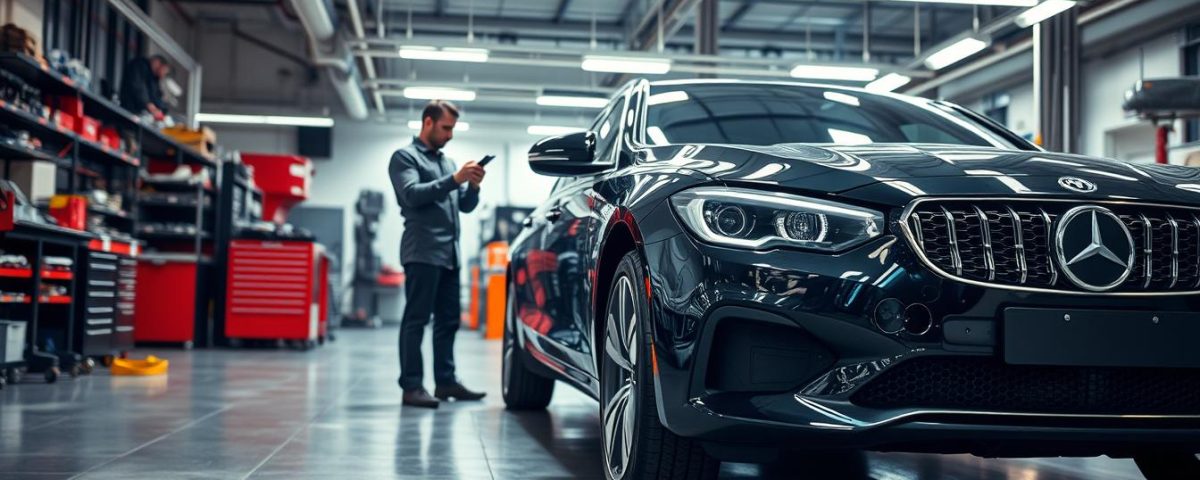
Modern cars have advanced vehicle safety technology that changes how we fix them after accidents.
The complexity of car safety sensors means repairs need special skills and tools now.
With cars getting smarter, fixing them right is more important than ever. Shops like Miracle Body and Paint Collision Center lead the way. They offer expert collision repair to keep your car safe.
Key Takeaways
- Modern vehicles rely heavily on advanced safety features.
- Collision repair requires specialized knowledge and equipment.
- Proper repair techniques are key to keeping your car safe.
- Miracle Body and Paint Collision Center offers top-notch repair services.
- Advanced safety features greatly affect how we fix cars after accidents.
The Evolution of Vehicle Safety Technology
The car industry has seen big changes in safety tech over the years. These changes have changed how cars are made and used.
From Passive to Active Safety Systems
At first, safety in cars focused on passive safety systems like seatbelts and airbags. They were meant to lessen injury in crashes. But, with new tech, the focus moved to active safety systems. These systems aim to stop accidents before they happen.
The Rise of Advanced Driver Assistance Systems (ADAS)
Advanced Driver Assistance Systems (ADAS) are key in today’s car safety. They use sensors, cameras, and radar for features like lane warning, cruise control, and emergency braking.
Key Milestones in Safety Technology Development
Big steps include electronic stability control and advanced airbags. Also, has been a big help. ADAS has grown with features like automatic parking and traffic jam assist.
Thanks to these tech advances, road accidents and deaths have gone down a lot.
Understanding Modern Car Safety Sensors and Their Functions
Today’s cars have many safety sensors that help prevent accidents. These sensors are key to advanced driver-assistance systems (ADAS). They are vital for keeping the vehicle safe.
How Different Sensors Work Together
Many sensors, like radar, cameras, ultrasonic, and LiDAR, work together. Radar sensors use radio waves to find objects. Camera systems help with tasks like keeping in the lane and recognizing objects. Ultrasonic sensors help with parking by detecting nearby objects.
The Role of Sensors in Preventing Accidents
Sensors are key in stopping accidents by giving real-time data. This data helps turn on features like automatic emergency braking and lane departure warning.
Real-World Examples of Sensor Effectiveness
Sensors really make a difference in real life. For example, a car’s automatic emergency braking system can stop a crash by spotting an object and braking.
| Sensor Type | Primary Function | Example Feature |
|---|---|---|
| Radar | Object detection | Adaptive Cruise Control |
| Camera | Visual data collection | Lane Departure Warning |
| Ultrasonic | Close-range object detection | Parking Assistance |
| LiDAR | High-resolution mapping | Autonomous Driving |
The table shows the different sensors in cars, what they do, and examples of features they enable. Understanding how these sensors work together shows the complexity and effectiveness of today’s car safety systems.
Types of Car Safety Sensors in Today’s Vehicles
Today’s cars come with many safety sensors. These sensors help prevent accidents and keep drivers safe. They work together to protect everyone in the vehicle and even pedestrians.
Radar-Based Systems for Collision Avoidance
Radar systems use radio waves to find objects around the car. They are great at avoiding collisions. They are often found in systems that help cars follow a safe distance.
Camera Systems for Lane Keeping and Object Recognition
Camera systems are key for staying in your lane and spotting dangers. They give the car visual information. This helps it stay on track and avoid hazards.
Ultrasonic Parking Sensors and Their Applications
Ultrasonic sensors send out sound waves to find objects near the car. They make parking safer and more accurate.
LiDAR Technology in Premium Vehicles
LiDAR technology uses laser light to map out the car’s surroundings. It helps the car detect and react to its environment better.
| Sensor Type | Primary Function | Key Benefit |
|---|---|---|
| Radar-Based Systems | Collision Avoidance | Enhanced safety at high speeds |
| Camera Systems | Lane Keeping and Object Recognition | Improved driver assistance |
| Ultrasonic Parking Sensors | Parking Assistance | Reduced risk of parking accidents |
| LiDAR Technology | Environmental Mapping | Highly accurate obstacle detection |
How Safety Sensors Change the Collision Repair Process
Modern vehicles with advanced safety sensors have changed collision repair a lot. It’s not just about the tech, but how it changes repair methods too.
New Repair Protocols Required for Sensor-Equipped Vehicles
Vehicles with safety sensors need special repair steps. This means fixing or replacing parts and calibrating sensors to their original settings.
Special Handling Requirements for Sensor Components
Safety sensors, like radar and cameras, need careful handling. Technicians must learn to diagnose, repair, and calibrate these systems right.
Case Study: Before and After Sensor Integration
Let’s look at how safety sensors affect repair:
| Aspect | Before Sensor Integration | After Sensor Integration |
|---|---|---|
| Repair Protocols | Standard bodywork and painting | Specialized sensor calibration and diagnostic procedures |
| Technician Training | General automotive repair knowledge | Advanced training in sensor technology and calibration |
| Equipment Requirements | Standard body shop equipment | Specialized tools for sensor calibration and diagnostic |
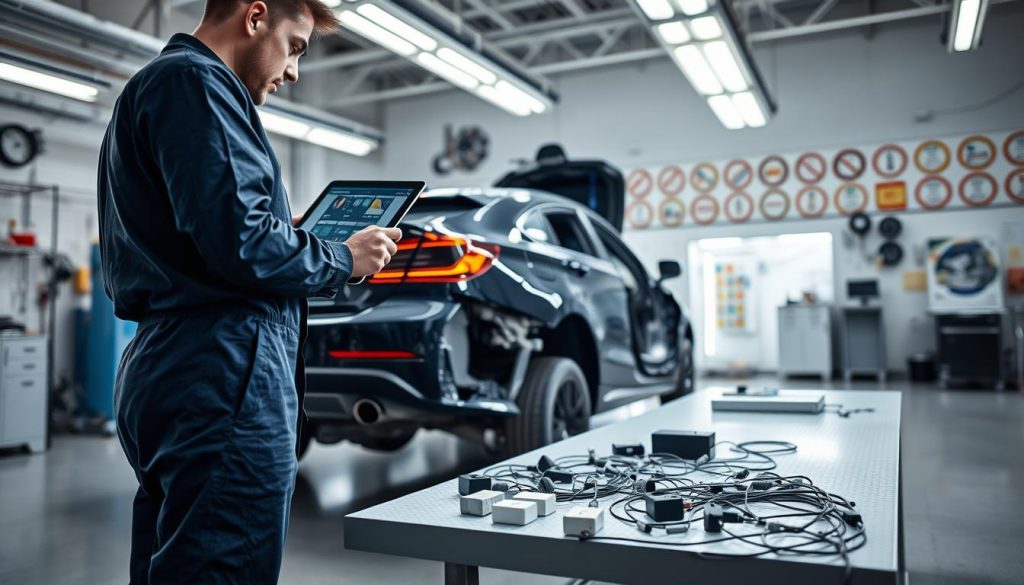
Safety sensors have made collision repair more complex. Shops need to update their protocols, train their techs, and get new equipment. As cars keep getting smarter, repair shops must keep up to ensure safe and effective fixes.
The Critical Importance of Sensor Calibration After Repairs
Sensor calibration is key in fixing cars after accidents. It makes sure the car’s safety systems work right. These systems help avoid crashes by using advanced technology.
What Happens During Sensor Calibration?
Calibration adjusts sensors to give correct info to the car’s computer. It depends on the sensor type and car maker. For example, camera calibration is needed after windshield or front fascia repairs.
Why Proper Calibration Is Essential for Vehicle Safety
Calibration is vital for safety systems to work right. If not done, these systems might not work, risking accidents. A bad camera setup can mess up lane warnings or cruise control.
Consequences of Skipping Calibration Procedures
Not calibrating sensors can harm safety and lead to legal issues. Here’s what might happen:
| Consequence | Description |
|---|---|
| Compromised Safety Features | Bad sensor readings can cause system failures, leading to accidents. |
| Legal Liabilities | Repair shops could face lawsuits for accidents caused by uncalibrated sensors. |
| Increased Repair Costs | Ignoring calibration can lead to more repair costs later on. |
In summary, calibration is essential for fixing cars after accidents. It keeps safety systems working. By understanding its importance, repair shops can ensure safety and avoid accidents.
Camera Calibration Procedures in Modern Collision Repair
Modern car repairs are now more complex. This is because of advanced safety features, like camera systems. These systems need to be very accurate for the car to be safe.
Static vs. Dynamic Calibration Methods
There are two ways to calibrate cameras. Static calibration uses targets in a controlled area. Dynamic calibration happens during a test drive, adjusting to the car’s surroundings. Each method has its own benefits.
Manufacturer-Specific Requirements and Variations
Every car maker has its own rules for camera calibration. This is because of their unique tech and safety standards. Some need special tools, while others have specific steps for adjusting cameras. Knowing these differences is key for repair shops to follow safety rules.
Equipment Needed for Proper Camera Calibration
To calibrate cameras right, you need certain tools. These include:
- Tools approved by the car maker
- High-precision targets for static calibration
- Diagnostic software for system checks
Having the right tools and following the car maker’s rules is vital. It ensures cars are safe and work well after repairs.
Parking Sensors: Repair Challenges and Solutions
Vehicle safety systems are getting more complex. Parking sensors, like ultrasonic sensors, are key in preventing accidents. They detect obstacles around the vehicle.
Common Damage Patterns to Parking Sensor Systems
Parking sensor systems can get damaged easily, even at low speeds. The sensors themselves, wiring, and mounting brackets often get hurt.
Specialized Testing Equipment for Ultrasonic Sensors
Fixing ultrasonic parking sensors needs special tools. Technicians use equipment that mimics the sensor’s environment. This helps test its work.
| Testing Equipment | Purpose |
|---|---|
| Ultrasonic Sensor Tester | Tests sensor functionality and accuracy |
| Wiring Harness Tester | Checks for continuity and shorts in the wiring |
Integration with Other Vehicle Systems
Parking sensors work with other safety systems, like backup cameras and collision avoidance. This makes repairs more complex. Technicians need to understand all the safety features.
Proper repair and calibration of parking sensors are key for vehicle safety. Technicians must have the right tools and knowledge for these complex systems.
Technical Challenges Repair Shops Face with Modern Safety Systems
Modern vehicles come with advanced safety systems. These systems are complex and pose big challenges for repair shops. Shops must now handle advanced driver-assistance systems (ADAS) with great skill.
Expertise Requirements for Technicians
Technicians need special training to work with these systems. They must understand complex electronics, software, and sensors.
Equipment Investment Needs for Proper Repairs
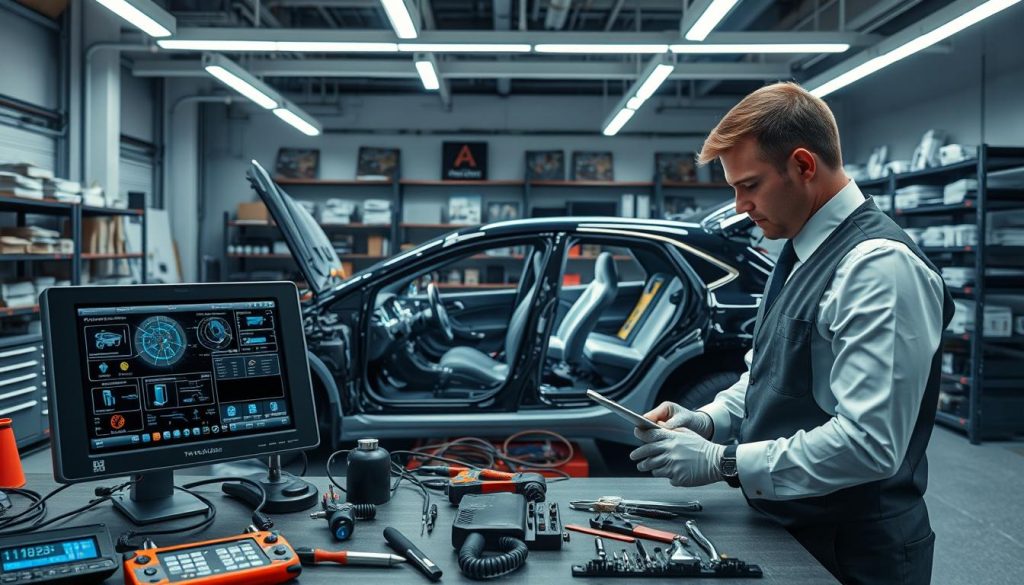
Repair shops must buy the latest tools to fix these vehicles. They need advanced scan tools, calibration devices, and software updates.
Time Considerations for Complete System Restoration
Fixing these systems takes a lot longer than old repairs. It’s because of the need for precise calibration and testing. This ensures all safety features work right.
| Challenge | Description | Impact on Repair Shops |
|---|---|---|
| Technician Expertise | Need for specialized training | Increased training costs and time |
| Equipment Investment | Latest diagnostic and calibration tools | Higher initial investment and maintenance costs |
| Repair Time | Longer calibration and testing times | Increased labor costs and longer repair times |
The Cost Impact of Safety Sensor Repairs on Collision Work
Modern cars have advanced safety sensors. This has changed how much fixing a car after a crash costs. Now, fixing these sensors is more complex and expensive.
Why Sensor Repairs Increase Overall Repair Costs
Fixing safety sensors is not just about replacing parts. It needs special tools and skilled workers for the right setup. This adds to the cost, making repairs more expensive overall.
Insurance Considerations for Advanced Safety Technology
Insurance companies struggle with the cost of fixing these sensors. The high price of parts and labor affects insurance claims. So, insurers work with repair shops to make sure repairs are done right and fast.
Typical Cost Ranges for Different Sensor Replacements
The price to replace safety sensors varies. It depends on the sensor type and the car’s model. For example:
- Camera-based sensors: $500-$1,500
- Radar-based sensors: $800-$2,000
- LiDAR sensors: $1,000-$3,000
Knowing these costs helps both repair shops and insurance companies. They can better plan and manage what to expect.
How Miracle Body and Paint Collision Center Excels at Safety Sensor Repairs
The team at Miracle Body and Paint Collision Center is top-notch at safety sensor repairs. They make sure vehicles are safe again. They use specialized equipment and manufacturer-certified calibration processes for precise repairs.
Specialized Equipment and Technician Training
Miracle Body and Paint Collision Center has the latest specialized equipment for today’s safety sensors. Their techs get constant training on new repair methods. This ensures every repair is up to par.
Manufacturer-Certified Calibration Processes
Miracle Body and Paint Collision Center knows how key calibration is. They follow manufacturer-certified calibration processes. This makes sure all safety sensors work right, just like before.
Quality Assurance Protocols for Sensor Functionality
Miracle Body and Paint Collision Center has strict quality assurance protocols. They check every safety sensor repair carefully. This gives car owners peace of mind about their vehicle’s safety.
- Advanced safety sensor repair capabilities
- Technician training for the latest technologies
- Adherence to manufacturer-certified calibration processes
- Stringent quality assurance protocols
The Future of Vehicle Safety Technology and Its Impact on Repairs
The car industry is on the verge of a big change in safety tech, thanks to emerging sensor technologies. These new tools are making cars safer and changing how we fix them after accidents.
Emerging Sensor Technologies on the Horizon
New sensors are coming that will make cars even safer. We’re talking about LiDAR systems, better radar, and cameras that work smarter. These will help cars see and react to their surroundings better.
How Repair Facilities Are Preparing for Tomorrow’s Vehicles
Repair shops are getting ready for cars with the latest safety tech. They’re giving their techs specialized training and buying the right tools. They also make sure they know how to follow the car maker’s rules.
Predicted Changes in Collision Repair Procedures
As safety tech gets better, fixing cars after accidents will change too. We’ll need new ways to calibrate sensors and more complex fixes. Shops will also have to follow the car maker’s exact steps more often.
Conclusion: Trust the Experts for Your Vehicle’s Safety Systems
Modern vehicle safety systems are complex and need specialized knowledge to fix right. The growth of safety tech has changed how we repair cars. This makes it key to get expert repairs for your car’s safety and how it works.
Miracle Body and Paint Collision Center is a top choice for car repairs. They have the latest tech and skilled staff. They follow strict quality checks to make sure your car’s safety systems work great.
They have two locations in San Antonio, making it easy to get help. Choosing them means your car’s safety features will be fixed by pros. This keeps you safe on the road.
For top-notch repairs, reach out to Miracle Body and Paint Collision Center. Book your appointment today. See how expert care can bring back your car’s safety and performance.