
Keeping Your Fleet Looking Brand New with Quality Paint Services
Why Getting a Post-Accident Inspection Can Save You Money
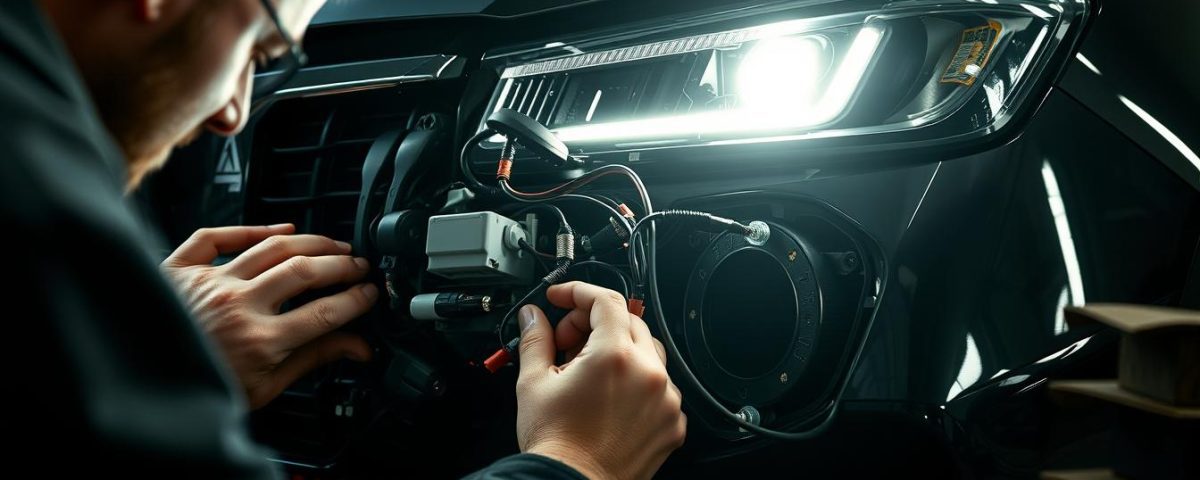
Today’s cars come with ADAS safety systems like lane assist. These systems change how we fix cars. At Miracle Body and Paint Collision Center, we know how to fix these safety features right. This keeps your car safety and working well.
Fixing a car is more than just making it look good. We have to make it work like new. This means we have to set up lane assist and other driver assistance systems just right. Our team is ready for these tough jobs. We make sure your car is safe to drive.
Key Takeaways
- Modern vehicles rely on advanced safety systems like ADAS.
- Proper repair requires restoring vehicles to original specifications.
- Calibration of lane assist and other systems is critical.
- Miracle Body and Paint Collision Center is equipped to handle complex repairs.
- Ensuring vehicle safety is our top priority.
The Evolution of Vehicle Safety Systems
The evolution of vehicle safety systems has been amazing. We’ve moved from passive to active safety features. At Miracle Body and Paint Collision Center, we’ve seen how these changes affect auto body repair.
Vehicle safety has grown a lot. The first safety features were just to protect people in a crash. These were called passive safety features.
From Passive to Active Safety Features
The move to active safety features is a big step forward. Active safety systems aim to stop accidents before they happen.
Seatbelts to Smart Restraint Systems
Seatbelts were one of the first safety features. Now, cars have smart restraint systems. These systems adjust airbag deployment based on crash severity. Collision sensors help the car respond to different crash types.
The Introduction of Electronic Stability Control
Electronic Stability Control (ESC) is another big step. ESC keeps the car stable by reducing traction loss. It works with lane assist to keep the car on track and prevent skidding.
These advanced safety features have made cars safer. But, they also bring new challenges for repair shops like ours. It’s key to understand these systems for effective repair and maintenance.
As vehicle safety keeps improving, repair centers must keep up. At Miracle Body and Paint Collision Center, we’re dedicated to top-notch service. We make sure cars with advanced safety systems are fixed right.
Understanding ADAS Safety Systems in Modern Vehicles
Modern cars come with advanced safety systems called Advanced Driver Assistance Systems (ADAS). These systems are key in stopping accidents. At Miracle Body and Paint Collision Center, we know how vital it is to understand these systems for effective repairs.
What Are Advanced Driver Assistance Systems?
Advanced Driver Assistance Systems (ADAS) are features that make driving safer. They include lane departure warning, adaptive cruise control, and automatic emergency braking. These systems use sensors, cameras, and radar to watch the car’s surroundings and act on dangers.
Core Components and Technologies
The main parts of ADAS are:
- Collision sensors that spot possible crashes
- Cameras that watch lane lines and see pedestrians
- Radar sensors that keep track of other cars’ distance and speed
These parts work together to enable features like automatic emergency braking and lane departure warning.
Safety Benefits and Statistics
ADAS has greatly reduced accidents and deaths on the road. Studies show cars with ADAS have fewer crash claims. For example, a study found automatic emergency braking can cut front-to-rear crashes by up to 50%.
Understanding ADAS helps us see why proper repair and calibration are so important. They keep these systems working well.
Common Types of ADAS Technologies
At Miracle Body and Paint Collision Center, we’ve seen how ADAS technologies improve vehicle safety. Advanced Driver Assistance Systems (ADAS) are key in modern cars, making driving safer and more convenient. Let’s look at some common ADAS technologies and what they do.
Lane Assist and Lane Departure Warning Systems
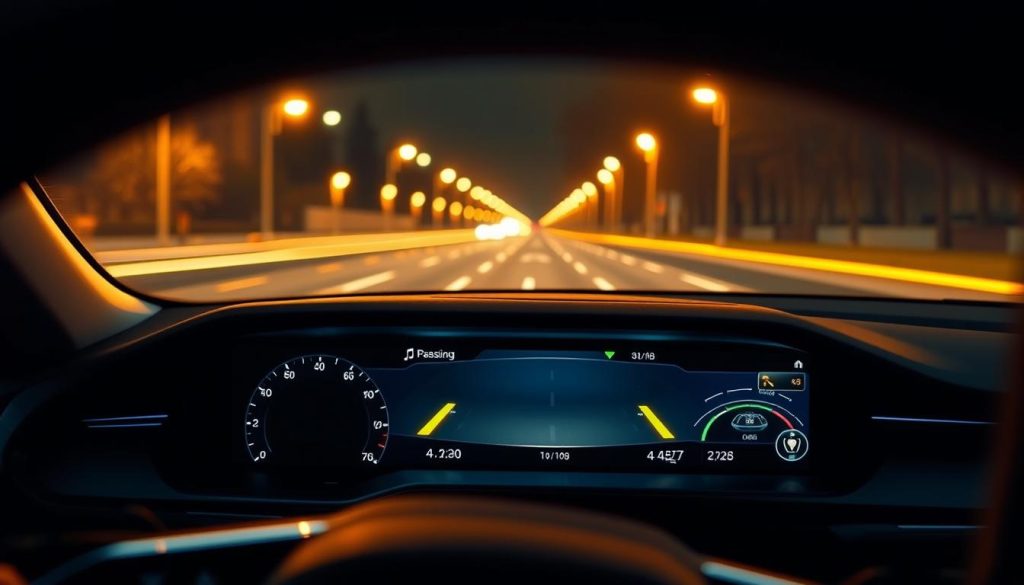
Lane assist and lane departure warning systems help prevent accidents by keeping cars in their lanes. They use cameras and sensors to watch the car’s position on the road.
Camera-Based vs. Sensor-Based Systems
Camera-based systems use windshield-mounted cameras to spot lane markings. Sensor-based systems use radar and ultrasonic sensors for the same purpose. Camera-based systems are more common because they’re better at finding lane markings.
Integration with Steering Systems
These systems work with the car’s steering to gently steer it back if it drifts. This makes driving safer by keeping the car on course.
Collision Sensors and Automatic Emergency Braking
Collision sensors and automatic emergency braking stop or lessen the impact of front crashes. They use radar, lidar, and cameras to spot possible crashes.
Radar, Lidar, and Camera Technologies
Radar and lidar use radio waves and laser light to measure distance and speed. Cameras add visual data to spot crash risks. This mix of techs ensures accurate crash detection and response.
Braking System Integration
When a crash is likely, these systems apply the brakes to avoid or lessen the impact. Working with the brakes is key for automatic emergency braking to work well.
| ADAS Technology | Primary Function | Key Components |
|---|---|---|
| Lane Assist | Prevent lane departure | Cameras, Sensors, Steering System |
| Automatic Emergency Braking | Prevent or mitigate frontal collisions | Radar, Lidar, Cameras, Braking System |
Understanding ADAS technologies helps us see how important vehicle safety systems are. At Miracle Body and Paint Collision Center, we keep up with ADAS advancements to serve our customers best.
How Safety Systems Complicate Auto Body Repairs
Modern cars have advanced safety systems that change how we fix them. At Miracle Body and Paint Collision Center, we see how these systems make repairs harder. They need special knowledge and tools.
Sensor Placement and Vulnerability
Today’s cars have many sensors for safety features like lane assist. These sensors are in spots that can get damaged easily in crashes.
Common Damage Points in Collisions
Sensors in the front, grille, and back are often hit in accidents. This means they need careful checks and might need complex fixes.
Cascading Effects of Sensor Damage
When one sensor gets damaged, it can mess up the whole safety system. For example, a broken radar sensor might stop the adaptive cruise control from working right. It needs to be replaced and set up again.
System Integration Challenges
Modern safety systems are complex because of how they work together. At Miracle Body and Paint, we know fixing one part often means understanding how it connects with others.
Interconnected Systems and Repair Complexity
Features like lane assist are part of a bigger network. This network includes cameras, sensors, and software. Fixing these systems needs a deep understanding of how they work together.
OEM Specifications and Requirements
It’s key to follow the maker’s rules when fixing or replacing safety parts. This makes sure the car is safe and works right again.
| System Component | Common Damage | Repair Complexity |
|---|---|---|
| Lane Assist Camera | Physical damage, misalignment | High |
| Radar Sensors | Impact damage, calibration issues | Medium to High |
| ADAS Software | Glitches, update requirements | High |
At Miracle Body and Paint Collision Center, we get the complexity of modern safety systems. We follow the maker’s rules to make sure our repairs are safe and top quality.
New Repair Procedures Required for ADAS-Equipped Vehicles
At Miracle Body and Paint Collision Center, we’ve seen how ADAS technology is changing auto body repair. Modern vehicles with Advanced Driver Assistance Systems (ADAS) bring new challenges. They need advanced repair methods and special tools.
Pre-Repair Scanning and Diagnostics
Before starting repairs on ADAS vehicles, scanning and diagnostics are key. This step checks if all systems are okay.
Identifying System Faults and Damage
Our techs use top-notch tools to find any damage to collision sensors and ADAS parts. This helps us make a detailed repair plan.
Documentation for Insurance and Warranty
Keeping detailed records of the diagnostic process is vital. It’s for insurance and warranty purposes. It shows the vehicle’s state before and after repairs.
Calibration Requirements After Repairs
Calibrating ADAS systems after repairs is essential. It makes sure all safety features work right. This keeps the vehicle safe.
Static vs. Dynamic Calibration Procedures
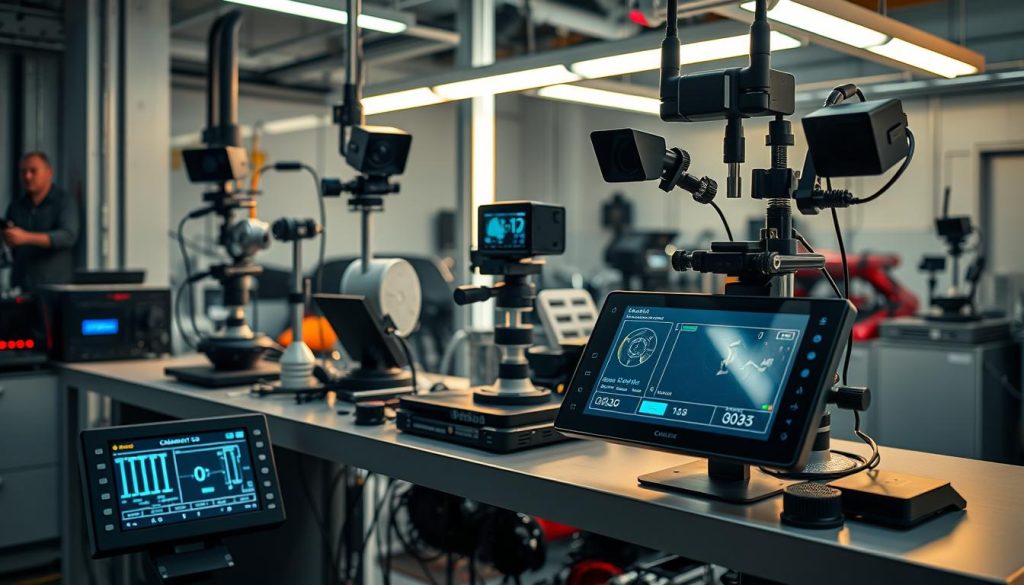
There are two main calibration types: static and dynamic. Static calibration aligns sensors in a controlled setting. Dynamic calibration requires driving the vehicle under certain conditions. Our team knows both methods for precise calibration.
Environmental Requirements for Accurate Calibration
Lighting and temperature affect ADAS calibration. Our facility controls these factors. This ensures calibrations are done perfectly.
By following these new repair steps and staying updated, Miracle Body and Paint Collision Center aims to provide top-notch repairs. We focus on the safety and happiness of our customers.
Specialized Equipment and Training for ADAS Repairs
Modern cars have complex Advanced Driver Assistance Systems (ADAS). These systems need special tools and training for repairs. Miracle Body and Paint Collision Center stays updated in the auto body repair field.
Tools Required for ADAS Calibration
Calibrating ADAS features like lane assist and collision sensors needs precise tools. There are two main types of tools for this job:
Manufacturer-Specific Equipment
Vehicle makers offer special tools for ADAS calibration. These tools fit specific car models perfectly, ensuring correct calibration.
Universal Scanning and Calibration Tools
There are also universal tools for different car brands. These tools are flexible and can save money for repair shops.
| Tool Type | Description | Advantages |
|---|---|---|
| Manufacturer-Specific | Designed for specific vehicle models | High accuracy, seamless integration |
| Universal | Compatible with multiple vehicle makes and models | Flexible, cost-effective |
Technician Certification and Ongoing Education
Technicians need special training to work on ADAS features.
Industry Standards and Certifications
Groups like I-CAR and ASE offer certification for technicians. These programs make sure technicians meet ADAS repair standards.
Keeping Pace with Rapidly Evolving Technology
The car world is always changing with new tech. Miracle Body and Paint Collision Center makes sure our tech stays current with ADAS advancements.
Cost Implications of ADAS Safety Systems Repairs
ADAS safety systems in cars have changed the repair world a lot. They make repairs more complex and expensive. This is because cars now have more advanced safety features.
Why Repairs Cost More with Advanced Safety Systems
Repairs on cars with ADAS cost more for a few reasons. First, they need special tools. Second, fixing these systems is very complex.
Parts Replacement vs. Recalibration Costs
Some repairs need new parts, while others just need a system update. Updating systems can cost as much as new parts. This is because it takes special tools and trained people.
Labor Time and Specialized Knowledge Factors
Fixing ADAS cars takes longer because of the detailed work needed. Technicians need special knowledge to work on these systems. This increases the cost of labor.
| Repair Type | Average Cost | Factors Affecting Cost |
|---|---|---|
| Parts Replacement | $500-$1,500 | Type of part, complexity of replacement |
| Recalibration | $300-$1,000 | Complexity of system, equipment required |
| Labor | $200-$800 | Technician expertise, time required |
Insurance Considerations and Coverage Changes
ADAS in cars is also changing how insurance works. Insurers are updating their policies to handle the higher costs of ADAS repairs.
How Insurers Are Adapting to ADAS Technology
Insurance companies are making new rules for damage and repair costs for ADAS cars. For more on how safety tech affects repairs, check out our detailed guide.
What Vehicle Owners Should Know About Coverage
Car owners should know their insurance might need updates for ADAS repairs. It’s important to check your policy and know what’s covered and what’s not.
Miracle Body and Paint’s Approach to Modern Safety System Repairs
Miracle Body and Paint Collision Center is all about top-notch repairs for cars with advanced safety systems. As cars get smarter, we’ve updated our tech and training. This way, we make sure our customers get the best service.
Our Specialized Equipment and Capabilities
We’ve got state-of-the-art calibration technology for ADAS safety systems. This includes lane assist and more. Our gear helps us fix these systems right, so they work like new after a repair.
State-of-the-Art Calibration Technology
Our tech works with many car makers, covering most modern cars. It’s key for systems like lane assist, which need exact calibration to work right.
OEM-Approved Repair Procedures
We stick to OEM-approved repair procedures. This ensures our repairs meet the maker’s standards. It’s vital for keeping ADAS systems safe and sound.
| Manufacturer | ADAS Feature | Calibration Requirement |
|---|---|---|
| Toyota | Lane Assist | Static Calibration |
| Ford | Adaptive Cruise Control | Dynamic Calibration |
| Honda | Collision Mitigation | Both Static and Dynamic |
Our Technician Training and Certification Program
Our techs get deep training and certification for ADAS systems. They learn both theory and practical skills.
Ongoing Education and Manufacturer Training
We keep our techs learning with ongoing education. They get the latest on ADAS tech and follow the latest repair methods.
Real-World Success Stories and Case Studies
We’ve fixed many cars with ADAS systems, even tough cases. Our skill and knowledge make us a go-to for auto body repairs.
Conclusion: The Future of Auto Body Repair in the ADAS Era
Vehicle safety technology is getting better all the time. This means auto body repair will become even more critical. Modern cars with advanced ADAS safety systems need special repair methods. This ensures these systems work right after a crash.
At Miracle Body and Paint Collision Center, we get how complex these repairs can be. Our team is skilled in fixing vehicles with advanced safety features. They use the newest tools and methods to fix these important systems.
If your car needs repairs, bring it to the pros who know modern safety systems. We aim to make your car as good as new. All safety features will work perfectly. Choose Miracle Body and Paint Collision Center for top-notch repairs and your peace of mind.