

How Rust Spreads After a Collision and How to Stop It

How to Reduce Collision Risk Across Your Fleet
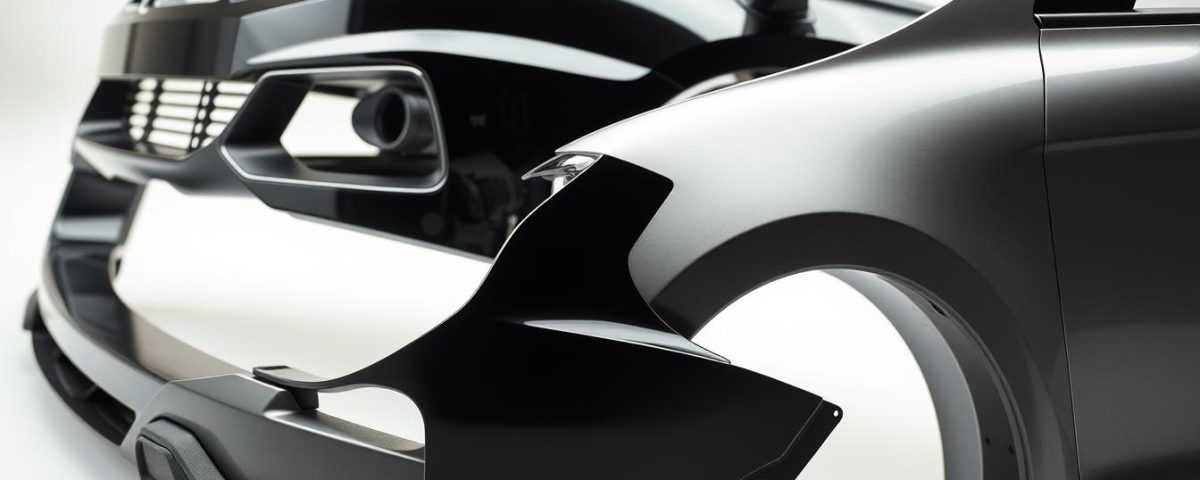
Choosing between original equipment manufacturer (OEM) auto body parts and aftermarket alternatives is a big decision. At Miracle Body and Paint Collision Center, we help you make the right choice.
The choice you make impacts the repair’s cost, quality, and safety. Our expertise ensures your vehicle is fixed right.
We aim to give our customers the best solutions for their repair needs.
Key Takeaways
- Understanding the differences between OEM and aftermarket auto body parts is key.
- Cost, quality, and safety are important when picking parts.
- Miracle Body and Paint Collision Center offers expert advice on parts.
- We are dedicated to top-notch collision repair services.
- Count on us to fix your vehicle to its original state.
Understanding Auto Body Parts Terminology
Exploring auto body parts can seem overwhelming. But, knowing the terms is key to making smart choices. When it comes to fixing your car, you’ll often hear about “OEM” and “aftermarket” parts. But what do these terms really mean?
What Are OEM Parts?
OEM stands for Original Equipment Manufacturer. OEM parts are made by the car’s original maker. This ensures a perfect fit and high quality.
Original Equipment Manufacturer Explained
An Original Equipment Manufacturer is the company that made your car’s part. For example, if you have a Toyota, the OEM parts are made by Toyota or a supplier they choose.
How OEM Parts Are Produced
OEM parts are made with the same materials and methods as the originals. They go through strict testing and quality checks. This makes OEM parts reliable and long-lasting.
What Are Aftermarket Parts?
Aftermarket parts are made by companies other than the car’s maker. They’re designed to replace or improve your car’s original parts.
Types of Aftermarket Manufacturers
Aftermarket makers vary in quality and reputation. Some offer parts as good as OEMs, while others might cut corners.
CAPA and Non-CAPA Certified Parts
The Certified Automotive Parts Association (CAPA) sets standards for aftermarket parts. CAPA-certified parts have passed tough tests for quality and safety. Not all aftermarket parts are CAPA certified, so always check.
Other Important Terms to Know
There are more terms to understand when dealing with auto body parts.
Recycled and Salvaged Parts
Recycled or salvaged parts come from other cars, often from junkyards. They can save money, but their quality and reliability can be hit-or-miss.
Remanufactured Components
Remanufactured parts are used parts fixed to meet original specs. They’re a good option compared to new parts.
OEM vs Aftermarket Parts: The Key Differences
OEM and aftermarket parts differ a lot more than just their names. They have big differences in how they’re made and checked for quality. Knowing these differences is key to picking the right parts for your car.
Manufacturing Standards and Processes
OEM parts are made to fit perfectly and use top-quality materials. Aftermarket parts, though, can vary a lot in how they’re made and what materials they use.
Quality Control Variations
OEM parts go through tough tests and checks. But aftermarket parts might not be checked as closely, which can lead to quality differences.
Material Specifications
OEM parts use materials that meet the car maker’s exact standards. Aftermarket parts might use different materials, which could affect how long they last and how well they work.
Certification and Testing Requirements
OEM and aftermarket parts have different rules for testing and certification. OEM parts must pass the car maker’s tests to ensure safety and performance.
Industry Standards for Each Type
OEM parts follow the car maker’s rules, while aftermarket parts might follow other guidelines.
Regulatory Oversight
The rules for aftermarket parts are not as strict as for OEM parts. This can affect how reliable and safe they are.
Brand Recognition and Warranties
OEM parts usually come with a warranty and are known for quality. Aftermarket parts might have different warranties and reputation.
Manufacturer Backing
OEM parts are supported by the car’s maker. Aftermarket parts are backed by their makers, whose reputation can vary.
Warranty Length and Coverage
| Part Type | Warranty Length | Coverage |
|---|---|---|
| OEM | Typically 1-3 years | Parts and labor for manufacturing defects |
| Aftermarket | Varies (often 1-5 years) | Parts and sometimes labor; varies by manufacturer |
Understanding these differences helps you make better choices for your car. It’s about finding the right balance between quality, safety, and cost.
Cost Comparison: Why Price Differences Exist
When looking at OEM and aftermarket auto body parts, several factors affect their prices. Knowing these can help you choose wisely, fitting your budget and repair needs.
Typical Price Gaps Between OEM and Aftermarket
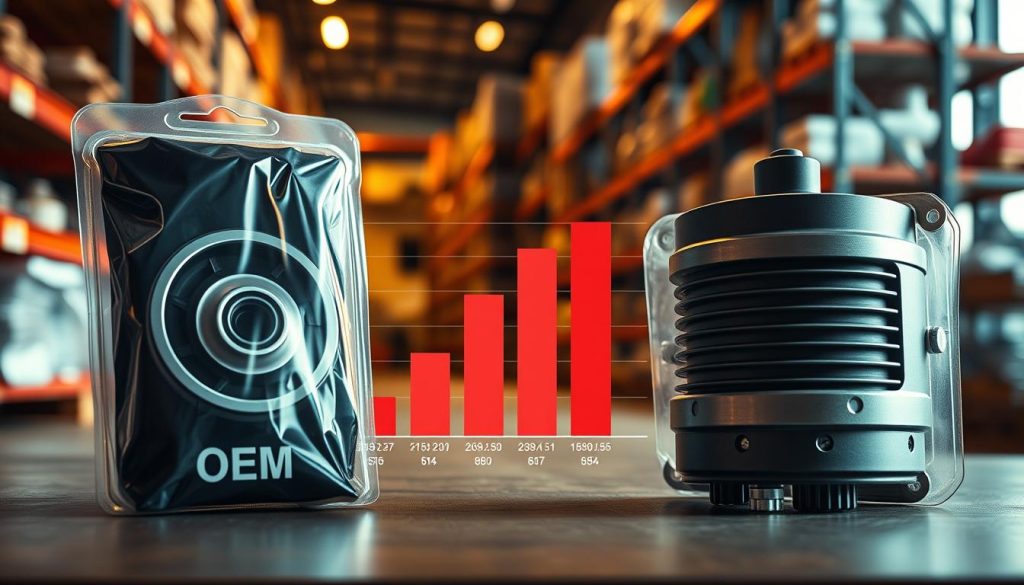
Aftermarket parts are usually less expensive than OEM ones. This price gap comes from different manufacturing methods and material quality.
Percentage Differences by Part Type
The cost difference between OEM and aftermarket parts varies by part type. For example, bumpers might have a 20-30% difference. But headlights could see a 40-50% difference.
Market Competition Factors
Market competition affects aftermarket part prices. With many suppliers, prices drop, making aftermarket parts more affordable.
Long-term Cost Considerations
Initial costs are important, but so are long-term costs when choosing between OEM and aftermarket parts.
Replacement Frequency
OEM parts are often more durable. This means they might need to be replaced less often, saving money in the long run.
Resale Value Impact
Using OEM parts can increase your vehicle’s resale value. This is key for those planning to sell their car later.
Value Proposition of Each Option
The choice between OEM and aftermarket parts depends on your specific needs and priorities.
When Higher Cost Equals Higher Value
For parts critical to safety or performance, the extra cost of OEM parts might be worth it. They offer better quality and warranty.
Budget-Conscious Approaches
For those watching their budget, aftermarket parts can be a good choice. They’re often less expensive without sacrificing too much quality, for non-critical parts.
Quality Assessment: Myths and Realities
It’s important to know the difference in quality between OEM and aftermarket auto body parts. This knowledge helps you make better repair choices. The quality of these parts affects a vehicle’s performance, safety, and how long it lasts.
Material Differences
OEM parts are made to match the exact specs of the original equipment. This ensures they are consistent in quality.
Composition Analysis
OEM parts are tested for their material composition and durability. Aftermarket parts might be similar but can vary in quality.
Strength and Durability Testing
Research shows that some aftermarket parts meet OEM standards. But, others may not pass the same stress and durability tests.
Fit and Finish Variations
The fit and finish of auto body parts are key for looks and function. OEM parts are made to fit perfectly with other original parts.
Installation Challenges
Aftermarket parts can be tricky to install. This is because of differences in design and manufacturing tolerances.
Appearance Considerations
The look of aftermarket parts can differ from OEM parts. This can affect the vehicle’s appearance and resale value.
Performance and Durability Factors
The performance and durability of auto body parts are vital for safety and longevity.
Longevity Comparisons
OEM parts usually last longer. This is because they are made with precise manufacturing and high-quality materials.
Real-World Performance Tests
Tests have shown that OEM parts perform better in various conditions.
| Quality Factor | OEM Parts | Aftermarket Parts |
|---|---|---|
| Material Quality | High, meets original specs | Variable, sometimes lower |
| Fit and Finish | Excellent, designed for precise fit | Good, but can vary |
| Durability | High, tested for longevity | Variable, sometimes lower |
In conclusion, both OEM and aftermarket parts have their uses in auto body repair. But, knowing their quality differences is key to making the best choice.
Safety Implications of Your Parts Choice
Choosing between OEM and aftermarket parts affects your vehicle’s safety. It’s not just about the parts’ quality. It’s also about their testing and certification.
Crash Test Results and Safety Ratings
Crash test results and safety ratings are key to a vehicle’s safety. Independent testing data shows OEM parts perform better in crashes.
Independent Testing Data
The Insurance Institute for Highway Safety (IIHS) tests vehicles thoroughly. Their findings favor OEM parts for safety-critical components.
Manufacturer Safety Studies
Many car makers also study safety. Their studies often back the use of OEM parts for safety parts.
Critical Safety Components vs. Cosmetic Parts
It’s important to know the difference between safety and cosmetic parts. Cosmetic parts, like bumpers, don’t affect safety as much. But, parts like airbags and seatbelts need top quality.
High-Priority Safety Parts
- Airbags
- Seatbelts
- Brake systems
Where Compromises May Be Acceptable
For cosmetic parts, like bumpers, aftermarket parts are okay. They just need to meet quality standards.
Expert Safety Recommendations
Experts and safety groups usually suggest OEM parts for safety parts. For more on OEM and aftermarket parts, check our guide at OEM vs Aftermarket Parts.
Insurance Companies and Parts Requirements
Understanding how insurance handles OEM and aftermarket parts is key in auto body repairs. Insurance often chooses aftermarket parts for cost reasons. But, it’s important to know your policy well.
How Insurance Policies Address Parts Types
Insurance companies have rules for using OEM versus aftermarket parts in repairs. These rules are in your policy.
Policy Language Decoded
Review your insurance policy to see how it talks about parts. Look for sections on OEM and aftermarket parts. Also, check for any limits or exclusions.
Common Coverage Limitations
- Some policies only cover aftermarket parts unless you ask for OEM and justify it.
- There might be a part spending limit, which could limit OEM parts use.
- Using OEM parts might need extra documentation or justification.
Negotiating with Your Insurance Provider
Talking well with your insurance provider is key to getting your preferred parts.
Effective Communication Strategies
Be clear about your parts preference when talking to your insurance. Understand their reasons and be ready to justify your choice.
Documentation Requirements
Keep records of all talks with your insurance, including dates and names. This can help in disputes over parts.
Understanding Your Rights as a Consumer
You have rights when dealing with insurance claims and auto repairs.
State Regulations on Repair Parts
Learn about state laws on using OEM and aftermarket parts in repairs. Some states have specific rules for insurance companies.
Consumer Protection Laws
Consumer laws vary by state but usually help if you feel your insurance is unfair.

Vehicle Warranty Considerations
When you’re fixing your car, knowing about auto body parts and warranties is key. Choosing between OEM and aftermarket parts can affect your warranty.
How Aftermarket Parts May Affect Warranties
Using aftermarket parts might void some warranty parts. But, the Magnuson-Moss Warranty Act helps protect you.
Magnuson-Moss Warranty Act Protections
The Magnuson-Moss Warranty Act is a federal law for consumer products, like cars. It stops makers from voiding warranties just because you used aftermarket parts.
Manufacturer Warranty Clauses
Even with the Magnuson-Moss Act, some makers might try to limit aftermarket parts use in their warranties.
Manufacturer Positions on Non-OEM Parts
Car makers have different rules about non-OEM parts. Knowing these rules helps you make smart choices.
Domestic vs. Import Brand Policies
Domestic and import brands handle non-OEM parts differently. Some domestic brands might be more flexible, while import brands could be stricter.
Dealership Service Department Perspectives
Dealerships have their own views on non-OEM parts. These views can affect your warranty claims and repair choices.
Documenting Your Repair Decisions
It’s important to document your repair choices, whether you pick OEM or aftermarket parts. This helps protect your warranty and investment.
Record-Keeping Best Practices
Keep detailed records of repairs, including receipts and part numbers. This info is key for warranty claims.
Protecting Your Investment
By keeping good records and choosing the right parts, you can keep your warranty valid. This protects your investment.
| Warranty Aspect | OEM Parts | Aftermarket Parts |
|---|---|---|
| Warranty Coverage | Generally maintains full warranty coverage | May affect certain aspects of warranty coverage |
| Manufacturer Support | Typically supported by manufacturer | Support varies by manufacturer |
| Consumer Protections | Protected under Magnuson-Moss Warranty Act | Protected under Magnuson-Moss Warranty Act |
When to Choose OEM Parts
Knowing when to choose OEM parts is key to your vehicle’s long life and value. OEM parts fit perfectly and keep your car running like new.
Scenarios Where OEM Is Clearly Superior
In some cases, OEM parts are the top choice because of their high quality and fit. For example, newer luxury vehicles need OEM parts to work right.
Newer Luxury Vehicles
Luxury cars have advanced tech and complex systems. OEM parts keep these systems working well and protect the warranty.
Complex Electronic Components
Today’s cars have lots of electronics. OEM parts make sure these systems work right, avoiding problems.
Vehicle Types That Benefit Most from OEM
Some cars really need OEM parts. This includes high-performance and specialty models. They need the exact parts to stay in top shape.
High-Performance and Specialty Models
High-performance cars need OEM parts to keep their speed and control.
Collector and Limited Edition Vehicles
Collector and rare cars must use OEM parts. This keeps their value and original look.
Long-term Ownership Considerations
If you plan to keep your car for a long time, OEM parts are a good choice. They help keep your car in great shape and value.
Resale Value Protection
OEM parts keep your car looking new. This helps its value when you sell it.
Maintaining Vehicle Integrity
Using OEM parts keeps your car true to its original design. This keeps its performance and quality.
When Aftermarket Parts Make Sense
Aftermarket parts can be a good choice for saving money on repairs. While OEM parts are top-notch, aftermarket parts can be just as good but cheaper in some cases.
Budget-Friendly Repair Situations
Many car owners look for ways to save money on repairs. Aftermarket parts can be a cost-effective option, even if they’re not OEM.
Out-of-Pocket Repair Scenarios
When you’re paying for repairs yourself, you might choose cheaper options. Aftermarket parts can be a budget-friendly choice without sacrificing too much quality.
High-Cost Component Alternatives
Some OEM parts are very expensive. In these cases, high-quality aftermarket parts can save a lot of money while meeting quality and safety standards.
Older Vehicle Considerations
As cars get older, finding and affording OEM parts can be tough. Aftermarket parts are often a better option for older vehicles.
Discontinued OEM Parts Solutions
When OEM parts are no longer available, aftermarket parts can be a lifesaver. This is key for owners of older cars who need specific parts.
Cost-Benefit Analysis for Aging Vehicles
For older cars, it’s important to weigh repair costs against the car’s value. Using aftermarket parts can help keep repair costs down and extend the car’s life.
High-Quality Aftermarket Options
Not all aftermarket parts are the same. Some manufacturers make high-quality parts that match or even beat OEM standards.
Premium Aftermarket Brands
Brands like MorAuto and BremAuto offer top-notch aftermarket parts. These parts aim to balance cost and performance.
Specialty Performance Upgrades
For those wanting to boost their car’s performance, specialty aftermarket upgrades are a great choice. These parts can offer better performance than OEM parts.
How Miracle Body and Paint Approaches Parts Selection
At Miracle Body and Paint Collision Center, we focus on quality and making customers happy. Choosing between OEM and aftermarket parts can be tough. We help each customer find the best option for their needs.
Our Parts Sourcing Philosophy
Quality is at the core of our parts sourcing. We look for parts that match or beat the original equipment standards.
Quality-First Approach
We work with trusted suppliers to ensure parts meet our high standards. This keeps all repairs consistent.
Customized Solutions for Every Budget
We know everyone has different budgets. Our team helps find parts that are both good quality and affordable, fitting your budget.
Quality Control Measures
We take quality very seriously. We have strict quality control steps in place.
Pre-Installation Inspection Process
Our techs check every part before installing it. They make sure it’s in good shape and real.
Fit and Finish Verification
We make sure parts fit and look like the original. This keeps your car looking and running great.
Customized Solutions for Every Customer
We know everyone is different. Our team works hard to find the right mix of quality, cost, and time for you.
Balancing Quality, Cost, and Timeline
We carefully look at each repair to offer solutions that fit your needs. This could mean keeping your car’s quality, staying on budget, or getting it fixed fast.
Transparent Communication Throughout Repairs
We keep you in the loop during repairs. We tell you about parts and important decisions.
Our Experience with Both OEM and Aftermarket
We’ve worked with both OEM and aftermarket parts for a long time. We know when to suggest each.
| Part Type | OEM | Aftermarket |
|---|---|---|
| Quality | High, meets original specs | Variable, depends on manufacturer |
| Cost | Generally higher | Often more affordable |
| Warranty | Typically backed by manufacturer’s warranty | Warranty varies by supplier |
For more info on OEM and aftermarket parts, check out our page on OEM vs Aftermarket Parts: What’s the.
Success Stories and Case Studies
We’ve helped many customers by balancing quality, cost, and time.
When We Recommend Each Option
We suggest OEM parts for safety and keeping your car original. For cosmetic fixes or when money is tight, aftermarket parts are better.
Conclusion: Making the Right Choice for Your Vehicle
Choosing between OEM and aftermarket auto body parts can be tough. It depends on your vehicle’s type, age, and budget. We’ve looked at the main differences between OEM and aftermarket parts. This includes how they’re made, their cost, quality, and safety.
It’s important to know the difference between OEM vs aftermarket parts. This helps you make a choice that fits your needs. Also, knowing about insurance requirements and how part quality affects your vehicle’s performance and safety is key.
At Miracle Body and Paint Collision Center, we can help you make this choice. We have two locations in San Antonio. We’re ready to help with your collision repair needs. Whether you choose OEM or aftermarket parts, we’ll find the best option for your vehicle.
For expert advice and top collision repair services, contact us. Our team is committed to a smooth repair experience. We’ll help you from start to finish.