Why Even Small Paint Chips Should Be Fixed Quickly

What Great Customer Service Looks Like in Auto Repair
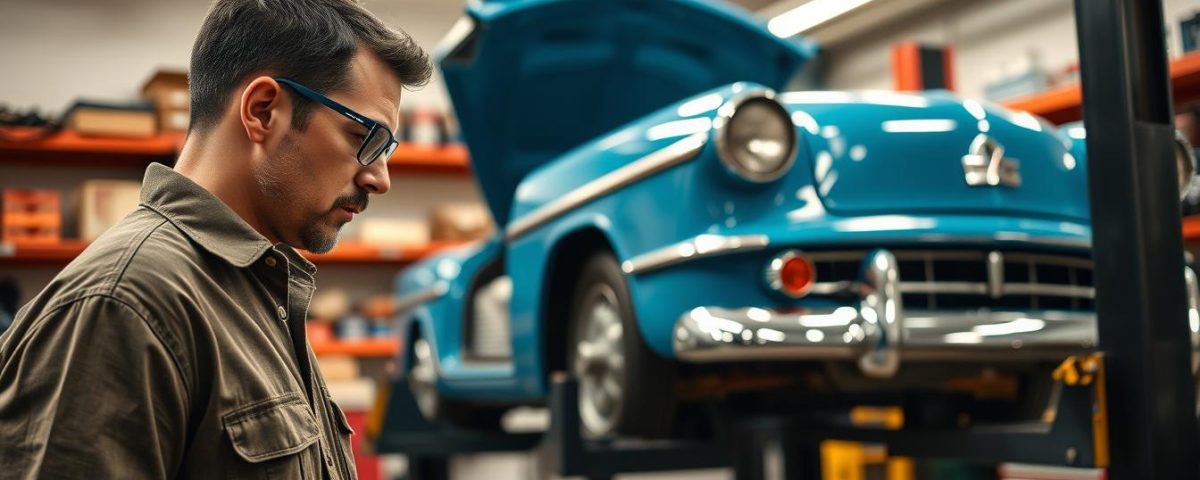
After a major collision, fixing your vehicle can seem overwhelming. At Miracle Body and Paint Collision Center, we get how tough extensive damage repair can be. We know how vital it is to get professional help.
Our team is skilled in car restoration repair. We pay close attention to every detail. From checking the damage to finishing the repairs, we’re here to help. We make sure you know what’s happening and offer top-notch service.
Fixing your vehicle is more than just repairing damage. It’s about making it look and work like new again. Count on Miracle Body and Paint Collision Center to make your vehicle shine.
Key Takeaways
- Understanding the importance of professional help in extensive damage repair.
- Expertise of Miracle Body and Paint Collision Center in car restoration repair.
- Steps involved in restoring a vehicle after a major collision.
- The significance of transparency and quality service in the repair process.
- Restoring both the beauty and functionality of your vehicle.
The Impact of Major Collisions on Vehicles
After a big crash, vehicles often show a lot of damage. This damage can hurt the car’s structure and safety features. It’s key to know how bad the damage is for safe car restoration repair.
Physical Damage Assessment
Checking the damage is the first step. It’s about finding all the damage, both seen and hidden. This helps figure out how much work is needed to fix the car.
Visible vs. Hidden Damage
Damage that’s easy to see includes dents, broken lights, and broken windows. But, there’s also hidden damage. This might be things like the car’s frame being off or internal problems that aren’t so easy to spot.
Structural Integrity Concerns
Big crashes can really mess up a car’s structure. This can cause problems later on if not fixed right. It’s very important to fix the car’s frame and body well to keep it safe and strong.
Safety Implications Following Severe Collisions
Severe crashes can really affect a car’s safety. This includes problems with safety features and issues that might show up later.
Compromised Safety Systems
Things like airbags, seatbelts, and ABS can get damaged in a big crash. It’s very important to check these systems to make sure they work right.
Long-term Vehicle Reliability Issues
If damage from a crash isn’t fixed right, it can cause big problems later. This can lead to expensive fixes. A full rebuild is needed to avoid these problems.
| Damage Type | Visible Symptoms | Hidden Risks |
|---|---|---|
| Physical Damage | Dents, broken parts | Structural weaknesses |
| Safety System Damage | Airbag deployment, ABS malfunction | Hidden faults in safety systems |
Initial Steps After a Collision
When your car gets into a bad crash, knowing what to do first is key. The first step is to figure out how bad the damage is and what to do next.
Documenting the Damage Properly
Getting your insurance claim and repair right starts with good documentation. Take clear, detailed photos of the damage and write down important details at the scene.
Photography Best Practices
Use a camera or smartphone to take sharp photos from different angles. Make sure the pictures are bright and show all the damage.
Information to Record at the Scene
At the scene, write down the location, time, and date of the crash. Also, note who was involved and any witness statements. This info is very helpful for your insurance claim.
Contacting Insurance Companies Effectively
Telling your insurance company quickly is important. Be ready to give them all the details and follow their steps.
Required Documentation
Insurance companies usually want your policy number, claim details, and damage photos. Having these ready helps speed up the process.
Timeline Expectations
Insurance claims take time. Ask your insurer about how long they expect to take to process your claim and fix your car.
Selecting a Qualified Collision Repair Center
Picking the right repair shop is critical for extensive damage repair. Look for shops with the right certifications and experience.
Certification Standards to Look For
Make sure the repair shop is certified by groups like the Inter-Industry Conference on Auto Collision Repair (I-CAR) or the National Institute for Automotive Service Excellence (ASE).
Questions to Ask Possible Repair Shops
- What experience do you have with extensive damage repairs?
- Can you provide references or examples of previous work?
- What is your process for ensuring quality and warranty on repairs?
| Certification | Description | Benefit |
|---|---|---|
| I-CAR | Inter-Industry Conference on Auto Collision Repair | Ensures technicians are trained in the latest repair techniques |
| ASE | National Institute for Automotive Service Excellence | Certifies repair shops for quality and professionalism |
Professional Damage Assessment Process
Getting the damage right is key to fixing a car well. It needs old-school checks and new tech. This step is vital to find all damage and fix it right.
Comprehensive Visual Inspection Techniques
First, a detailed look is done. This checks the car’s outside and inside.
Exterior Damage Evaluation
Outside, they look for dents, scratches, and paint issues. They also check the glass for damage.
Interior and Mechanical Assessment
Inside, they check the dashboard, seats, and carpets. They also look at the engine, transmission, and suspension for damage.
Advanced Computer-Aided Diagnostics
Today’s shops use new tech for better damage checks.
3D Measuring Systems
3D systems give exact body measurements. This helps spot small issues.
Electronic System Scanning
They scan the car’s computer for errors. This finds problems early.
| Diagnostic Tool | Purpose | Benefits |
|---|---|---|
| 3D Measuring Systems | Precise body measurements | Accurate damage assessment |
| Electronic System Scanning | Checking electronic systems | Identifies malfunctions early |
Structural Integrity Evaluation Methods
Checking the car’s structure is very important after a crash.
Frame Analysis Technology
Frame tech checks the car’s frame for damage. It finds bends and twists.
Stress Point Identification
They find weak spots in the structure. This makes sure these areas get fixed right.
By using detailed checks, new tech, and structural checks, experts get a clear picture of the damage. This careful method is key to fixing the car right. It makes sure the car is as good as new or even better.
Understanding Your Insurance Coverage for Collision Repair
After a big collision, knowing your insurance is key for a smooth car restoration repair process. Insurance plans differ a lot. Knowing what your policy covers helps you get through the repair process better.
Types of Collision Insurance Policies
There are many insurance policies that might cover car restoration repair. It’s important to understand the differences between them.
Comprehensive vs. Liability Coverage
Comprehensive coverage covers damage not from collisions, like theft or natural disasters, plus collision damage. Liability coverage pays for damages to others in an accident. For car restoration repair, you’ll usually need the former.
Deductible Considerations
Your deductible is what you pay before insurance kicks in. A higher deductible can lower your monthly payments but means more upfront costs for car restoration repair.
Navigating the Claims Process Successfully
Going through the insurance claims process can be tough. But being ready can make a big difference.
Documentation Requirements
To file a claim, you’ll need to show detailed damage photos and repair estimates. Keeping good records helps the process go smoother.
Timeline Expectations
Knowing how long claims take can help you plan. Insurance companies usually have a set time to check damages and approve repairs.
Effective Communication with Insurance Adjusters
Insurance adjusters are key in figuring out damages and coverage. Talking well with them is very important.
Negotiation Strategies
If you don’t agree with the adjuster, you can negotiate. Being ready with proof and knowing your policy can help your case.
Understanding Repair Estimates
Repair estimates should list everything clearly. Knowing what’s included helps make sure all needed repairs are covered in your car restoration repair plan.
Professional Car Restoration Repair Services
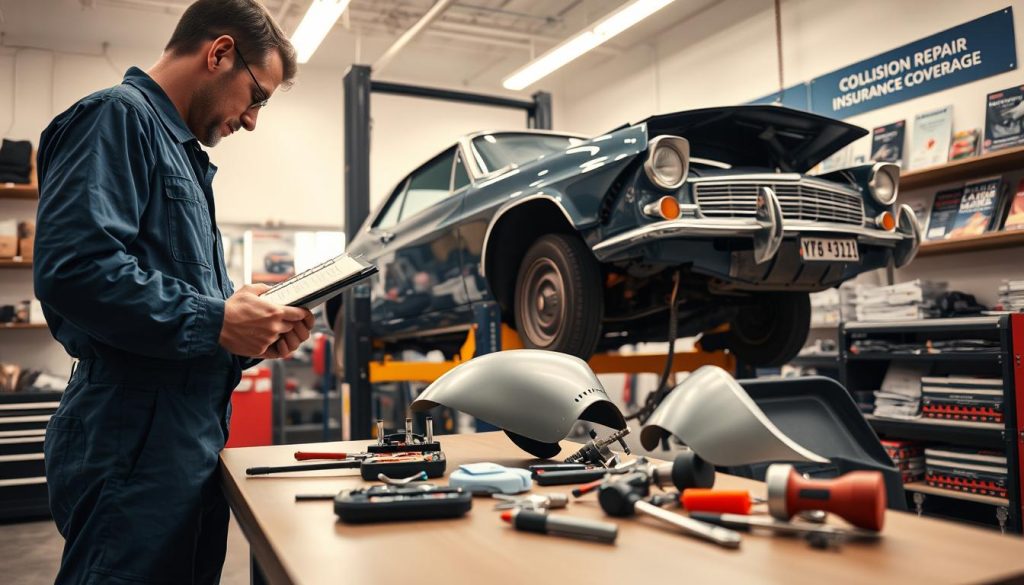
Miracle Body and Paint Collision Center is known for its detailed car restoration. They use the latest technology and skilled craftsmanship. Their services aim to fix both looks and structure of damaged vehicles.
Miracle Body and Paint’s Restoration Approach
The team at Miracle Body and Paint starts with a detailed damage check. They focus on factory-standard restoration to ensure every detail is perfect.
Factory-Standard Restoration Commitment
They use the newest methods and tools to match the vehicle’s original state. This makes the car look and run like new.
Certified Technician Expertise
Their certified technicians can handle tough repairs. They make sure the vehicle is fixed to its pre-collision condition.
State-of-the-Art Equipment and Facilities
Miracle Body and Paint uses state-of-the-art equipment for top-notch repairs. They have advanced tools and systems approved by manufacturers.
Precision Measuring Systems
Their precise measuring tools help in accurate assessments and repairs. This ensures the vehicle’s structure is fixed right.
Manufacturer-Approved Repair Tools
Using approved tools by manufacturers ensures repairs meet high standards. This keeps the vehicle safe and intact.
OEM vs. Aftermarket Parts Considerations
Choosing between OEM and aftermarket parts is important. Knowing the differences helps make a better choice.
Quality and Fitment Differences
OEM parts fit perfectly and keep the vehicle safe and performing well. Aftermarket parts might be cheaper but may not fit as well.
Warranty Implications
OEM parts usually come with a warranty. This gives peace of mind and protects against future issues.
In summary, Miracle Body and Paint offers top car restoration services. They focus on quality, use advanced tech, and have skilled craftsmen. This ensures your vehicle is fixed to its original state.
The Complete Vehicle Rebuild Process
The vehicle rebuild process is a detailed series of steps. It turns a damaged car into a safe and working vehicle. This is key to getting the car back to its original state and making it safe to drive.
Systematic Disassembly and Parts Ordering
The first step is to take apart the damaged parts of the vehicle. This is important to see how bad the damage is and what needs fixing or replacing.
Damage Documentation Protocols
While taking things apart, technicians follow strict rules to document the damage. This detailed record helps plan the repairs and is important for insurance.
Parts Sourcing Strategies
Finding the right parts is a big part of the rebuild. It’s about finding trusted suppliers and making sure the parts are of high quality.
Frame and Structural Repair Techniques
The techniques for fixing the frame and structure are advanced. They help make the vehicle strong again. This includes special ways to fix and straighten metal.
Pulling and Straightening Methods
Special tools are used to fix the frame. This makes sure it’s back to its original shape.
Sectioning and Replacement Procedures
If the damage is too much, parts of the frame might need to be cut out and replaced. This is done to fix the car properly.
Body Panel Replacement and Alignment
Replacing and aligning body panels is important. It makes the car look good and ensures all panels fit right.
Welding and Bonding Technologies
Modern welding and bonding methods are used to attach new panels. This creates a strong and lasting bond.
Gap and Flush Standards
Technicians follow strict standards for gaps and flushes. This ensures all panels are aligned and fit perfectly.
Advanced Techniques in Extensive Damage Repair
Advanced techniques are key to fixing a badly damaged car back to its original state. These methods make sure repairs are done right and safely. They keep the car safe and sound.
Computerized Frame Straightening Technology
Today’s repair shops use computerized tech to fix a car’s frame. This tech includes:
- Laser Measurement Systems: These give exact measurements to find damage spots.
- Hydraulic Pulling Equipment: This tool uses force to straighten the frame.
Precision Measuring Systems for Perfect Alignment
Precision systems are used to align parts correctly. They help with:
- Factory Specification Restoration: Repairs are made to meet the maker’s standards.
- Dimensional Accuracy Verification: It checks if all measurements are right and consistent.
Modern Welding and Joining Techniques
Modern welding and joining are essential in fixing damaged cars. The methods include:
- MIG and TIG Welding Applications: These make strong welds with little distortion.
- Adhesive Bonding Technologies: They add strength and durability to fixed areas.
By using these advanced methods, repair shops can fix cars safely and well. They meet or beat the original maker’s standards.
Paint Matching and Refinishing Excellence
Getting a car’s paint just right is key to a top-notch restoration. It takes advanced tech, skilled hands, and knowing the paint’s original look.
Computerized Color Matching Technology
Today’s car repair shops use computer tech for perfect paint colors. Here’s how:
- Spectrophotometer Analysis: This tool checks the paint’s color and makes a formula to match it.
- Custom Color Formulation: Based on the analysis, a special paint is made to match the car’s original color.
Multi-Stage Painting Process Details
For a top finish, a multi-step painting process is needed. Here are the steps:
- Primer Application and Preparation: A primer is applied to get the surface ready for paint.
- Base Coat and Color Application: The base coat and color are applied to match the car’s original look.
Clear Coat Application and Curing Methods
The last step is adding a clear coat for protection and shine. The methods used are:
- UV Protection Technology: This adds a layer to stop the paint from fading from sun exposure.
- Finish Durability Enhancement: Special curing methods make the finish last longer.
By using computer tech, a multi-step painting process, and special clear coat methods, car repair shops can make cars look like new again.
Mechanical Systems Restoration
Mechanical systems restoration is key in fixing a damaged vehicle. It focuses on the engine, transmission, suspension, and electrical systems. These parts may be hurt after a big crash, which can harm the car’s performance and safety.
Engine and Transmission Assessment Protocols
The first step is to check the engine and transmission. This is done through performance testing methods. These tests look for problems with power, shifting, and overall performance.
Performance Testing Methods
These tests are done on a chassis dynamometer or by driving the car. They check how the engine and transmission work under different conditions.
Fluid Analysis and Replacement
Engine oil, transmission fluid, and coolant are checked for damage. Replacement is done if needed. This keeps these important parts working well.
Suspension and Steering Repair Standards
The suspension and steering are checked for damage or wear. The focus is on alignment specifications to ensure the car handles right.
Alignment Specifications
Advanced equipment is used to adjust the suspension. This is done to meet the maker’s specs. It helps with even tire wear and stable driving.
Component Replacement Criteria
Parts that can’t be fixed are replaced with OEM or similar parts. This keeps the car’s performance and safety up to standard.
Comprehensive Electrical System Diagnostics
The electrical system, including computer modules and wiring, is checked for damage or problems.
Computer Module Testing
Special equipment is used to test computer modules. This checks for faults or bad data, making sure they work right.
Wiring Harness Inspection and Repair
Wiring harnesses are checked for damage. Any bad parts are fixed or replaced to avoid future electrical problems.
Quality Control in the Vehicle Rebuild Process
Quality control is key in car restoration repair. Miracle Body and Paint focuses on this with strict inspection rules. The rebuild process is detailed and needs a solid quality control system. This ensures every part meets top standards.
Miracle Body and Paint’s Multi-Point Inspection Protocols
Miracle Body and Paint uses a detailed inspection plan to check their work. This includes:
Structural Integrity Verification
They check the vehicle’s structure to make sure it’s safe and strong.
Fit and Finish Evaluation
Inspectors look at how well body panels fit and match, aiming for a perfect finish.
| Inspection Criteria | Description | Standard |
|---|---|---|
| Structural Integrity | Verification of frame and body structure | OEM Specifications |
| Panel Alignment | Checking gaps and flushness of panels | Industry Standards |
| Paint Quality | Evaluation of paint finish and color match | Manufacturer Guidelines |
Thorough Road Testing Procedures
Road testing is a key part of quality control. It lets techs check how the vehicle performs in real life.
Performance Benchmarking
They test the vehicle’s speed, braking, and handling to meet expectations.
Noise, Vibration, and Harshness Testing
Inspectors look for any odd sounds, vibrations, or harshness that might show a problem.
Final Detailing Standards and Presentation
The last step is detailed cleaning to make the vehicle look and feel new.
Interior Restoration Process
Technicians fix the interior, cleaning, repairing, or replacing parts as needed.
Exterior Finishing Touches
The exterior is polished and checked for any flaws, aiming for a perfect finish.
For more on the collision repair process, check out Miracle Body and Paint’s guide.
Timeline Expectations for Major Collision Repairs
After a major collision, it’s important to know how long repairs will take. The time needed can change a lot based on several key factors.
Key Factors Affecting Repair Duration
Several things can affect how long repairs take.
Parts Availability Considerations
Having the right parts is key. Specialized or hard-to-find parts can cause delays. But, parts that are easy to get can speed things up.
Extent of Damage Variables
The damage’s extent also matters a lot. More extensive damage means more time for checking, fixing, and checking again. This makes the whole process longer.
Transparent Communication During the Repair Process
Keeping owners in the loop is very important.
Progress Updates and Documentation
Regular progress updates and detailed records are key. This includes showing photos of the work and explaining what’s been done.
Milestone Notifications
Milestone notifications tell owners about big steps in the repair, like fixing the frame or matching the paint.
Temporary Transportation Solutions
Repair centers often help with getting around.
Rental Car Arrangements
Many places offer rental car arrangements. This way, owners can keep moving while their car is fixed.
Insurance Coverage for Alternative Transportation
It’s important to know about insurance coverage for getting around. Many policies help pay for rental cars while your car is being fixed.
Post-Repair Vehicle Care and Maintenance
Keeping your car in great shape after a car restoration repair is important. Good care makes the repair last longer and keeps your car running well and safe.
Special Considerations for Recently Repaired Vehicles
After a big repair, your car needs extra care. Watch for the break-in period for new parts and look out for any problems.
Break-in Period Recommendations
It’s key to follow the break-in steps for new parts. This makes sure they work right and last longer.
Monitoring for Possible Issues
Listen for odd noises, feel for vibrations, and watch for any performance problems. Catching small issues early can stop them from getting bigger.
Comprehensive Warranty Information on Repairs
Knowing your warranty is important after a rebuild process. It gives you peace of mind and protects you from future repair costs.
Miracle Body and Paint’s Guarantee
At Miracle Body and Paint, we back our work with a full guarantee. Our warranty covers parts and labor, so you’re safe if something goes wrong.
Manufacturer Warranty Preservation
We make sure our repairs don’t mess up your car’s original warranty. This is key for keeping your warranty valid.
Importance of Follow-up Inspections
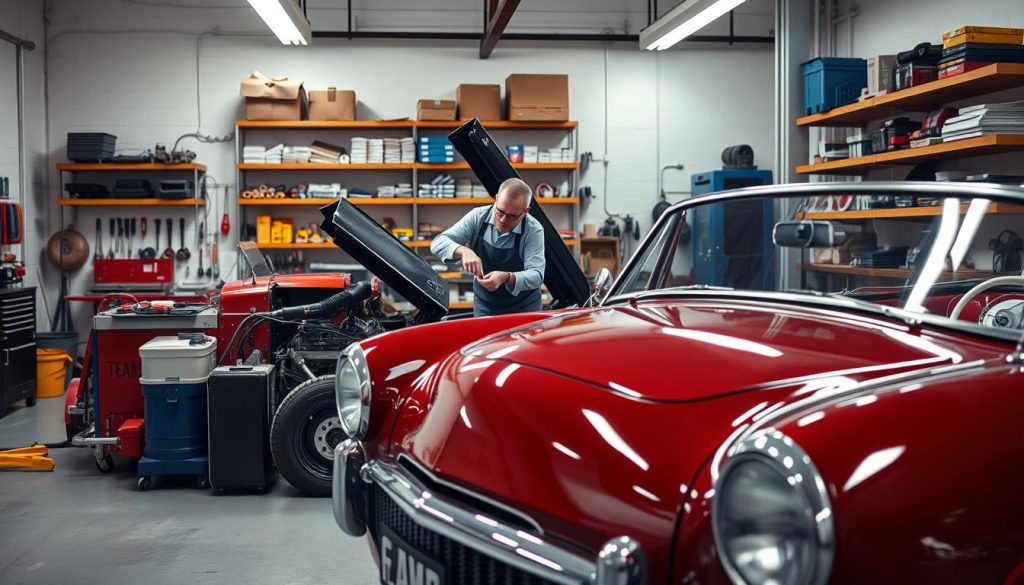
Regular inspections are key for your car’s health after a repair. These checks spot problems early.
Scheduled Check-up Benefits
Inspections on schedule catch issues before they get big. This saves you from costly repairs later.
Long-term Performance Evaluation
Regular checks also check how your car is doing over time. This ensures it stays safe and runs well.
Conclusion: Trusting Experts for Your Vehicle’s Restoration
Fixing a car after a big crash needs special skills, mainly for big repairs. It takes a detailed check, new repair methods, and a focus on quality.
At Miracle Body and Paint Collision Center, the team knows how to fix cars back to new. They use the latest tools and tech for top-notch repair services.
In San Antonio, there are two easy-to-reach centers. The North West San Antonio – Leon Valley center is at (210) 680-1987, at 6217 Grissom Rd., San Antonio, TX 78238. The North East San Antonio center is at (210) 858-3630, at 4650 Walzem Rd, San Antonio, TX 78218.
Choosing experts for your car’s fix means you get a safe, reliable, and quality job. For big repairs and more, check out Miracle Body and Paint Collision Center.