


Can Your Insurance Company Choose Your Body Shop?

The Difference OEM Certified Repairs Can Make
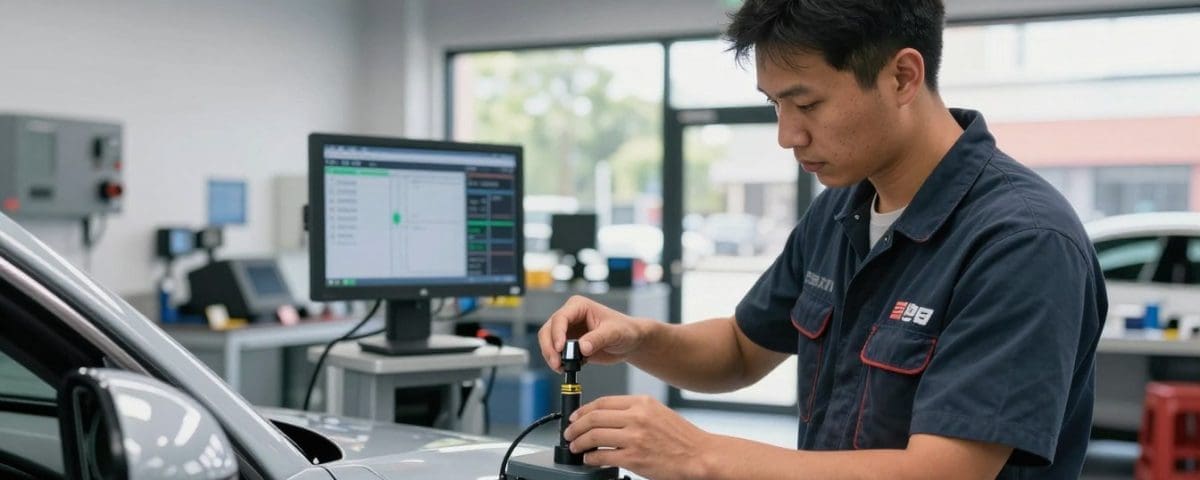
Modern cars are amazing, thanks to sensors and cameras that keep us safe. Even a small crash can mess with these parts. You might think your car is fixed when it looks good, but hidden electronic misalignments can stay.
Not fixing these systems right can make your safety features fail when you need them. ADAS calibration San Antonio services make sure everything is set right. Skipping this step risks your car’s safety.
Getting your car fixed right is key to its safety. Don’t just look at the outside. Prioritizing precision means your car’s tech works as it should.
Key Takeaways
- Even small crashes can move sensors and cameras.
- Just looking at the outside doesn’t mean everything is fixed.
- Getting ADAS calibration in San Antonio is essential for safety.
- Out-of-place sensors can cause safety features to not work right.
- Aligning everything is a must after any crash repair.
Understanding ADAS and Its Importance
If you drive a modern vehicle, you’re likely using safety features every time you drive. These technologies quietly watch your surroundings and help avoid dangers on the road.
Knowing how these vehicle safety systems work is key to keeping you safe. It’s important to maintain them, including ADAS calibration, to ensure they function as intended.
What is ADAS?
Advanced Driver Assistance Systems, or ADAS, are electronic technologies that help drivers. They use cameras, radar, and ultrasonic sensors around your vehicle.
These sensors scan your surroundings constantly. They send data to the car’s computer in real-time. This helps the vehicle make quick decisions to prevent accidents.
Key Features of ADAS
Modern vehicles have many features to improve your driving. These tools aim to reduce mistakes and make roads safer.
- Forward Collision Warning: Warns you of an impending crash with the vehicle ahead.
- Automatic Emergency Braking: Brakes automatically if you don’t react to a collision threat.
- Blind Spot Monitoring: Detects vehicles in your blind zones and alerts you before lane changes.
- Lane Departure Warning: Keeps an eye on lane markings to prevent unintentional drifting.
- Adaptive Cruise Control: Keeps your speed to maintain a safe distance from the car in front.
Benefits of Advanced Driver Assistance Systems
The main benefit of these vehicle safety systems is fewer accidents. They give you an extra set of “eyes” on the road, making driving in complex traffic safer.
These systems also give you peace of mind for you and your passengers. But, remember, they need precise alignment. If your sensors are bumped or replaced, you’ll need professional ADAS calibration to keep them working right.
The Impact of Collisions on ADAS
Even a small fender bender can harm the tech inside your car. You might see dents or scratches, but the vehicle safety systems are more at risk. These systems need precise positioning, which can be disrupted by a crash.
Common Systems Affected by Collisions
Today’s cars have sensors to watch the road. These sensors are often in spots that get hit first, like the front bumper and windshield.
Forward cameras, radar units, and ultrasonic sensors are hit the most. When they get knocked, they can’t send the right info to your car’s computer.
How Damage Impacts ADAS Functionality
These systems need to be very precise to work right. A small change in sensor alignment can mess up how your car sees distance. This can lead to slow braking or wrong lane-keeping help.
Even a small bend or a new bumper can mess up sensor readings. If the mounting is off, the vehicle safety systems get bad info. This makes your driving less safe.
| Collision Type | Primary Sensor Risk | Functional Consequence |
|---|---|---|
| Front Bumper Impact | Radar/Ultrasonic | Adaptive Cruise Failure |
| Windshield Damage | Forward Camera | Lane Departure Errors |
| Side Mirror Strike | Blind Spot Sensor | Missed Object Detection |
| Rear-End Collision | Rear Radar/Camera | Reverse Assist Failure |
What is ADAS Calibration?
Modern cars use complex sensors that need to be aligned just right. ADAS calibration makes sure your car’s safety features work as they should.
Many people think a simple fix or scan will do after an accident. But, this process is much more than just clearing codes from your dashboard.
Definition of ADAS Calibration
This process resets your car’s sensors, cameras, and radar to match exact factory specifications. Even small accidents can move these parts by just a few millimeters.
Technicians use special tools to make sure every sensor is in the right place. This ensures the computer gets the right data from the road. This is key for features like lane-keeping assist and automatic emergency braking.
Why Calibration is Necessary
You might ask why calibration is needed after repairs or maintenance. The main reason is safety. If sensors are off, your car might not see obstacles or react right to traffic.
Precision is non-negotiable for your safety systems. A proper ADAS calibration ensures your car’s safety features work as expected. Skipping this could lead to serious safety issues on the road.
Signs Your Vehicle Needs ADAS Calibration
Many drivers think their car is fine if no warning lights come on. But, silent failures can happen where systems work but give wrong data.
Warning Lights and Alerts
A steady warning light on your dashboard means you need ADAS calibration. These lights show a sensor issue or a problem with the car’s computer.
Don’t ignore messages saying a system is “unavailable” or “needs service.” These alerts mean your protective shield is not working right. Fixing these issues quickly keeps your safety features working well.
Uneven Sensor Behavior
Pay attention to how your car drives. If it drifts out of its lane, even with lane-keep assist on, sensors are off. ADAS calibration fixes this by making sensors work better.
Other signs include slow emergency braking or false alerts about obstacles. These problems mean sensors can’t see things right. If your car acts strangely, you need a pro to keep it safe.
| Symptom | Potential Issue | Action Required |
|---|---|---|
| Dashboard Warning Light | Sensor Communication Error | Schedule ADAS calibration |
| Lane Departure Drift | Camera Misalignment | Professional Inspection |
| Delayed Braking | Radar Calibration Error | System Recalibration |
| Phantom Obstacle Alerts | Sensor Interference | Diagnostic Testing |
The ADAS Calibration Process

When your car gets fixed, the ADAS calibration makes sure all sensors work right. This is key for keeping you and your family safe on the road. Without it, your car might not spot dangers well.
Steps Involved in Calibration
The first step is to set up your car in a special shop with flat floors. The lighting must be just right to avoid messing with the camera sensors. This careful setup is the base for a good ADAS calibration.
After getting everything ready, the tech connects your car to special software. They place targets at specific spots and angles around your car. The software checks if the sensors match these targets.
Tools and Equipment Used
Experts use top-notch tools for this job. These include laser tools and special target boards for your car’s type. The right tools are essential for keeping your safety systems working.
The table below shows what you need for a standard calibration:
| Equipment Type | Primary Function | Importance Level |
|---|---|---|
| OEM Software | Communicates with ECU | Critical |
| Calibration Targets | Provides visual reference | High |
| Laser Levelers | Ensures geometric accuracy | High |
| Diagnostic Scanner | Verifies ADAS calibration | Critical |
Types of ADAS Calibration
It’s important to know the difference between shop-based and road-based ADAS calibration for car safety. When your car gets fixed, the techs need to pick the right ADAS calibration method to get it back to factory settings.
Static Calibration Explained
Static calibration happens in a controlled shop setting. Techs use specialized targets and stands at exact distances from the car’s sensors.
This method needs a perfectly level floor and specific lighting. It ensures the cameras and radar units are correctly aligned. This is key for systems that need fixed visual markers.
Dynamic Calibration Explained
Dynamic calibration is done by driving the car on the road. The car uses its sensors to relearn while moving at set speeds and in different traffic conditions.
Technicians use a diagnostic scan tool to watch the calibration progress. This method makes sure the ADAS calibration works well in real driving situations. Some cars need both static and dynamic calibration to work fully.
| Feature | Static Calibration | Dynamic Calibration |
|---|---|---|
| Location | Controlled Shop | Public Roads |
| Primary Tool | Targets and Stands | Diagnostic Scan Tool |
| Environment | Level, Indoor Space | Variable Road Conditions |
| Process Type | Manual Alignment | Automated Learning |
Choosing the right ADAS calibration depends on your car’s maker. Always talk to a certified pro to make sure your safety systems are working right.
The Role of Professionals in ADAS Calibration
When your car’s safety systems fail, you need a pro. Modern cars have many sensors that must work together perfectly. Trying to fix them yourself can be very dangerous.
Qualifications of Calibration Technicians
Certified technicians get special training for car safety systems. They know how to fix sensors the right way, following the car maker’s rules. They can read complex data that others might miss.
These experts don’t just look at a manual. They know how sensors should be placed. They follow strict rules to make sure your ADAS calibration is done right. This is key for keeping your car safe.
Importance of Specialized Training
Driver assistance systems change fast, so technicians need to keep learning. They learn about special software and hardware for different cars. Without this knowledge, small mistakes can be big problems.
Going to a professional service is safer. Safety is not a luxury, and experts make sure your car works right. Here’s why you should choose a pro for your car.
| Feature | Professional Service | Amateur Attempt |
|---|---|---|
| Technical Training | Certified & Ongoing | None or Minimal |
| Equipment Quality | OEM-Approved Tools | Generic or Outdated |
| ADAS Calibration | Precise & Validated | Unreliable & Risky |
| Safety Guarantee | Full Compliance | No Accountability |
The Risks of Skipping ADAS Calibration
Ignoring your car’s ADAS calibration after a crash is risky. You might think a quick look is enough, but today’s cars need more. Skipping these checks means your car’s safety features aren’t working right.
Potential Safety Hazards
Skipping this step can lead to big safety problems. If your sensors are off by just a bit, your car might not see things it should. This can cause your car to brake late or not at all when it’s needed most.
Also, systems like lane-keeping and cruise control need to be just right. Without the right ADAS calibration, they can steer you wrong. It’s not safe to rely on untested tech for your safety.
Legal and Financial Consequences
Not fixing your car right can also lead to legal and money troubles. If you’re in another accident, it might be your fault if your vehicle safety systems aren’t working. This could make you liable, even if someone else was at fault.
Insurance companies don’t like it when repairs aren’t done right. If you skip ADAS calibration, they might not cover claims if something goes wrong. Keeping your finances safe means making sure your car is fixed the way it should be.
Regulations and Standards for ADAS Calibration
The car industry now demands rigorous documentation requirements for safety repairs. With more complex technology, standard procedures are key. These steps keep your vehicle safe after a crash.
Industry Standards
Car makers give specific repair steps for shops to follow. They say proper ADAS calibration is needed when sensors or cameras are touched. Insurers want detailed scan records to check if repairs meet factory standards.
Keeping these records shows a shop’s dedication to quality and safety. This proof is vital to show the car’s systems were fixed right. Without it, a shop could face big legal problems if a system fails.
State and Federal Regulations
Laws about car safety tech are getting stricter, with more federal oversight. Rules aim to make ADAS calibration as important as fixing the car’s body. These rules keep you safe by making shops responsible for their work.
Insurance companies also push for these standards by asking for calibration proof before paying. This financial accountability makes shops better at their jobs. In the end, these rules make driving safer by ensuring safety systems work as they should.
ADAS Calibration After Different Types of Repairs

Even small repairs can mess with your safety systems. Many think ADAS calibration is only for big accidents. But, your vehicle’s sensors are very sensitive to even small changes.
Any repair near your sensors or cameras needs a pro’s check. Keeping these parts aligned is key for your driver aids to work right.
Collision Repairs
Damage from a crash can change your car’s frame and sensor spots. Even small damage can move sensors a bit.
This small move can make your safety systems fail. Professional technicians must do a detailed ADAS calibration after repairs to get sensors back to factory settings.
Routine Maintenance
Even simple tasks like replacing a windshield need sensor recalibration. Cameras mounted on the glass can change their view when removed and put back.
Not calibrating these cameras can cause inaccurate lane departure warnings or fail your emergency braking. Make sure your service includes a full system check in their maintenance.
| Repair Type | Sensor Impact | Calibration Required |
|---|---|---|
| Windshield Replacement | High (Camera alignment) | Yes |
| Bumper Repair | Moderate (Radar shift) | Yes |
| Wheel Alignment | Low to Moderate | Recommended |
| Suspension Work | Moderate | Yes |
The Cost of ADAS Calibration
Keeping your car’s advanced safety features in top shape is a wise choice. These systems offer invaluable protection but need special care after a crash or repair.
Factors Affecting Calibration Costs
Several things can change how much you’ll pay for this service. Each car maker uses different sensors, so the time and tech needed for ADAS calibration can differ a lot.
Here are the main things that affect your bill:
- Vehicle Complexity: Cars with lots of cameras and sensors need more work.
- Calibration Method: Static calibration needs special targets and space, while dynamic calibration is done on a test drive.
- Diagnostic Requirements: Techs must scan the whole system to check for any hidden issues.
Average Pricing in San Antonio
Looking for ADAS calibration San Antonio services? Prices usually show the high precision needed. It’s key to pick a place with the latest tools for your safety.
Miracle Body and Paint Collision Center is a reliable choice in San Antonio. They offer clear estimates so you know what to expect.
| Service Type | Complexity Level | Estimated Effort |
|---|---|---|
| Basic Camera Reset | Low | Standard |
| Radar & Camera Alignment | Moderate | High |
| Full System Recalibration | High | Very High |
Choosing professional ADAS calibration San Antonio means your car will last longer. Contact a skilled shop to talk about your car’s needs and get a precise quote for ADAS calibration.
Finding a Reliable ADAS Calibration Service
Choosing the right shop for your vehicle’s safety systems is key after an accident. These systems need precise sensor alignment. Your safety depends on the accuracy of these adjustments.
A good facility will tell you if calibration is needed and how they check it. When looking for ADAS calibration San Antonio services, pick shops that use the car maker’s methods.
Researching Local Services
Begin by finding shops that focus on modern car tech. Ask if they follow the car maker’s repair steps for each job. A pro shop will always check the car’s service manual.
Also, ask if they give documented results after the job. A report showing before and after data proves the system works right. This is important for your records and future safety.
Evaluating Experience and Reviews
It’s also important to check the tech’s skills. Look for certifications from known car groups, showing they keep learning. Experience is key with sensitive systems.
When choosing a shop for ADAS calibration, consider these:
- Technician Certification: Do they have the right credentials for ADAS?
- Customer Feedback: Check online reviews for clear communication.
- Equipment Quality: Do they use the latest tools for the job?
- Insurance Compatibility: Will they work with your insurance to cover the repair?
By checking these details, you make sure your ADAS calibration is done right. A reliable ADAS calibration San Antonio service means your car is safe to drive.
FAQs About ADAS Calibration
Modern cars have many safety features, but knowing how to keep them working right can be tricky. Many drivers wonder about the upkeep for ADAS calibration.
How Often Should ADAS Be Calibrated?
Unlike simple car services like oil changes, there’s no mileage rule for ADAS calibration. It’s needed after certain events that might mess with your car’s sensors or cameras.
If you’ve been in a crash, even a small one, you should get it checked. Also, if you replace your windshield or fix your suspension, you’ll need to calibrate it again. This keeps your car’s safety systems perfectly aligned with the road.
Can I Calibrate ADAS Myself?
Many think they can do this at home. But, ADAS calibration is a complex task that needs special tools and follows strict rules.
Trying to do it yourself is extremely dangerous. It could make the system fail. Only certified techs with the right tools should do it. They ensure your car works safely.
The Future of ADAS and Calibration Technology
The world of car repair is changing fast as cars get smarter. Modern vehicles use complex software and hardware to interact with their surroundings. This means collision repair technology needs to keep up with the latest car tech.
Innovations in ADAS Technology
Car makers are exploring new limits for what cars can do. Future cars will use advanced lidar, radar, and cameras for a full view of the road. These next-generation sensors will need even more precise calibration.
As cars become more self-driving, they’ll rely more on software. Technicians must keep up with the latest collision repair technology. This ensures all sensors work well with the car’s computer. Without this, safety features might not work right.
Predicting Calibration Needs
The need for professional services is growing fast. By 2025, over 23% of all repairs will need ADAS calibration. This number will go up as more cars come with safety features.
ADAS calibration will soon be a key part of every major repair. As these systems get more complex, mistakes can’t be made. Shops need to invest in special training and tools to stay ahead.
Keeping vehicles safe depends on your dedication to ADAS calibration. By focusing on this, you keep your car safe and reliable. Keeping up with new tech is key to protecting your investment and staying safe on the road.
Conclusion: Prioritizing ADAS Calibration
Fixing your car after an accident is more than just cosmetic work. It’s about making sure your safety systems work right. This gives you peace of mind.
Getting your ADAS systems calibrated is key to a full repair. It uses the latest technology to fix your car. This keeps your passengers safe and your car’s value high.
Finding a repair shop that knows about today’s car tech is important. Miracle Body and Paint Collision Center has the skills to handle these systems with care.
Visit us at one of our San Antonio locations. Our North West shop is at 6217 Grissom Rd., San Antonio, TX 78238. Call (210) 680-1987 to set up a time.
Or, check out our North East San Antonio spot at 4650 Walzem Rd, San Antonio, TX 78218. Call (210) 858-3630 to book your appointment. Let us get your car running and safe again.
Advanced Driver Assistance Systems (ADAS) have changed how we drive. They add an extra layer of safety with high-tech features. But, these systems need to be precise. Even a small accident can mess up their accuracy.
This guide explains why ADAS calibration is key after a crash. It ensures your car is safe and works right.
Understanding ADAS and Its Importance
### What is ADAS?
ADAS are electronic systems in cars that help keep you safe. They use sensors like radar and cameras to watch the road.
### Key Features of ADAS
Modern cars have features like Lane Departure Warning and Blind Spot Detection. These help prevent accidents by alerting you or taking action.
### Benefits of Advanced Driver Assistance Systems
ADAS can greatly reduce accidents. They help protect everyone on the road by automating safety.
The Impact of Collisions on ADAS
### Common Systems Affected by Collisions
Crashes, like hitting the front or back of another car, can mess up ADAS. Sensors like cameras and radar can get knocked out of place.
### How Damage Impacts ADAS Functionality
Damage, like a bent part, can make sensors work wrong. Even a small misalignment can cause big problems with safety features.
What is ADAS Calibration?
### Definition of ADAS Calibration
Calibration makes sure ADAS sensors and cameras work right. It’s like resetting your car’s safety features.
### Why Calibration is Necessary
Calibration is needed because ADAS systems must be precise. Without it, your car’s safety features won’t work right.
Signs Your Vehicle Needs ADAS Calibration
### Warning Lights and Alerts
One sign is a warning light on your dashboard. But, don’t think it means everything is okay.
### Uneven Sensor Behavior
If your car’s systems don’t work right, like following cars too close, it’s time for calibration.
The ADAS Calibration Process
### Steps Involved in Calibration
The first step is a scan to find any problems. Then, the car’s alignment is checked. Next, special software is used to reset the sensors.
### Tools and Equipment Used
Special tools, like laser levels, are needed for calibration. They help make sure everything is set up right.
Types of ADAS Calibration
### Static Calibration Explained
Static calibration is done in a special bay. Targets are placed around the car to help the sensors get their bearings.
### Dynamic Calibration Explained
Dynamic calibration is done while driving. The car’s computer learns about the road and traffic to fine-tune the sensors.
The Role of Professionals in ADAS Calibration
### Qualifications of Calibration Technicians
Technicians at Miracle Body and Paint Collision Center are well-trained. They know how to fix ADAS systems right.
### Importance of Specialized Training
Only certified techs can keep up with new ADAS technology. They have the right tools and knowledge.
The Risks of Skipping ADAS Calibration
### Possible Safety Hazards
Not calibrating ADAS can be very dangerous. It can cause the car to brake for no reason or not at all.
### Legal and Financial Consequences
Ignoring calibration can lead to big legal and financial problems. Insurance might not cover accidents caused by a faulty system.
Regulations and Standards for ADAS Calibration
### Industry Standards
Groups like I-CAR and SAE have rules for ADAS calibration. They make sure safety systems work right.
### State and Federal Regulations
Laws and insurance companies require proof of calibration after repairs. This keeps everyone safe.
ADAS Calibration After Different Types of Repairs
### Collision Repairs
Any repair that touches sensors needs calibration. This includes fixing bumpers or side mirrors.
### Routine Maintenance
Even simple repairs, like a new windshield or wheel alignment, require calibration. They can affect how sensors see the road.
The Cost of ADAS Calibration
### Factors Affecting Calibration Costs
The cost depends on how many sensors need fixing and if both static and dynamic calibration are needed. Luxury cars might cost more because of their complex systems.
### Average Pricing in San Antonio
In San Antonio, Miracle Body and Paint Collision Center offers clear prices. They have two locations and provide detailed estimates.
Finding a Reliable ADAS Calibration Service
### Researching Local Services
Look for shops that focus on ADAS and have a good track record. Miracle Body and Paint Collision Center is a trusted choice in San Antonio.
### Evaluating Experience and Reviews
Choose a center with certified techs and good reviews. Miracle Body and Paint Collision Center is known for its safety focus.
FAQs About ADAS Calibration
### How Often Should ADAS Be Calibrated?
Calibration is needed after any damage or repair that affects sensors. It’s not a regular maintenance task.
### Can I Calibrate ADAS Myself?
No. Calibrating ADAS requires special tools and software. It’s a job for certified professionals to keep everyone safe.
The Future of ADAS and Calibration Technology
### Innovations in ADAS Technology
ADAS technology is getting more advanced. Future cars will use LiDAR and AI, making calibration even more important.
### Predicting Calibration Needs
Future cars might be able to check themselves for misalignments. But, human experts will always be needed for big repairs.

