

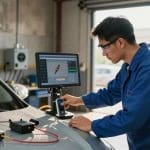
Why ADAS Calibration Matters After Collision Repairs

Hidden Damage After A Car Accident: What Most Drivers Never See

Getting into an accident is stressful and disrupts your daily life. You must choose a place to fix your car. The right choice is essential for your long-term safety and your car’s value.
At Miracle Body and Paint Collision Center, we know your car is complex. Modern cars need careful handling to stay safe. Choosing an OEM certified collision repair means every part meets strict factory standards.
Going for professional standards protects your investment and peace of mind. Our team works to make your car like new again. This way, you avoid hidden problems that bad work can cause. Your safety on the road is too important to risk.
Key Takeaways
- Professional restoration preserves your vehicle’s structural integrity and safety features.
- Choosing the right facility protects the long-term resale value of your car.
- Factory-approved parts ensure that your vehicle performs exactly as the manufacturer intended.
- Substandard work can lead to hidden mechanical or safety issues down the road.
- Miracle Body and Paint Collision Center prioritizes precision to meet strict industry standards.
Understanding OEM Certification in Collision Repair
OEM certification is key for quality and safety in car repairs today. If your car gets damaged, picking a certified shop means it will be fixed right. Peace of mind is what every car owner wants after an accident.
What Does OEM Mean?
OEM stands for Original Equipment Manufacturer. It’s the company that made your car’s parts. A certified shop uses the maker’s approved methods for repairs.
These shops stick to manufacturer repair procedures closely. This ensures repairs are done just like the car was made. Choosing a certified shop means your car gets the same care as when it was new.
Importance of OEM Standards in Repairs
Today’s cars are complex with advanced safety features. Following manufacturer repair procedures is critical. Even small mistakes can harm the car’s structure. Safety should never be a guessing game for your family’s safety.
The table below shows the big differences between certified and non-certified repairs:
| Feature | OEM Certified Repair | Non-Certified Repair |
|---|---|---|
| Repair Methods | Strict manufacturer repair procedures | Generic or improvised techniques |
| Parts Used | Genuine factory-tested parts | Aftermarket or salvaged parts |
| Technician Training | Continuous brand-specific education | General automotive knowledge |
| Safety Systems | Full calibration and testing | Often overlooked or bypassed |
Following these standards protects your investment and keeps your car safe. Using manufacturer repair procedures is the best way to keep your car’s value and safety over time.
Benefits of Choosing OEM Certified Collision Repair Shops
Choosing an OEM certified collision repair shop is a smart move for car owners. These shops go through tough audits to meet your car’s maker standards. You get access to special tools and trained techs who know your car inside out.
Ensured Quality and Safety
Today’s cars are complex, with advanced safety systems. After a crash, these systems need careful fixing to work right. Certified shops focus on vehicle safety by following the maker’s repair steps.
Professional oversight is key for repairs on strong steel and aluminum frames. Without the right tools, repairs might look good but hide problems. Certified techs make sure every repair meets top safety standards.
Preservation of Vehicle Value
Your car is a big investment, and its value depends on its maintenance history. Repairs at a certified shop are documented, proving quality work. This proof helps keep your car’s value when you sell or trade it.
Going to a certified shop means avoiding low-quality parts that can harm your car. Keeping your car’s original quality protects your investment and makes it reliable for years. Here’s a table showing the main differences between certified and non-certified repairs.
| Feature | Certified Repair Shop | Non-Certified Shop |
|---|---|---|
| Repair Standards | Strict OEM Guidelines | Variable/General |
| Technician Training | Factory-Certified | General Experience |
| Vehicle Safety | High Priority/Validated | Not Guaranteed |
| Resale Value | Maintained/Documented | Potentially Lowered |
The Difference Between OEM and Aftermarket Parts
When you take your car to a certified body shop, the parts used are key. Knowing the difference between OEM and aftermarket parts helps you choose wisely for your car’s health.
Pros and Cons of Aftermarket Parts
Aftermarket parts come from companies other than the car maker. They’re often cheaper, which is good if you’re on a tight budget.
But, these parts might not fit perfectly or last as long. They’re made for many cars, not just yours. This can lead to problems with how well they work and how long they last.
How OEM Parts Enhance Performance
OEM parts are made just for your car and are tested for safety and durability. Choosing these parts at a certified body shop means your car works as it should.
These parts keep your car’s performance at its best. They make sure safety features like crumple zones work right. Using genuine parts keeps your car safe and sound after a crash.
| Feature | OEM Parts | Aftermarket Parts |
|---|---|---|
| Fitment | Guaranteed Precision | Variable |
| Quality | Manufacturer Standard | Varies by Brand |
| Safety Testing | Extensive | Limited |
How OEM Certification Affects Insurance Claims
Keeping your vehicle safety in check starts with handling your insurance claim right after a crash. Many drivers get lost in the paperwork and negotiations needed to get their car back to normal. Choosing a certified repair shop can make this easier, as they know how to work with insurance companies.
Navigating Insurance Processes
Choosing a certified shop means you have someone who knows what your car needs. They document every repair step to make sure insurance adjusters agree on the right parts and methods. This is key for keeping your car safe and reliable over time.
Certified shops also have good relationships with big insurance companies. They explain why using the right, approved repair methods is important for vehicle safety. They provide detailed estimates that meet OEM standards, which helps avoid disputes and delays.
Potential Cost Savings with Certified Repairs
It’s tempting to go for the cheapest repair quote, but it might cost more in the long run. Bad repairs can weaken your car’s structure, leading to more costly fixes or even losing your warranty. This can be very expensive.
Choosing quality repairs from the start keeps your car’s value and performance up. You avoid using low-quality parts that can harm your car’s reliability. Here’s a table showing the differences between certified and non-certified repairs.
| Feature | Certified Repair Shop | Non-Certified Shop |
|---|---|---|
| Repair Quality | Meets OEM Standards | Variable Quality |
| Part Selection | Genuine OEM Parts | Aftermarket/Used Parts |
| Warranty Impact | Protects Coverage | May Void Warranty |
| Vehicle Safety | High Priority | Risk of Compromise |
The Role of Trained Professionals in OEM Repairs
Choosing a certified shop means trusting your car to experts. They know how to fix it like the factory did. Modern cars are complex, needing special skills to fix right.
Skillsets Required for OEM Certification
Getting certified is hard work. Technicians need to be very good at working with advanced materials. They also have to pass regular checks to show their work is safe.
They use special tools for each car type. This ensures repairs are done with precision and care. It’s what makes a repair safe and right.
Continuous Training and Updates
Car tech changes fast. Technicians must keep learning. They go to continuous training programs to learn about new manufacturer repair procedures.
Without this, they might miss important details. This could affect your car’s performance. By choosing a place that values continuous education, you know your car is in good hands. It stays safe, just like when it was new.
The Impact of Using OEM Certified Parts on Warranty

Your vehicle warranty is a key safety net that needs careful upkeep. After a collision, the choices you make about repairs can affect your warranty. Picking a certified body shop is the best way to keep your warranty intact.
Understanding Vehicle Warranties
Most factory warranties cover defects in materials and workmanship under normal use. But, they have rules about how repairs must be done after an accident. If you go to a shop that doesn’t follow these rules, you might lose some of your warranty.
Car makers want your vehicle fixed to its original factory state. Following these standards keeps your safety systems and structure in top shape. This is what the warranty was meant to protect.
The Relationship Between OEM Parts and Warranty Coverage
There’s a clear connection between using OEM parts and keeping your warranty valid. Many car makers say using non-OEM or aftermarket parts can mean they won’t cover claims if those parts fail. A certified body shop knows this and uses genuine parts to keep your warranty active.
Choosing OEM parts means you’re getting guaranteed compatibility and performance. These parts are made to work perfectly with your car’s systems, like driver-assistance tech. Using anything else could lead to problems that the maker won’t cover.
Working with a certified body shop gives you the proof and peace of mind you need. It stops future problems with your insurance or the maker. Protecting your investment begins with the right repair choice today.
Common Misconceptions About OEM Certified Repairs
Many car owners think any local body shop can fix their car right after an accident. But, this belief often leads to poor repairs that harm your car’s structure.
Debunking Myths
Some think all parts are the same, but that’s not true. Modern cars use special materials like aluminum and carbon fiber. Without the right training, shops might use wrong welding methods, making your car weaker.
Another myth is that aftermarket parts are as good as original ones. They might look the same, but they don’t pass the same crash tests. Using these parts can make your car less safe in future accidents.
Understanding the True Cost of Repairs
It’s tempting to choose a cheaper repair to save money. But, the true cost includes how it affects your car’s performance and value later. Cheap repairs that don’t follow factory specs can cause more problems and cost more to fix.
Choosing certified repairs keeps your car safe like it was new. It’s better to spend more on quality to protect your family on the road. Here’s why certification is important.
| Feature | Certified Repair | Non-Certified Repair |
|---|---|---|
| Material Usage | Factory-grade metals | Generic aftermarket parts |
| Technician Skill | Manufacturer-trained | General automotive training |
| Vehicle Safety | Maintained to OEM specs | Potentially compromised |
| Long-term Value | Higher resale value | Lower market value |
Choosing the Right OEM Certified Collision Repair Shop
Your vehicle needs the best care, starting with the right shop. When you need OEM certified collision repair, choose a partner that values your safety and car’s integrity. A good shop will be open about its repair standards and skills.
What to Look for in a Repair Facility
A top certified body shop shows a commitment to excellence. Look for proof of training and special equipment for your car. You should trust that the techs know your car’s safety systems well.
A professional repair center is transparent. If a shop won’t explain their process or show their credentials, it’s a warning sign. You want a team that values precision and follows factory-approved methods to fix your car right.
Questions to Ask Before Committing
Before any work, interview the staff. The right questions help you find quality service. Use this checklist to check your options:
- Which specific OEM certification programs is your facility currently enrolled in?
- Do you use genuine factory parts for all structural repairs?
- Can you provide a detailed breakdown of the repair plan and the expected timeline?
- Are your technicians specially trained and certified for my vehicle’s make and model?
In San Antonio, Miracle Body and Paint Collision Center is here to help. We have two locations: North West San Antonio at 6217 Grissom Rd., Leon Valley, (210) 680-1987, and North East San Antonio at 4650 Walzem Rd, (210) 858-3630. Our team is committed to expert care for your vehicle, ensuring your safety and peace of mind.
The Future of OEM Certified Repairs

Vehicles are getting more complex, and so are the ways to fix them. Today’s cars are like computers on wheels, needing advanced repair methods. Keeping up with these changes ensures your car stays safe and reliable.
Technological Advancements in Repair Techniques
The industry is moving towards precision 3D laser measuring and advanced digital diagnostics. These tools help find problems that can’t be seen by the eye. Shops use these systems to make sure repairs meet factory standards.
Digital diagnostics give a detailed look at your car’s health after a crash. This data is key for fixing advanced safety systems. Following strict manufacturer repair procedures ensures these systems work right after repair.
Trends in the Automotive Industry
The car world is heading towards better software and hardware integration. With more use of materials like high-strength steel and aluminum, repair shops need special tools. Continuous education for technicians is now a must for safety.
Top names in the industry focus on being open and using digital records. Following manufacturer repair procedures is key for keeping cars safe and reliable. Choosing a shop that uses the latest tech means your car will last longer.
Conclusion: Investing in OEM Certified Repairs for Peace of Mind
Your car is a big part of your life and keeps you safe. After an accident, picking the right repair is key. It makes sure your car works like it should.
Going for OEM certified collision repair is the best choice for your car. It keeps your warranty safe and your car strong. You’ll know every part is up to safety standards.
Miracle Body and Paint Collision Center is here to fix your car right. Our team uses special skills to fix your car’s damage. We aim for top quality to keep you safe driving.
Stop by our North West San Antonio spot at 6217 Grissom Rd., San Antonio, TX 78238. Or call us at (210) 680-1987. For our North East San Antonio shop, visit 4650 Walzem Rd, San Antonio, TX 78218. Call (210) 858-3630. Let our experts give you the best OEM certified collision repair today.

