

Do You Have To Use The Body Shop Your Insurance Company Recommends?

Why OEM Certified Repairs Matter More Than Ever
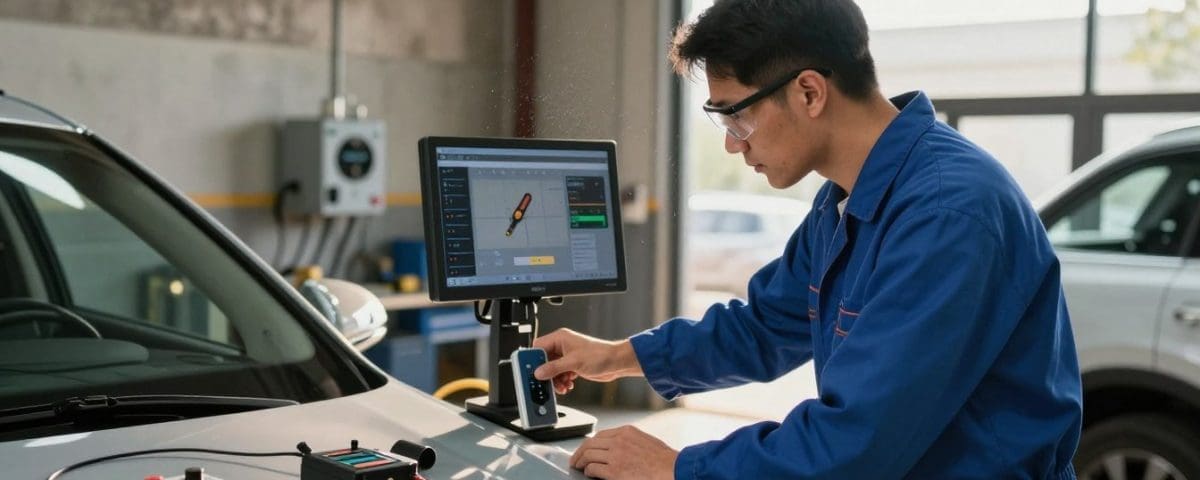
Modern cars are full of sensors that keep us safe. Even a small crash can mess up these systems. You might think your car looks perfect after a body shop visit, but problems can hide.
Precision is the foundation of safety. If your car’s cameras or radar are off by a little, they might not spot dangers in time. Getting your car calibrated in San Antonio makes sure it works right.
Not fixing these issues can make driving unsafe. We’ll see why making your car like new is key in fixing it.
Key Takeaways
- Minor impacts can shift sensitive sensors and cameras.
- Visual repairs do not guarantee functional safety.
- Professional ADAS calibration in San Antonio restores factory performance.
- Misaligned systems may fail to trigger emergency braking or lane warnings.
- Prioritizing technical accuracy protects you and your passengers.
Understanding ADAS and Its Importance
Advanced Driver Assistance Systems (ADAS) are a big step forward in car safety. They act like an invisible co-pilot, watching your surroundings to stop accidents before they start. It’s key to get ADAS calibration right to make sure these systems work as they should.
What is ADAS?
ADAS is a group of electronic systems that help drivers. They use cameras, radar, and ultrasonic sensors to understand the road in real-time. This lets your car react faster than you can in emergencies.
Key Features of ADAS
Today’s cars have many features that need precise sensor alignment. For example, automatic emergency braking stops the car if a crash is likely. Other features like lane departure warning and adaptive cruise control keep you safe on highways.
Let’s look at how these sensors work together:
| Sensor Type | Primary Function | Typical Application |
|---|---|---|
| Camera | Visual Recognition | Lane detection and signs |
| Radar | Distance Measurement | Adaptive cruise control |
| Ultrasonic | Proximity Sensing | Parking assistance |
Benefits of ADAS in Modern Vehicles
ADAS systems cut down on human mistakes, which cause most accidents. When your sensors are set up right through ADAS calibration, you feel safer. These systems are not just extras; they’re key to your car’s safety.
Keeping these systems in check means they’ll work well for your car’s whole life. Skipping ADAS calibration can make these safety features not work right, putting you and your passengers at risk.
The Calibration Process Explained
Restoring your vehicle’s safety systems is a precise process called ADAS calibration. It makes sure your car’s cameras, radar, and sensors work right after repairs. This is done by aligning them to the manufacturer’s standards.
What Does Calibration Involve?
Calibration resets your car’s electronic brain to see its surroundings right. Even a small mistake in a camera or sensor can cause dangerous errors in systems like lane-keeping or emergency braking. Technicians check that all parts talk to the car’s computer correctly.
Tools Used for Calibration
Experts use special tools for these resets. They have high-resolution computers, optical tools, and targets approved by the maker. A perfectly level floor is also key for accurate measurements during the whole process.
Calibration Types: Static vs Dynamic
There are two main ways to fix your safety systems. Static ADAS calibration happens in a controlled shop with stationary targets. Dynamic calibration, on the other hand, needs a technician to drive your car on specific roads for the sensors to adjust.
| Feature | Static Calibration | Dynamic Calibration |
|---|---|---|
| Environment | Controlled Shop | Public Roads |
| Requirements | Targets & Level Floor | Specific Driving Speed |
| Complexity | High Precision | Real-world Data |
The Consequences of Neglecting Calibration
Modern cars need precise sensor alignment for safety. Skipping a vehicle safety inspection after a crash is risky. Even small impacts can move sensors, causing silent system failures that might not be noticed until it’s too late.
Safety Risks Associated with Inaccurate Calibration
Inaccurate calibration can lead to delayed or missing safety warnings. If your forward-collision warning system is off, it might not alert you to dangers ahead. This makes a high-tech safety feature a big risk on the road.
Legal Implications Following a Collision
Driving a car with faulty safety systems can lead to legal trouble. If you’re in another accident, you could be blamed for negligence if your ADAS wasn’t calibrated right. Keeping records of your vehicle safety inspection is key to proving your car is safe.
Impact on Insurance Claims
Insurance companies check repair records closely after a claim. If you skip calibration, they might not cover future problems. A thorough vehicle safety inspection helps keep your insurance valid and protects your wallet.
| Feature | Calibrated System | Neglected System |
|---|---|---|
| Warning Accuracy | High precision | Delayed or false alerts |
| Braking Response | Predictable and timely | Unexpected or absent |
| Insurance Status | Fully compliant | Potential claim denial |
| Legal Liability | Minimized risk | High exposure |
How ADAS Calibration Works in San Antonio

Your car’s safety systems need expert care, like ADAS calibration in San Antonio. Modern cars have complex sensors that must be aligned perfectly after a crash. This ensures your car’s safety systems work as they should.
Local Regulations and Standards
Repair shops in Texas must follow strict rules to fix safety systems right. Car makers give specific steps for resetting sensors, cameras, and radar. Following these rules is key to keeping your car safe.
Certified Calibration Centers
For ADAS calibration in San Antonio, choose centers with special training and tools. Miracle Body and Paint Collision Center has 2 spots in San Antonio. They use top-notch tools to calibrate sensors just right.
Why Choose Professionals in San Antonio?
Local experts give you peace of mind. They know San Antonio’s roads and make sure your car is ready. A trusted shop for ADAS calibration in San Antonio keeps your car safe.
| Service Feature | Certified Shop | General Mechanic |
|---|---|---|
| Manufacturer Standards | Strictly Followed | Often Ignored |
| Specialized Equipment | Latest Technology | Limited Tools |
| Safety Guarantee | Fully Certified | Not Guaranteed |
| Technician Training | Advanced ADAS | General Repair |
Common Myths About ADAS Calibration
You might think your car’s safety systems fix themselves, but that’s not true. Many drivers believe false things that can put them in danger. It’s key for car owners to know the real deal about ADAS calibration.
Myth 1: Calibration is Optional
Some people think getting their car’s systems checked is just a nice-to-have. But, after a crash, your car’s sensors need to be set back to their original state. If you skip this, your car’s safety features might not work when you really need them.
Myth 2: All Vehicles are the Same
It’s easy to think that one tool fits all cars. But, each car maker has its own set of rules for how sensors and software should be set up. What works for one car might not work for another.
Myth 3: Calibration is Fast and Easy
Some folks think a quick scan tool check will fix everything. But, ADAS calibration is a detailed, slow process that needs special tools and a controlled space. It’s not just a quick fix; it’s about making sure your car’s cameras and radar work right.
| Common Myth | Technical Reality | Safety Impact |
|---|---|---|
| It is optional | Mandatory after repairs | High risk of system failure |
| One size fits all | Manufacturer-specific | Inaccurate sensor data |
| Quick scan tool fix | Complex, precise process | Compromised driver assistance |
Signs Your Vehicle Needs ADAS Calibration
After a crash or big repair, your car’s safety systems might not work right. It’s very important to watch how your car drives. Getting a professional to check your vehicle is the best way to make sure your sensors are working.
Warning Lights on Your Dashboard
Seeing warning lights on your dashboard is a clear sign you need help. If lights for lane departure, blind-spot monitoring, or collision warnings pop up, don’t ignore them. These lights mean your internal computer has found a problem with sensor data.
Inconsistent Sensor Performance
After certain repairs, your car’s safety features might not work right. For example, if you got a new windshield or had your bumper fixed, the cameras and radar might be off. This can cause delayed alerts or false warnings while driving.
Changes in Vehicle Behavior Post-Collision
Even small accidents can mess with your ADAS’s calibration. If you’ve had suspension work, your car’s shape has changed. This affects how sensors see the road. Pay close attention to how your car steers or brakes. If it feels off or doesn’t react to road dangers like before, get help right away.
The ADAS Calibration Appointment Process
Getting your vehicle’s advanced safety systems checked is a detailed process. When you come for your ADAS calibration, the techs focus on getting it right, not fast. They make sure every sensor works just like the maker said it should.
What to Expect During Your Visit
Your visit starts with a detailed check-up. The tech looks over your car’s repair history and checks for any damage that might mess with the sensors. A smooth, even surface is key because small bumps can mess up the readings.
Next, the team does a pre-scan to find any trouble codes. This makes sure the car’s systems are talking to each other right before they start the ADAS calibration. They’ll explain what they find so you know where your car stands.
Duration of Calibration Services
Doing the job right takes time, not speed. How long it takes depends on how complex your car’s safety features are. The techs need time for precise measurements, software updates, and to make sure everything is just right.
They can’t rush it because that could mess up your safety systems. Giving them the time they need means your car will meet all safety standards when it’s back on the road. Being patient is a big deal for your safety on the road.
Post-Calibrated Test Drives
After everything is set, a test drive is a must to check how it all works. This step makes sure the sensors react right to things like lane lines and traffic. It’s the last check to make sure your ADAS calibration was a success.
| Service Stage | Primary Objective | Estimated Focus |
|---|---|---|
| Initial Intake | System Diagnostics | High Precision |
| Technical Setup | Sensor Alignment | Strict Accuracy |
| Final Verification | Road Testing | Safety Validation |
This careful plan makes sure your car’s tech is all set. By following these steps, the techs give you peace of mind that your car is road-ready. Your safety is the top priority at every step.
How to Prepare for an ADAS Calibration

Getting ready for your appointment is key to getting your vehicle the right care. When you get to the shop, being organized helps the techs focus on your ADAS calibration. This way, your safety systems get back to their best state quickly.
Pre-Calibration Checklist
Do a quick check on your vehicle before you go. Make sure your tires are at the right pressure. This keeps your vehicle’s height and sensor alignment correct.
Also, clean off any dirt or mud from your car’s cameras and sensors. This is important for clear views.
Take out any heavy stuff from your trunk or inside the car. A balanced vehicle is needed for accurate ADAS calibration. If you’ve added new accessories, tell the shop. They might affect your sensors.
What to Bring to Your Appointment
Bring the right papers to help the service team work faster. Your car’s manual has important info on safety systems. Also, bring any recent repair bills or insurance papers from your accident.
These papers help the tech understand your car’s history. This ensures the ADAS calibration is done right. If you have a spare key fob, bring it too. The tech might need it to access certain parts.
Questions to Ask Your Technician
Talking to your technician is a good way to make sure you’re getting quality service. Ask if they follow OEM-specific procedures for your car. A good shop will explain if calibration is needed and how they check it.
Also, ask about the tools they use and how they document the results. Knowing this gives you confidence that your ADAS calibration was done well.
| Preparation Step | Why It Matters | Action Required |
|---|---|---|
| Tire Pressure Check | Maintains proper ride height | Verify with gauge |
| Sensor Cleaning | Ensures clear visibility | Wipe lenses gently |
| Documentation | Provides repair history | Bring service records |
| Technician Inquiry | Confirms safety standards | Ask about OEM methods |
Cost Considerations for ADAS Calibration
Keeping your vehicle safe is more than just basic repairs. With today’s smart cars, you might wonder about the cost of advanced safety systems. Finding ADAS calibration San Antonio services is key to keeping your car safe after a crash.
Average Costs in San Antonio
The way we fix cars after a crash is changing fast. By 2025, over 23% of all repairs will include calibration. This means professional shops are getting better at these precise tasks.
In San Antonio, the cost for this service varies. Basic resets are cheap, but complex systems need more time and special tools. Getting expert ADAS calibration San Antonio ensures quality work at a fair price.
Factors Affecting Calibration Prices
Several things affect the cost of calibration. The complexity of your car’s sensors is the main factor. Advanced systems need more work to calibrate properly.
The tools needed for your car also matter. Shops with the latest tech give better results, which is safer for you. When looking for ADAS calibration San Antonio, check the shop’s investment in training and tools.
Insurance Coverage for Calibration
Many worry if insurance covers calibration. Usually, if it’s needed after a covered crash, it’s part of the repair. Always check with your insurance before starting.
Good repair shops work with your insurance to cover costs. This avoids surprise bills. Always ask if they’re experienced with insurance claims for these services.
| Cost Factor | Impact on Price | Why It Matters |
|---|---|---|
| Sensor Complexity | High | Requires more diagnostic time |
| Calibration Type | Medium | Static vs. dynamic needs |
| Vehicle Make | Low to Medium | Proprietary software costs |
| Shop Expertise | High | Ensures safety and accuracy |
Future Trends in ADAS Calibration
As cars get smarter, keeping their safety systems in top shape gets more complicated. The car world is changing fast, focusing on autonomous capabilities and better driver help. It’s key for car owners to keep up to ensure their vehicles stay safe and perform well.
Emerging Technologies in Vehicle Safety
Today’s cars use advanced tech like LIDAR, radar, and ultrasonic sensors. These tools give a full view of the road, helping cars avoid dangers quicker than humans. Precision is the foundation of these systems, as small errors can cause big problems.
The Role of AI and Machine Learning
Artificial intelligence and machine learning power these safety features. They handle huge amounts of data quickly, making fast decisions in traffic. With these systems, even tiny mistakes can be a big issue.
How Advances Will Change Calibration Needs
As these techs improve, calibration will need to be more detailed and data-rich. You can’t just use any repair method for today’s cars. OEM certified collision repair ensures your car gets the right updates and tweaks.
Calibration in the future will likely include cloud checks and remote checks to meet strict safety rules. By choosing professional expertise, you safeguard your car and keep it safe like new. Relying on an OEM certified repair shop is the smart way to handle these tech changes.
The Role of Dealerships vs. Independent Shops
Your safety depends on your vehicle’s technology. Choosing the right repair facility is key. Before starting, your shop must check the vehicle’s frame with precision measuring systems. This is true for both dealerships and local shops for an OEM certified collision repair.
Pros and Cons of Dealership Services
Dealerships offer direct access to the latest software and tools. Their technicians get brand-specific training. This ensures they know your vehicle’s safety systems well.
But, dealership services can be pricey and slow. You might need to wait a while for an appointment. This is because they are very busy.
Benefits of Local Independent Repair Shops
Many independent shops have top-notch diagnostic tools. They aim to give a personalized customer experience and quick repairs.
Choosing a local shop that follows OEM certified collision repair standards is wise. They work well with insurance and focus on quality.
| Feature | Dealership | Independent Shop |
|---|---|---|
| Equipment | Brand-Specific | Multi-Brand Tools |
| Pricing | Premium | Competitive |
| Service Speed | Variable | Often Faster |
Making an Informed Choice
Always ask if a shop uses precision measuring systems before starting repairs. A transparent shop will explain their process and show their certifications.
Your choice should focus on the shop’s technical capability, not just convenience. By checking their quality commitment, you keep your vehicle safe and reliable.
Conclusion: Ensuring Your Vehicle’s Safety with Proper Calibration
Modern driving uses advanced tech to keep you safe. Fixing your car is more than just body work or paint. It’s about making sure all sensors and cameras work right.
Essential Steps for Your Peace of Mind
Calibration is key after a crash. Without it, your car’s safety features might not work. Always check that your repair shop does a full safety check.
Expert Support in San Antonio
Miracle Body and Paint Collision Center knows how to fix your car right. Our team is skilled in modern safety systems. Visit us at 6217 Grissom Rd., San Antonio, TX 78238. Call 210-680-1987 for help.
Our North East San Antonio shop is ready to assist at 4650 Walzem Rd, San Antonio, TX 78218. Call 210-858-3630 to book your service. Rely on our experienced techs for a safe and reliable ride.

