


What a Lifetime Repair Warranty Should Actually Cover
After a vehicle accident, you may feel stressed and unsure about what to do next. You want your car back quickly, but safe, reliable work matters most. Choosing the right facility for collision damage repair is your most important decision.
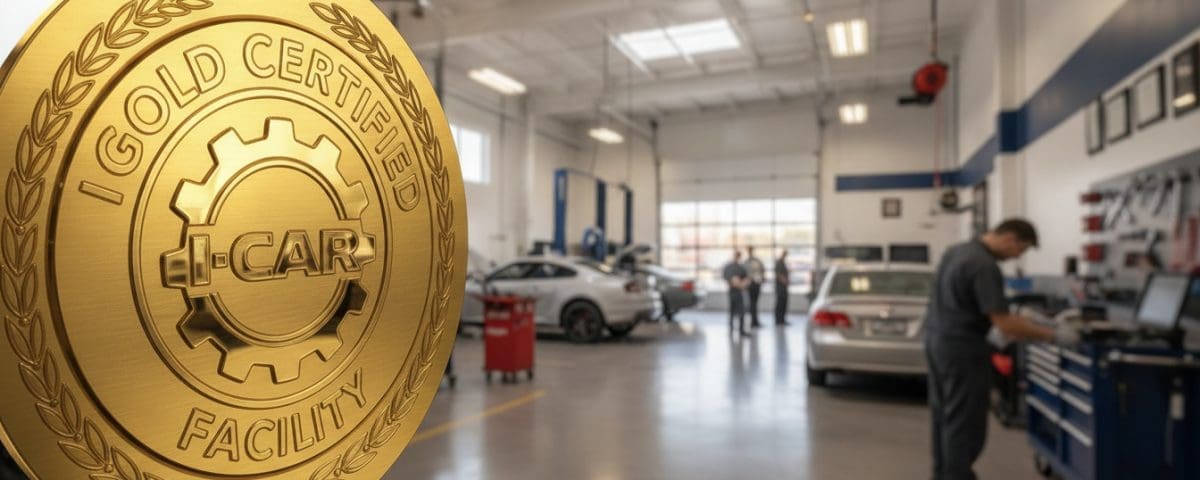
Many drivers ask what professional credentials mean. An I-CAR Gold certification shows a shop’s ongoing commitment to advanced training, not a one-time award. Trained technicians keep up with new vehicle technology and safety standards.
Having body shop certifications explained helps you see why expert care supports your vehicle’s long-term performance. At Miracle Body and Paint Collision Center in San Antonio, we prioritize this rigorous training for your peace of mind. Your safety should never depend on chance when we restore your vehicle to factory condition.
Key Takeaways
- Professional training is essential for modern vehicle safety and structural integrity.
- Certification badges indicate a shop’s commitment to continuous education and updated repair methods.
- Properly trained technicians ensure your vehicle performs exactly as the manufacturer intended.
- Miracle Body and Paint Collision Center offers expert services for San Antonio drivers.
- Choosing a certified facility protects your investment and your family’s safety on the road.
Understanding I-CAR Gold Certification
Understanding your repair shop’s credentials helps ensure your car gets fixed correctly. After a collision, choose a team with current knowledge and factory-standard repair skills.
With body shop certifications explained, you can make informed choices about your vehicle’s repair shop. This knowledge helps you distinguish shops that guess from those that follow rigorous, industry-backed protocols.
What is I-CAR?
I-CAR, or the Inter-Industry Conference on Auto Collision Repair, is a non-profit group offering quality collision repair training. It provides current information on vehicle technology, safety systems, and complex repair methods.
Technicians, estimators, and other professionals take I-CAR training to keep their skills current. Vehicles change every year, so this ongoing education supports precise, careful repairs.
The Importance of Certification
Certification sets a standard for excellence in the automotive industry. It shows a shop invested in the necessary collision repair training for high-strength steel and aluminum.
Choosing a shop that values I-CAR training means choosing safety. This table shows why these standards can give you peace of mind:
| Feature | Certified Shop | Non-Certified Shop |
|---|---|---|
| Repair Methods | Follows OEM Guidelines | Often Uses Guesswork |
| Technician Skill | Verified and Updated | Varies by Experience |
| Safety Focus | Prioritizes Structural Integrity | Focuses Only on Aesthetics |
| Technology | Uses Advanced Tools | May Use Outdated Equipment |
The I-CAR Gold Certification Process
When you choose a repair shop, the path to I-CAR Gold certification reveals the care behind each job. This designation requires shops to meet strict technical standards. It shows that trained professionals put precision and safety first.
Initial Assessment and Training
The journey starts with a full review of the shop’s skills. Certified collision technicians must master structural repair, refinishing, electrical systems, and non-structural work. This training helps each team member understand modern vehicle design.
Ask repair facilities how their staff keeps this training current. A trusted shop will explain how it uses manufacturer repair procedures each day. These guidelines are safer than old methods that ignore modern vehicle technology.
Ongoing Education Requirements
Vehicles change quickly, so I-CAR training must keep pace. Manufacturers update vehicle designs and safety systems often. Technicians need ongoing education to keep repairs current and effective.
Ask the shop how it tracks the latest vehicle-specific information. Consistent learning is the only way to guarantee your vehicle is restored to its original factory safety standards. The table compares standard shop practices with I-CAR Gold facility requirements.
| Feature | Standard Repair Shop | I-CAR Gold Facility |
|---|---|---|
| Training Frequency | Occasional/Optional | Annual Mandatory Updates |
| Repair Standards | General Methods | Manufacturer Repair Procedures |
| Technical Focus | Basic Body Work | Structural Repair & Advanced Tech |
| Safety Compliance | Varies by Technician | Strict Industry Protocols |
Benefits of I-CAR Gold Certification for You
After an accident, your peace of mind depends on your repair team’s technical skill. Choosing a qualified collision repair shop helps protect your vehicle’s long-term health. Skilled professionals focus on your safety and give your car the care it deserves.
Higher Quality Repairs
The main benefit of certified collision technicians is their steady use of industry-standard repair methods. They follow strict guidelines and restore each structural part to its original strength. This careful work improves overall vehicle repair quality.
This high standard lowers the chance that you will need repeat repairs. Correct repairs save you time and money. You can drive with confidence, knowing your car is as reliable as before the incident.
Enhanced Safety and Performance
Modern vehicles depend on complex vehicle safety systems that need careful handling during repairs. Even small crashes can disturb sensors, so professional ADAS calibration is vital for your protection. Without this work, advanced features may fail when you need them most.
A certified facility knows how to restore these technologies within your vehicle’s framework. Careful work protects your car’s performance and helps keep you safe on the road. The table below shows key differences between certified and non-certified repair partners.
| Feature | Certified Shop | Non-Certified Shop |
|---|---|---|
| Technician Training | Continuous & Updated | Variable & Outdated |
| Safety Systems | Precision Calibration | Risk of Malfunction |
| Repair Longevity | High Durability | Potential for Repeat Issues |
| Manufacturer Specs | Strict Compliance | Often Overlooked |
Why Choose an I-CAR Gold Certified Shop
Understanding body shop certifications explained helps you make a wise vehicle choice. Insurance companies may suggest a facility, but you have the legal right to choose your own collision repair shop. A facility with the Gold Class designation shows stronger, ongoing training than a general advertising claim.
Industry Recognition
Gold Class status is a globally recognized standard for shops devoted to high-level training. Unlike certifications for one brand, tool, or process, this program takes a complete approach to vehicle repair. It keeps the entire team current on technology and safety protocols for modern, complex vehicles.
When you choose a Gold Class shop, you choose a partner that follows industry-wide best practices. This recognition sets a quality benchmark and shows the facility invests heavily in technician development. It also shows the shop puts safety before shortcuts.
Commitment to Excellence
Before choosing a repair provider, compare its credentials and operating standards. A professional shop should explain its training and equipment for restoring your vehicle to its original condition. Ask about repair steps and updates during the process.
To receive strong service, review these areas before your final choice:
- Training Credentials: Verify if the technicians hold current, recognized certifications.
- Repair Procedures: Ask how they follow manufacturer-specific guidelines for your vehicle make and model.
- Communication Practices: Look for a shop that provides clear, consistent updates on your repair status.
- Equipment Quality: Ensure the facility uses modern, calibrated tools designed for today’s advanced automotive materials.
These factors can help you choose a collision repair shop ready for your needs. Choosing a Gold Class shop supports your safety and your vehicle’s long-term value.
Miracle Body and Paint Collision Center Overview
Miracle Body and Paint Collision Center offers professional repair services at two convenient San Antonio locations. After an accident, a reliable partner for your auto body repair can ease your stress.
Commitment to Quality Repairs
Your vehicle deserves careful restoration. The team uses careful repair planning to match each step to your vehicle’s needs. They provide clear communication and update you throughout the repair journey.
This focus on vehicle repair quality helps return your car to the road safely. Technicians handle each detail with care to protect your vehicle’s structure and appearance.
Experience and Expertise
Miracle Body and Paint Collision Center technicians bring broad knowledge to every collision damage repair project. They understand modern vehicle construction and follow current industry standards, including those linked to I-CAR Gold certification.
Choosing a facility that values ongoing training puts your car in capable hands. Their experience and expertise support successful repairs for minor dents and major structural issues. Your vehicle receives careful treatment and professional standards.
I-CAR Gold Certified Technicians
Your vehicle’s safety depends on technicians with specialized training. Choose a shop that values learning, so experts handle your car’s complex systems.
Certified collision technicians are specialists, not just mechanics. They understand modern systems, including driver-assistance sensors and complex electrical wiring.
Advanced Skills and Knowledge
Modern vehicles use many materials, each needing special handling. A technician must understand aluminum and high-strength steel for proper structural repair.
Without the right collision repair training, a shop may use old methods that weaken your vehicle’s frame. Certified professionals know how to restore your car to factory specifications. Safety features then work as intended after a collision.
Continuous Learning and Training
The automotive industry changes rapidly, and repair methods must keep up with new technology. Through consistent I-CAR training, technicians learn current manufacturer requirements and repair standards.
This commitment to education keeps your repair team ready for new vehicle designs. Ongoing learning gives you peace of mind and better results.
| Training Level | Repair Focus | Safety Impact |
|---|---|---|
| Entry Level | Basic cosmetic fixes | Standard |
| Advanced Certified | Structural repair | High |
| Master Technician | Complex systems/Materials | Maximum |
The Impacts of I-CAR Certification on Vehicle Repairs

Today’s cars are complex machines that need special knowledge after a collision. Modern vehicles use sensors, computers, and advanced materials, not just steel frames. Ensuring your safety requires repairs that respect this complex engineering.
Repairing Modern Vehicles
When you choose a shop with I-CAR Gold certification, trained experts understand modern vehicle construction. They work with high-strength steel, aluminum, and carbon fiber components. Wrong tools or heat can weaken your car’s structure.
Beyond the frame, certified collision technicians must manage complex electronic systems. Even a small fender bender can damage wiring or internal modules. Safe repairs require knowing how these systems work together.
Compliance with Manufacturer Specifications
Generic repair methods often fail to meet today’s vehicle standards. Your repair center must follow strict manufacturer repair procedures to restore factory condition. These guidelines show how engineers want each part repaired or replaced.
A critical part of this work involves ADAS calibration. Many modern cars use cameras and radar for vehicle safety systems, such as automatic emergency braking and lane-keep assist. If calibration is wrong after repairs, these systems may fail when needed most.
| Repair Aspect | Traditional Approach | Modern Certified Approach |
|---|---|---|
| Structural Materials | Generic welding | Material-specific protocols |
| Safety Technology | Ignored or bypassed | Precision ADAS calibration |
| Repair Guidelines | Experience-based | Manufacturer repair procedures |
| Technician Skill | General knowledge | I-CAR Gold certification |
By prioritizing certified collision technicians, you help ensure your vehicle safety systems remain fully functional. Following manufacturer repair procedures is the only way to maintain the protective features that guard your family. Always verify that your shop uses the latest technology for ADAS calibration to ensure a complete and safe repair.
How to Identify an I-CAR Gold Certified Shop
Understanding body shop certifications explained may seem hard, but the process is simple. When your vehicle needs repairs, you want the highest standard of care. Checking a shop’s credentials can save time and reduce stress later.
Looking for the Badge
The quickest way to spot a Gold Class shop is to look for official I-CAR signage. Reputable facilities often display their current certification badge in the lobby or customer waiting area. Still, do not trust only a sticker or framed certificate on the wall.
Check the certification date to make sure it remains active. Years-old training may lead a shop to display an old logo that hides its current capabilities. Always verify that the certification is current to ensure the shop follows the latest safety protocols.
Checking Certifications Online
Besides the physical badge, use independent online tools to confirm a collision repair shop‘s status. The official I-CAR website has a locator tool for finding certified businesses in your area. This helps you choose a facility that meets ongoing education requirements.
Before authorizing work, consider asking these questions to confirm the shop’s commitment to quality:
- Does your shop maintain current I-CAR training for all technicians?
- Do you follow specific manufacturer repair procedures for my vehicle make and model?
- Can you provide proof of your current Gold Class status?
- How often do your staff members participate in continuing education?
These direct questions help protect your investment and ensure correct vehicle repairs. A professional shop will gladly share this information. It shows commitment to industry excellence and your safety.
The Role of I-CAR in the Collision Repair Industry
Education supports the collision repair industry and helps protect your safety on the road. As vehicle designs grow more complex, shops need shared knowledge and clear repair standards. Professional groups help repair shops build strong technical skills.
Setting Industry Standards
I-CAR sets the quality standards that repair shops work to meet each day. Through comprehensive I-CAR training, technicians learn current repair methods. These standards cover equipment use and the detailed records needed for modern vehicle repairs.
Following these standards gives you confidence that skilled workers handle your car. Consistent collision repair training helps technicians find hidden damage. This shared focus supports quality throughout the repair process.
Promoting Safety and Innovation
Modern vehicles use advanced materials and complex electronic parts that need special care. Today’s vehicle safety systems connect closely, so one repair mistake can weaken the whole structure. Industry education helps shops adapt by teaching safe methods for aluminum, high-strength steel, and sensitive sensors.
Automotive innovation moves quickly, so repair centers must keep learning to protect you. With ongoing education, shops can restore your car’s safety features correctly. Here are ways standardized training can improve your repair experience:
- Precision diagnostics for complex electronic sensors.
- Proper handling of lightweight materials to maintain structural rigidity.
- Adherence to manufacturer-specific repair procedures.
- Enhanced calibration of advanced driver-assistance systems.
| Repair Aspect | Traditional Approach | Modern Standard |
|---|---|---|
| Material Handling | Basic welding | Specialized bonding |
| Safety Systems | Visual inspection | Digital calibration |
| Technician Skill | General experience | Certified expertise |
Focusing on vehicle safety systems helps your car perform as the manufacturer intended after an accident. For shops, high-quality collision repair training is a safety requirement, not just a business choice. Choosing a facility that follows these standards supports a safer future for your vehicle.
FAQs About I-CAR Gold Certification
Learning about industry certifications helps you choose proper care for your car. Many owners ask how to check a repair shop’s quality.
The I-CAR Gold certification designation applies to repair shops and their staff. Vehicle owners do not need personal certifications to receive quality service.
Who can get I-CAR certified?
The I-CAR training program serves professionals working in the collision repair industry. It covers many roles that support the repair process, including:
- Auto body repair technicians
- Refinish technicians
- Estimators and service writers
- Structural repair specialists
These professionals complete strict training for their roles and learn current vehicle technology. By focusing on each job, certified collision technicians gain skills for complex repairs.
What certifications do I need for my vehicle?
Your vehicle needs no personal certifications for professional repairs. Instead, choose a shop with certified collision technicians trained to follow manufacturer specifications.
Choosing a shop with I-CAR Gold certification ensures experts care for your vehicle. They continue learning to protect your car’s safety and performance after a crash.
A shop that values I-CAR Gold certification can help ensure your repairs meet top industry standards. Look for the official badge to see if the facility invests in the latest training.
Customer Testimonials on I-CAR Certified Services
Learning why drivers choose trained facilities helps you make a smart choice for your vehicle. After an accident, knowing your car is in capable hands brings immense relief. Many owners say a collision repair shop with verified credentials makes the process smoother.
Real-Life Success Stories
Drivers often share stories about restoring vehicles to their pre-accident condition. Many satisfied customers praise the seamless operation of safety systems after repairs. They say their vehicles feel stable and reliable on highways and city streets.
Customers also praise the lasting quality of their auto body repair. They say paint stays even, with no water leaks or misaligned panels. These results come from certified collision technicians who follow exact manufacturer guidelines.
Why Customers Trust Certified Shops
Trust grows through steady results and strong technical skills. Choosing a facility that supports ongoing training can reduce return visits for adjustments. Customers value clear communication and accurate work throughout the process.
Vehicle owners choose certified facilities for several key reasons:
- Safety System Integrity: Ensuring that sensors and cameras function exactly as the manufacturer intended.
- Structural Precision: Using advanced tools to restore the frame to factory specifications for better handling.
- Long-Term Durability: Applying high-quality materials that stand up to environmental wear and tear.
- Reduced Downtime: Relying on efficient, standardized procedures to get you back on the road faster.
Choosing a collision repair shop that trains its staff gives your vehicle excellent care. With certified collision technicians, your auto body repair uses current industry knowledge and unwavering attention to detail.
Common Misconceptions about I-CAR Certification
When you search for body shop certifications explained, you might find myths that weaken the value of professional training. Some people see repair shops as places that fix dents, whatever credentials hang on the wall. This view ignores the complex technology in modern vehicles.
It’s Just Another Badge
Some people believe that an I-CAR Gold certification is only a marketing tool for attracting customers. In reality, it shows a serious commitment to continuous education and yearly maintenance. Technicians must learn the latest repair technology to keep this status active.
This is not a one-time achievement that shops can buy and display forever. Shops must show their skill through training programs every year. By meeting these standards, a Gold Class shop uses current safety protocols, not outdated methods.
All Shops Are the Same Regardless of Certification
A common mistake is assuming all repair facilities have the same tools and technical knowledge. In truth, the gap between certified and uncertified shops can be large. Certified shops invest in special equipment and careful repair plans for modern sensors and structural parts.
Even minor damage requires a clear understanding of how your car’s safety systems work together. Without proper training, technicians may miss alignment problems or calibrate electronic sensors incorrectly. Verified credentials offer peace of mind because they show that safety comes first.
| Feature | Certified Shop | Non-Certified Shop |
|---|---|---|
| Training Frequency | Annual Updates | Inconsistent |
| Repair Standards | Manufacturer Specs | Variable Quality |
| Safety Focus | High Priority | Often Overlooked |
| Technical Tools | Advanced/Calibrated | Basic/General |
The Investment in I-CAR Gold Certification
When you review collision repair costs, view certification as a smart investment in your vehicle. With body shop certifications explained, you can see how professionals repair more than dents and restore your car’s structure.
Costs vs. Benefits
A Gold Class shop treats certification as an ongoing commitment to excellence, not a one-time expense. These businesses dedicate significant resources to ongoing staff training, advanced equipment, and technical development.
Some shops may offer lower starting quotes, but they may lack knowledge of modern vehicle materials. They may lack the specialized knowledge needed for modern vehicle materials. By choosing a certified center, you pay for assurance that experts handle your car and follow current repair protocols.
Long-Term Value for Consumers
Prioritizing vehicle repair quality protects your investment throughout your car’s life. Proper repairs prevent issues such as premature paint failure, alignment problems, and compromised safety systems. These issues often result from substandard work.
A certified repair helps you avoid repeat visits and hidden costs. It also helps prevent possible safety hazards. A well-repaired vehicle keeps its resale value and gives you confidence it will perform as intended if another incident occurs.
| Repair Factor | Certified Shop | Non-Certified Shop |
|---|---|---|
| Technical Training | Continuous & Updated | Sporadic or None |
| Safety Standards | Strict Compliance | Variable Quality |
| Long-Term Value | High Retention | Potential Depreciation |
| Repair Accuracy | Manufacturer Specs | General Estimates |
How to Prepare for Collision Repairs
After a crash, preparing for repairs can feel overwhelming. Taking early steps helps restore your vehicle to its original safety standards. Taking control of the situation protects your peace of mind and your car’s long-term value.
Understanding the Repair Process
Start any auto body repair with careful documentation. Before moving your vehicle, take clear photos of the damage from many angles. These photos help when you review the shop’s first estimate.
When you get an estimate, ask for a detailed breakdown of the work. Ask whether the shop will use original equipment manufacturer (OEM) or aftermarket parts. Knowing the timeline helps set expectations and plan transportation during repairs.
Choosing the Right Repair Center
Choosing a trusted collision repair shop is a key decision. Choose a facility that follows manufacturer repair procedures. These guidelines help protect your modern vehicle’s structure and safety systems.
Ask whether technicians have current I-CAR training. This certification shows staff members know the latest repair technology and techniques. Shops that support ongoing education are more likely to deliver quality repairs that meet factory specifications.
Before approving work, use this checklist to compare repair centers.
| Evaluation Criteria | What to Look For | Why It Matters |
|---|---|---|
| Technical Training | Current I-CAR training | Ensures safety standards |
| Repair Methods | Manufacturer repair procedures | Maintains vehicle warranty |
| Facility Quality | Clean, organized workspace | Reflects professional care |
| Customer Service | Clear, written estimates | Prevents hidden costs |
An experienced auto body repair provider can reduce confusion and protect your investment. Ask about manufacturer repair procedures and confirm I-CAR training before choosing. A professional collision repair shop welcomes questions and explains each step clearly.
Contact Miracle Body and Paint Collision Center Today!
After an accident, your vehicle deserves expert care. An I-CAR Gold certification shows that certified collision technicians follow safety-focused repair practices.
These experts use manufacturer repair procedures to return your vehicle to its original condition. A trusted collision repair shop delivers strong vehicle repair quality and peace of mind.
Miracle Body and Paint Collision Center offers auto body repair for all makes and models. Bring us your vehicle for reliable collision damage repair that meets high industry standards.
2 Locations to Serve You
North West San Antonio–Leon Valley
6217 Grissom Rd., San Antonio, TX 78238
Phone: (210) 680-1987
North East San Antonio
4650 Walzem Rd., San Antonio, TX 78218
Phone: (210) 858-3630
Contact Miracle Body and Paint Collision Center today to schedule service. Our experts can repair collision damage and help you return safely to the road.

