How Proper Collision Repair Can Help Protect Your Vehicle’s Resale Value
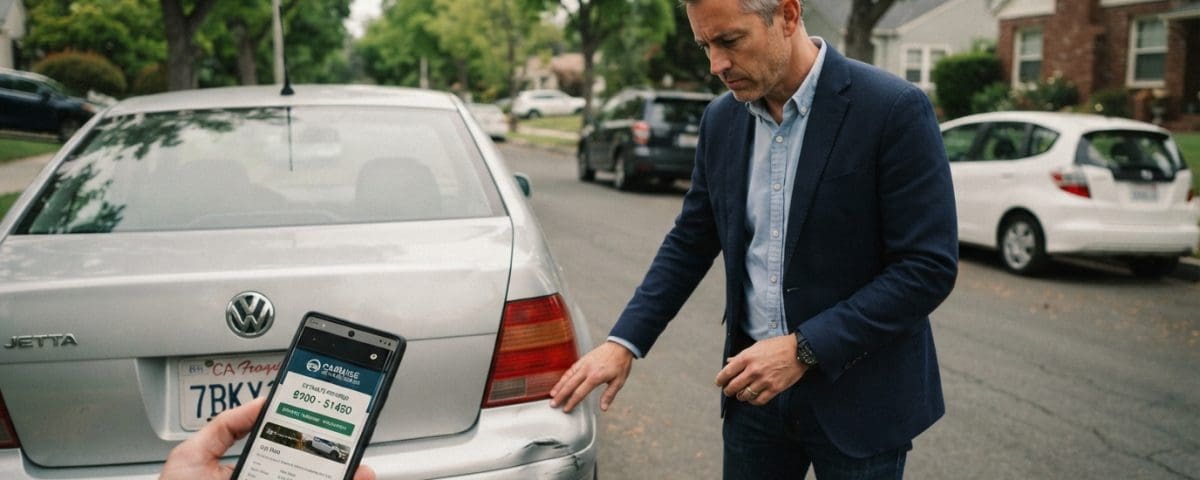
After an accident, collision repair myths can make a driver see only a dent, not unanswered repair questions. Even a low-speed impact can raise questions about damage you cannot see.
ADAS means Advanced Driver Assistance Systems, electronic features such as cameras and sensors that help support driving and safety functions. Your vehicle may need more attention than its surface mark suggests.
Knowing the facts can help protect your vehicle, your budget, and your confidence during the repair process. Your insurance company may also have questions about the damage and the work needed.
Use these practical distinctions between myths and facts to make informed choices after a crash. First, consider what you control when choosing a collision repair shop.
Key Takeaways
- You choose where your vehicle gets repaired.
- Shop quality depends on training, tools, and repair steps.
- Parts can vary in fit, quality, and warranty coverage.
- A dent or normal drive does not rule out damage.
- Ask how the shop will check its finished work.
What Do You Control When Choosing a Collision Shop?
After a crash, your insurer may suggest a shop, but the decision about where to take your vehicle remains yours. Your choice matters, and the shop’s process matters too.
Your insurance company can guide costs, but it does not make the final choice about where repairs happen. Compare how each shop plans and explains the work.
Myth 1: You Must Use Your Insurance Company’s Preferred Shop
An insurance company may recommend a preferred or direct-repair shop. That listing can help you find an option, but it does not require you to use that business.
Your insurance company may set payment guidelines or offer input on costs. It does not make the final decision about where and how your vehicle gets repaired.
Three estimates are not automatically needed for every claim. Before arranging extra estimates, ask your insurance company what its claim process requires.
Myth 2: All Collision Repair Shops Offer the Same Quality
Body shops can differ in technician training, equipment, and how they follow vehicle-maker repair procedures. A low initial estimate does not prove a shop is the right fit.
Ask whether technicians have training that fits your vehicle and the needed repairs. Find out if the shop has measuring and diagnostic equipment for the work.
Request a written repair plan and ask how the shop will use vehicle-maker repair procedures. A clear plan helps you understand what the estimate includes.
Ask about the workmanship warranty, including what it covers and how long it lasts. A preferred-shop listing alone cannot show whether the shop suits your needs.
Compare each shop’s process and communication, not just its first price. Those details also help you discuss parts and damage that can affect the final repair.
Which Collision Repair Myths About Parts and Damage Are Misleading?
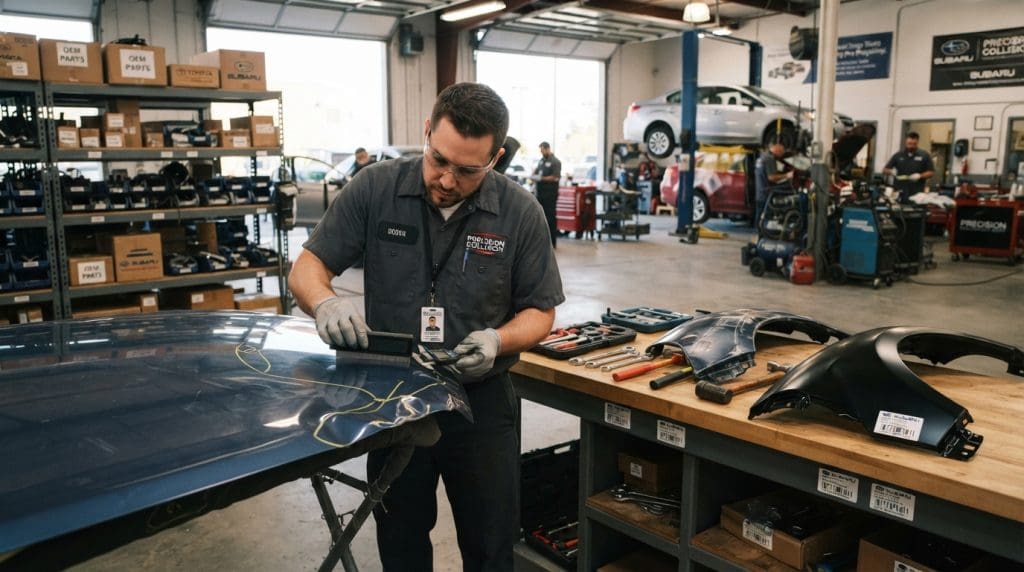
A small dent can be more than a cosmetic issue, but that does not mean every aftermarket part is automatically poor quality. The right choice depends on the part and its maker.
Compare the specific part’s fit, quality, and warranty instead of judging by its category alone. A normal-feeling drive also cannot rule out every collision concern.
Myth 3: Aftermarket Parts Are Always Inferior to OEM Parts
OEM parts are made by the vehicle’s original manufacturer and designed for that vehicle. Aftermarket parts often cost less, but fit, quality, and warranty coverage vary by maker and part.
| Aspect | OEM parts | Aftermarket parts |
|---|---|---|
| Typical cost | Generally higher | Generally lower |
| Design and fit | Designed for the vehicle | Varies by maker and part |
| Quality | Made to vehicle maker specifications | Quality varies |
| Warranty | May include a manufacturer warranty | Coverage varies and may be limited or absent |
Use the comparison to ask about the exact part proposed for your vehicle. A lower price alone does not tell you how well a part fits or what its warranty covers.
Myth 4: A Minor Dent or a Car That Drives Fine Means There Is No Hidden Damage
A car can drive normally after a collision that affects hidden structure or ADAS sensors. Even a bumper scratch can conceal damage to its attachments or underlying components.
Minor impacts can affect connected ADAS components, including cameras and sensors. Dents can also stress paint, allowing cracks, rust, or corrosion to form over time.
Unrepaired damage may reduce your vehicle’s resale value. Have concealed damage assessed, then discuss the specific part choice with the shop before repair work proceeds.
Can Modern Collision Repair Restore Your Vehicle’s Safety and Finish?
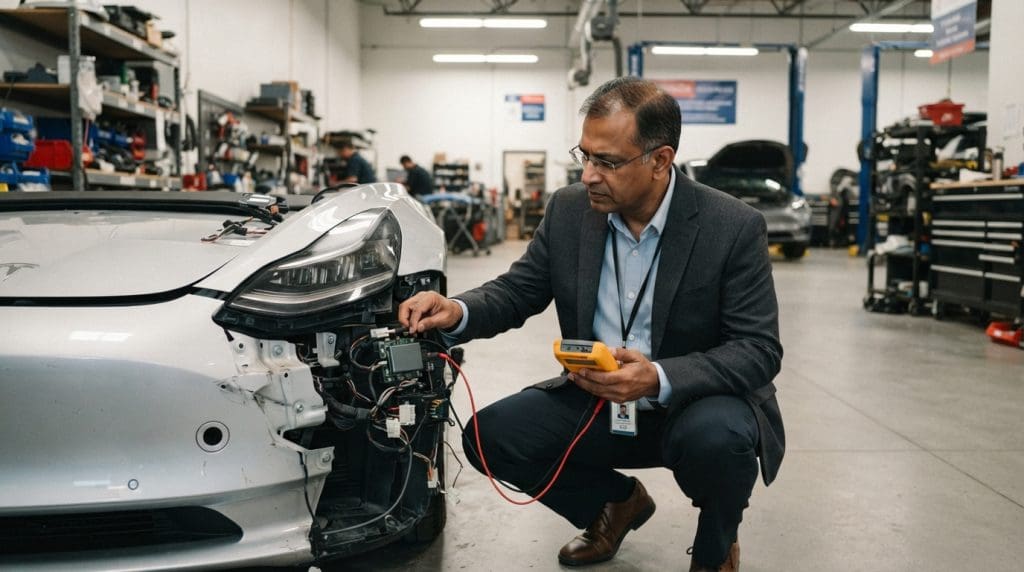
A repair that takes longer than a quick visual fix may be addressing sensors, wiring, or materials you cannot see. Time depends on the damage and the work required.
A careful shop aims to finish promptly without rushing safety or quality checks. Modern vehicles may use ADAS, composite panels, lightweight frame materials, and connected wiring.
- Repairs should always be fast and easy: Time depends on damage severity, affected parts, diagnostics, wiring, and needed calibration. Do not treat a short estimate as a guarantee when checks remain.
- Only dealerships can repair your vehicle or use OEM parts: Independent collision centers can obtain OEM parts. Accurate work also depends on the right equipment, technician skill, and vehicle-maker procedures.
- Repaired paint will never match: Computerized color matching and blending into nearby panels can create a close finish. Results depend on the vehicle, paint, and repair.
Modern technology and special materials can make diagnostics, repairs, and calibration take more time. Precise measuring equipment and the right procedures can support an accurate repair.
A shop can restore a vehicle toward its pre-collision condition when it uses the correct procedures and equipment. No shop can promise an identical result in every case.
Ask what procedures and checks your repair plan includes. That answer gives you a practical next step before you approve the work.
Conclusion
Before authorizing repairs, make sure you understand what work is proposed and what questions remain. Ask the shop how it will check the completed work and explain any changes to the repair plan.
A clear repair plan can help you make informed choices about your vehicle. If you need collision damage fixed, contact Miracle Body and Paint Collision Center.
2 Locations to Serve You: North West San Antonio, Leon Valley, (210) 680-1987, 6217 Grissom Rd., San Antonio, TX 78238. North East San Antonio, (210) 858-3630, 4650 Walzem Rd., San Antonio, TX 78218.
Call or visit Miracle Body and Paint Collision Center at either San Antonio location to discuss your vehicle’s collision damage.