
7 Common Collision Repair Myths That Could Cost You Money
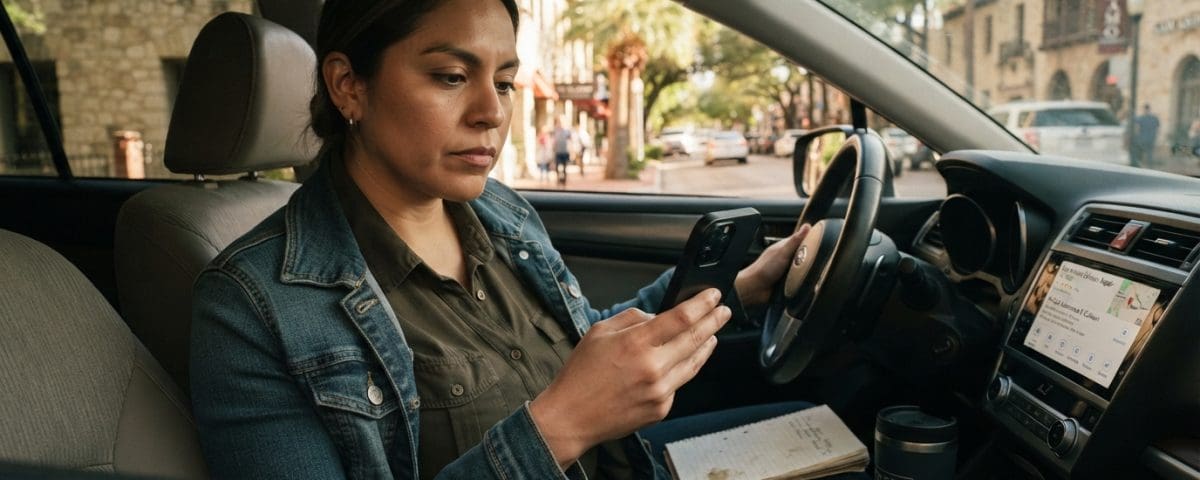
A collision can leave you choosing a repair provider before you know how extensive the damage is. Reviews can show how a body shop communicates, handles schedule changes, and responds when customers raise concerns. Still, a star score alone cannot prove repair quality or show whether a provider fits your needs.
A collision repair estimate is an itemized projection of the work and cost to repair collision damage, which may change if disassembly reveals additional damage. Compare review patterns with the work your vehicle may need, then confirm important details directly. Use customer feedback as one part of your decision, not as a guarantee.
That approach helps you look beyond a single glowing or angry account. Local review patterns can narrow the field, but they cannot make the decision for you.
Key Takeaways
- Look for repeated details about communication, timing, and concern resolution.
- Read the review date and the shop’s response along with its rating.
- Ask directly about repair capability, hidden damage, and technician experience.
- Compare written scopes and approval steps, not just prices.
- Choose a provider that can explain the work your vehicle needs.
Body Shop Reviews San Antonio: Why They Matter
Local reviews are most useful when you read them as evidence about the experience you may have, not as a promise about your repair. They can help you judge how a body shop explains estimates, shares progress, and handles timing changes. Those details matter when you need auto body repair after a crash.
Customer reviews offer clues about service, not technical proof of repair quality. Online feedback cannot confirm hidden structural damage, parts selection, or whether a specific technician is qualified for your vehicle. Ask the shop directly about those points before you authorize collision repair.
A customer may describe getting clear answers while waiting for parts. Another may explain that staff gave regular updates after a schedule change. Those accounts help you picture the process, even though your own repair may differ.
Reviews can also show whether customers felt heard when a concern came up. Look for accounts that explain what the shop did, rather than only saying the service was good or bad. A helpful review gives you a reason to ask a more focused question.
Use feedback to decide which providers deserve a closer look. Then confirm the repair work, communication plan, and insurance process with the shop itself. The useful details inside individual reviews offer a better next step than a star score alone.
What Can Detailed Reviews Reveal About a Repair Experience?
A useful review describes what happened when the repair did not follow a perfectly simple path. One Caliber Collision review for its Lombrano Street location describes a staff member answering questions, providing timely service, and sharing updates. Specific actions give you more context than broad praise.
A clear reason and regular updates make a delay different from a missed date with no explanation. An Atlas Body Shop review describes a changed ready date after panel removal revealed more damage. The customer also described an insurance delay and updates from the shop.
These accounts describe separate customer experiences, not a promise about what will happen at either business. They show how repair work can face different kinds of friction, even after a vehicle enters a shop.
Damage hidden behind a panel may only become visible after disassembly. The shop may then need to revise the work and the expected completion date. A changed date is easier to understand when staff explain what they found and what happens next.
When you read reviews, notice whether the account says how the shop handled the change. An unexplained missed date leaves you with little context. A stated reason, clear update, and new expectation help you judge communication, though they do not prove technical quality.
Across several accounts, look for details you can compare from one customer to another. Those practical details make review patterns easier to assess than general statements about a pleasant visit.
Which Review Details Matter Most?
A review becomes more useful when it names an action, a problem, or an outcome you can evaluate. Look for descriptions of communication and completed work, not just general praise. Specific details help you form better questions.
Look for clear updates and answers
Notice whether customers describe getting status updates at useful points during the repair. A review may say staff called after inspection, explained a change, or answered a question about an estimate. Concrete examples tell you more than a claim that communication was great.
Estimate explanations are another useful detail. Customers may say whether staff walked through the proposed work or clarified what the quote included. A review cannot tell you exactly how your repair will go, but it can help you ask how the shop handles questions.
Check how customers describe the finished repair
Comments about panel fit, paint match, and how a repaired feature works are more useful than “the car looks great.” Pickup follow-through matters, too. Look for accounts that explain whether staff reviewed the finished work and responded to concerns.
Use this short checklist as you compare accounts:
- Communication described with an example.
- Repair or paint outcome described specifically.
- Timing explained when it changed.
- Concern or correction addressed with a clear response.
A single account cannot establish a consistent pattern. One customer may focus on timing, while another describes the repair outcome. Read several accounts and notice which details return across different experiences.
Reviews with clear events and outcomes give you a better basis for comparison. Star ratings and review counts can add context, but they should be read alongside those details.
How Should You Read Ratings and Review Counts?
A high average is a useful starting signal, but the number of reviews and their details change how much context you have. The figures below are displayed listing details, not a current ranking or proof of workmanship. A rating cannot tell you whether a shop fits your specific repair.
| Shop | Displayed rating | Displayed review count | Listed address |
|---|---|---|---|
| Classic Collision West Ave | 4.9 stars | 2,574 | 2014 West Ave |
| Caliber Collision, Blanco Road | 4.8 stars | 7,418 | 4906 Blanco Road |
| Caliber Collision, San Pedro | 4.7 stars | 8,993 | 6308 San Pedro |
| Caliber Collision, Lombrano Street | 4.7 stars | 4,742 | 326 Lombrano St |
| Atlas Body Shop | 4.7 stars | 1,587 | 922 E. Carson St |
A larger review count gives you more customer accounts to inspect. It does not mean every account concerns the same repair, service team, or period. Different locations can also work with different vehicles and types of damage.
For car body shop reviews in San Antonio, use the displayed numbers as a way to find accounts worth reading. Do not treat a small difference in average rating as a reliable measure of repair skill. Compare the written experiences and ask each shop about your vehicle.
Rating and volume are only part of the picture. The dates on those accounts can show whether they describe more recent customer experiences.
Why Do Review Dates and Responses Matter?
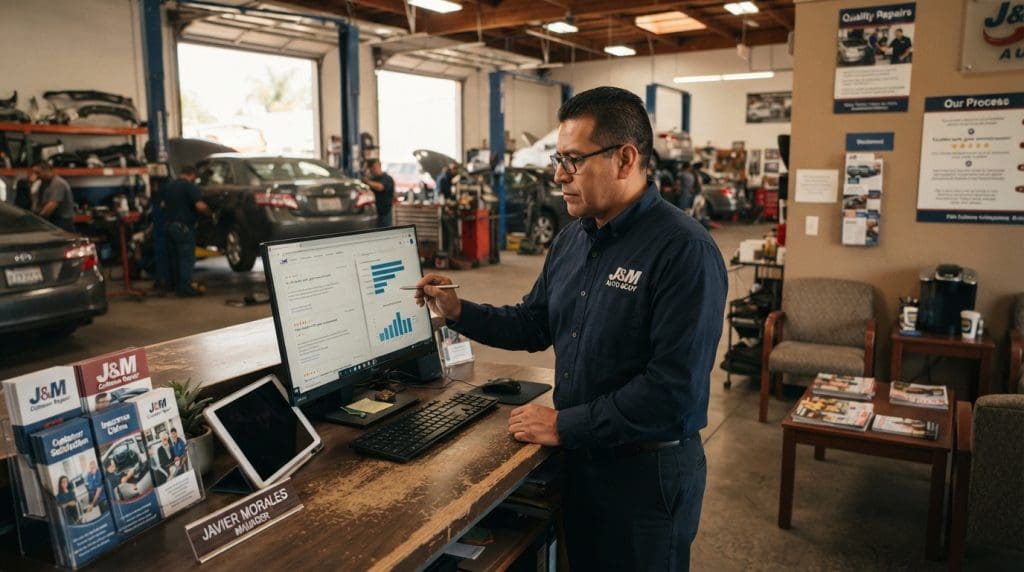
A shop’s recent review history can matter because staff, processes, and customer experiences can change over time. A cluster of recent, specific accounts may better reflect current communication than older feedback. Recent patterns help, but a few new reviews do not erase a long-running concern.
Check dates across both positive and negative comments, then look for repeated themes. A professional response may show that the business acknowledges a concern and offers a way to discuss it. A reply alone does not prove the repair issue was fixed.
Look at how the business answers, not just whether it replies. A response that recognizes the concern and gives a clear next step adds context. A short public reply cannot show what happened after the customer contacted the business.
Older reviews may still point to a pattern worth asking about, especially when similar complaints appear over time. New comments can add a view of current service, but a small group may not represent every customer or repair type.
Compare the dates and themes rather than treating one response as decisive. That gives you a more balanced view of the business. Repeated unresolved concerns deserve a direct question before you book.
Spot Review Patterns That Warrant a Closer Look
One angry review is not enough to judge a provider, but the same unresolved problem appearing repeatedly deserves attention. Repeated accounts about unclear charges or missed calls can point to questions you should raise before booking.
Ask for written answers when key terms or steps remain unclear. A single complaint needs context, while repeated reports of the same issue deserve follow-up. Pause if the shop cannot explain who approves work or what you may owe.
Separate a one-off complaint from a repeated issue
A one-time schedule problem may reflect a specific part delay or newly found damage. Similar reports from different customers may suggest a wider communication issue. Check whether the reviews describe the same problem and whether the shop explained what happened.
Recurring complaints about estimates also deserve attention. Customers may say they did not understand the charges or could not reach staff to ask questions. Reviews do not prove what happened in each case, so use them to frame direct questions.
Notice how concerns are handled
A dismissive reply, changing explanation, or missing next step gives you a reason to ask more. It does not automatically prove poor repair work. Ask how the shop would address a concern after pickup and who would handle follow-up.
- Recurring unexplained schedule changes.
- Customers say estimates were not explained.
- Repeated reports of difficulty reaching staff.
- Concerns described as unresolved after pickup.
- Pressure to authorize work before scope and payment duties are clear.
These patterns may affect your confidence in the business, but they do not replace a direct conversation. Ask for written answers about the estimate, timing, and approval process. If key terms remain unclear, pause before leaving your vehicle.
Once you have assessed trust signals, confirm that the shop handles the type of damage and service your vehicle needs.
Which Repair Capabilities Should You Confirm?
Before comparing providers, make sure each one can take responsibility for the kind of work your car may need. Visible dents and paint damage may not show the full scope. Describe the impact and ask whether the shop handles related work.
Match the shop’s work to the damage
Tell the shop where the impact occurred and what you have noticed since. Ask whether it handles structural checks, body repair, and refinishing connected to that damage. Visible marks are only one clue about the work your vehicle may need.
A provider should be able to explain which work it performs and what might need outside support. Ask how staff will tell you if inspection reveals a different repair scope. That conversation can help you decide whether the shop fits your needs.
Ask about services beyond panel and paint work
Service listings may include automotive glass replacement, detailing, full-service mechanical work, and paintless dent repair. These are separate capabilities, so confirm them rather than assuming every body shop offers them.
| Need or service | What to ask the shop | What a review can help you check |
|---|---|---|
| Collision body and paint repair | Which damage types and refinishing work are handled? | Reports on repair outcome |
| Glass replacement | Is glass work available for your vehicle? | Customer comments on coordination |
| Paintless dent repair | Is the dent suitable for that method? | Reports on the result |
| Mechanical work | Does the shop do or coordinate the needed service? | Comments on communication between repair stages |
The table is a question guide, not a claim that every listed shop provides every service. Ask who will handle each part of the job and how the shop will keep you informed.
Once the repair scope is clearer, consider what distinguishes a collision-focused provider from a general body repair shop.
Choose the Right Shop for the Damage, Not Just the Name
The label on the building tells you less than the work the team is prepared to complete. People often use body shop and collision shop for overlapping auto body repair services. Check each provider’s actual capabilities for your vehicle.
One business may handle structural damage and refinishing, while another may focus on visible body repair. Glass and mechanical work may also be handled in-house or coordinated elsewhere. The name alone does not tell you how that business works.
Compare providers on these points:
- Range of collision work the team handles.
- Ability to assess damage beyond the visible panel.
- Ability to coordinate related glass or mechanical service.
A collision center label does not confirm training, equipment, or fit for a particular make and model. Ask who will assess your vehicle and what work the shop expects to perform. Request clear answers about any services it plans to send elsewhere.
Choosing by the repair needed can help you avoid relying on a broad label or familiar name. Once you know the provider’s fit, ask how estimates and insurance coordination work.
How Do Estimates and Insurance Coordination Work?
The first estimate helps you understand the proposed work, but it may not capture damage that is not yet visible. The initial estimate is a projected scope and cost based on what the shop can assess at that point. It is not a promise that hidden damage will not change the work.
Read the initial estimate as a starting scope
A supplement is a revised estimate for added damage or work found after disassembly. Ask the shop to discuss changes before proceeding. Written approval steps can help you understand when a new decision is needed.
Read the estimate for the work it names, the parts it includes, and any assumptions about damage. Ask what could change after the shop removes panels or inspects nearby areas. Keep a copy of the estimate and later changes for your records.
Confirm who handles insurance communication
Ask whether the shop assists with communication with your insurance company. Find out who requests approval for added work and how the shop will explain charges you may owe. Ask how it handles deductible questions, too.
An insurer’s estimate or a shop’s estimate alone does not settle every coverage decision. Your policy and the insurer’s review affect coverage. Ask the insurer and the shop to explain their roles and any amount that remains your responsibility.
| Stage | What it covers | What can change | Your question |
|---|---|---|---|
| Initial estimate | Visible damage and proposed work | Hidden damage or parts and labor details | What is included? |
| Supplement | Added work identified during repair | New damage or revised scope | Will you contact me before proceeding? |
| Final bill | Completed authorized work and applicable charges | Authorized changes and agreed payment responsibility | Can I review the itemized charges? |
A clear process helps you understand the proposed work and who must approve changes. With that in hand, you can compare prices more fairly.
How Can You Compare Repair Costs Without Choosing on Price Alone?
A low quote can be misleading if it leaves out work another shop has included. A listed 2021 average for auto body repair on an accident-damaged vehicle was $3,790. That figure is not a current San Antonio quote or a promised repair price.
The price depends on the vehicle, visible and hidden damage, parts, labor, and repair scope. Quotes are comparable only when they describe similar work. Ask each shop to explain what it included and what may change after inspection.
Compare these items in writing:
- Included repair operations.
- Parts specified in the estimate.
- Assumptions about hidden damage.
- Written handling of supplements and customer approval.
Cheap body shop reviews in San Antonio can help you assess whether customers describe clear pricing and follow-through. A low number alone cannot establish value. Check whether the quote covers the work your vehicle needs and whether the shop explains possible changes.
Do not treat an older average as a guide to what your own repair should cost. Similar-looking impacts can need very different work when damage extends behind the visible surface.
Which Damage Types Can Make a Repair More Complex?
A dent’s visible size does not always show how much work lies behind the panel. Damage to hidden parts, structure, or vehicle technology can change the repair scope. The inspection and vehicle details matter more than appearance alone.
Consider hidden structural and safety-related damage
Damage behind panels or in structural areas may only appear after disassembly. Collision work involving safety systems or sensors should be assessed by a shop that can explain what work is needed. Ask what the inspection covers and how the shop will report new findings.
Safety-related work can vary with the vehicle and the point of impact. Ask whether the shop expects to inspect or calibrate related systems. The estimate should explain the work it includes, rather than leaving you to guess what a repair phrase means.
Ask how dents, paint, and vehicle technology affect scope
A small dent may suit paintless dent repair if the paint and access allow it. A dent that affects paint, panel shape, alignment, or nearby parts may need another method. The right choice depends on the damage and vehicle details.
| Damage situation | Why appearance may not tell the full story | What to ask |
|---|---|---|
| Small dent | Paint condition and access affect repair options | Is paintless dent repair suitable? |
| Bumper or panel impact | Brackets or nearby components may also be affected | What will inspection confirm? |
| Structural or sensor-related impact | Safety-related components may need assessment | What inspection or calibration work is included? |
There is no single most expensive car part to repair in every case. Structural or safety-system work can cost more, depending on the vehicle and damage. There is no universal hardest repair, either; hidden structural and sensor-related work can add complexity.
The “$3000 rule” is not a universal repair or insurance rule. Your decision depends on the written estimate, the vehicle’s value, and your coverage terms. A mobile provider may offer a convenient first step, but you should know what work it can complete.
Can a Mobile Body Shop Handle Collision Damage?
Mobile service can make an initial step easier, but it does not mean every repair can be completed where the vehicle is parked. It may suit an assessment or certain limited work. Disassembly, refinishing, structural repairs, or specialized equipment may require a fixed facility.
Ask which work the provider performs on-site and what must happen at a shop. Confirm who handles parts, later work, and follow-up if the first inspection finds more damage. Ask whether the estimate covers the full repair or only the service available on-site.
Mobile body shop reviews in San Antonio should be judged by the specific service described. A review about a small task does not show that the provider can handle full collision repair. Do not assume a mobile provider has the equipment or services your vehicle needs.
Ask how the provider will explain any work it cannot do at your location. Find out where the vehicle would go next and who would update you. A clear answer can help you decide whether mobile service fits your situation.
With the service type and repair scope in mind, use location and review evidence to narrow the local options.
How Do You Shortlist Local Shops in San Antonio?
San Antonio offers many listings, so start by narrowing the choices to shops that fit your location and repair needs. Distance affects drop-off, updates, and pickup logistics, but it should not outweigh repair fit. Use location as a filter, not as proof of quality.
Use location as a practical filter
Choose an area that makes it realistic to leave your vehicle and collect it later. Ask how the shop handles updates if you cannot visit easily. A convenient location can reduce travel, but it does not confirm that the business handles your damage.
Compare nearby listings without treating ratings as a verdict
A local business directory shows 837 results for Auto Body Repair and Painting near San Antonio. Listings for the 78250 area include these businesses and displayed details:
| Shop | Displayed rating | Displayed review count | Listed address |
|---|---|---|---|
| Caliber Collision, Medina Valley | 5.0 stars | 73 | 5920 Little Crown Road |
| Caliber Collision, Helotes Express | 4.9 stars | 7,213 | 11247 West Loop 1604 North |
| Classic Collision Bandera | 4.9 stars | 2,699 | 7606 Bandera Road |
| 911 Auto Centers | 4.9 stars | 1,147 | 8527 Bandera Road |
| J.D. Collision Express, Culebra | 4.9 stars | 424 | 10229 Culebra Road |
These are listing details, not a current quality ranking or a guarantee that a shop fits your repair. The 837 directory results show a broad field, not 837 vetted recommendations. A directory grade or rating does not replace your own questions.
Searches for best auto body shop reviews in San Antonio, best body shop reviews in San Antonio, and auto body shop reviews in San Antonio can help you find accounts. Build a shortlist by matching recent review themes, service capability, and location.
Carry that shortlist into a final set of questions before you authorize work.
What Should You Confirm Before Authorizing Repairs?
Before handing over your keys, make sure you understand what you are authorizing and how changes will be handled. Ask for the scope, parts assumptions, and approval steps in writing. Do not approve added work until you understand the change and its cost.
Get scope, parts, and changes in writing
Ask for an itemized repair scope and clear notes about the parts the shop expects to use. Confirm how staff will contact you if disassembly reveals more damage. Agree on approval first, before any added work begins.
Ask for the shop’s written workmanship warranty terms. Do not assume a particular warranty exists or applies to every part of the repair. Have the provider explain the terms, limits, and steps for raising a concern.
Agree on updates and the pickup inspection
Confirm how the shop will send progress updates and who will contact you if the timeline changes. Ask what you can review at pickup. A final inspection is your chance to look over the completed work and ask about any concern.
Use this checklist before you authorize the repair:
- Itemized scope.
- Parts and repair-method questions answered.
- Supplement approval process agreed.
- Update and delay contact method confirmed.
- Warranty terms and final inspection explained.
The best collision repair in San Antonio is the provider that can document the repair plan, show relevant capability, and answer your questions. The highest score alone cannot establish the best fit for your vehicle.
With those checks complete, you can choose which local contact to call about the damage.
Where Can You Contact Miracle Body and Paint Collision Center in San Antonio?

If you are ready to discuss collision damage with a local provider, choose the location that is more convenient for you. Contact Miracle Body and Paint Collision Center to ask about your vehicle and the next step.
North West San Antonio, Leon Valley: (210) 680 -1987, 6217 Grissom Rd., San Antonio, TX 78238.
North East San Antonio: (210) 858-3630, 4650 Walzem Rd, San Antonio, TX 78218.
When you call, describe the damage and ask how the estimate process works. Ask about the next available appointment, since appointment timing can change. The staff can tell you what information they need to discuss your vehicle.
Have your questions ready, especially if you have an insurance claim or already received an estimate. Do not assume a price, service, warranty, or appointment time until the location confirms it with you.
Use your review and repair-fit checks to guide the call, then take one clear next step toward assessing the damage.
Conclusion
Let clear, specific evidence and a repair plan you understand guide your choice. One score cannot tell you how a shop will handle your vehicle. Repeated review patterns and direct answers about scope matter more than a single rating.
A useful review describes what happened, while the shop should explain changes before work begins. Ask questions until you understand the repair plan and approval process. Then contact the provider that best fits your needs.
Hire Miracle Body and Paint Collision Center to fix the collision damage on your vehicle.