How Long Does Collision Repair Take? What Affects Your Repair Timeline
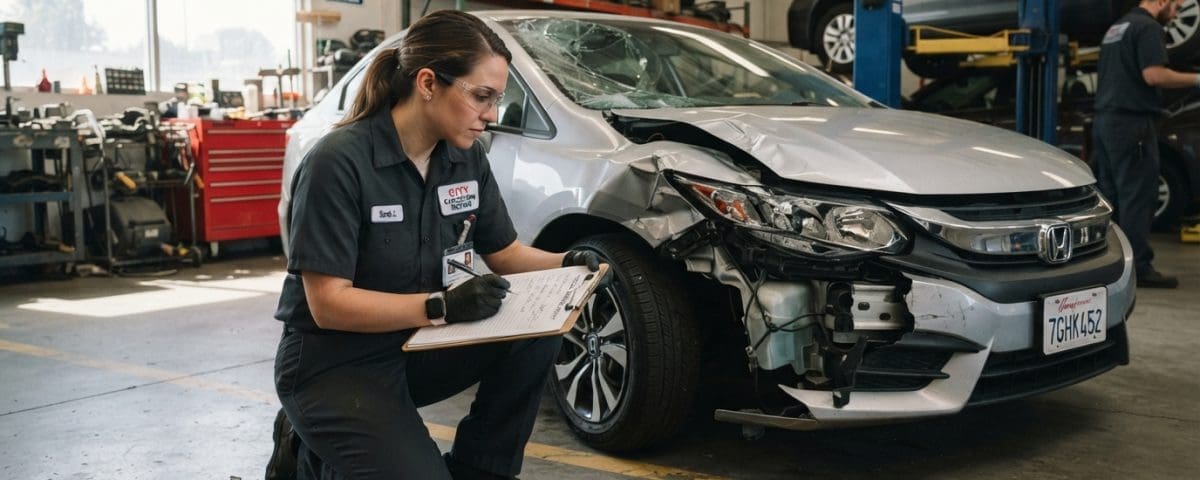
After a crash, visible dents may hide damage that can affect your vehicle’s safety. Certified collision repair can help you check whether a collision center has skills suited to your vehicle’s make and damage. The right qualifications matter because damage can reach structures or systems you cannot see.
A bent panel may be easy to spot, but a damaged frame, sensor, or steering part may not be. As a customer, you need clear answers about what the collision center will inspect and fix. This page explains what credentials can tell you, what questions to ask, and how to contact a San Antonio shop.
Key Takeaways
- Hidden damage can affect safe operation.
- Certification applies to a specific automaker or program.
- Ask which parts and repair methods the shop plans to use.
- Get clarity on estimate changes and insurance communication.
- Confirm whether driver-assistance systems need checks or calibration.
Knowing what certification covers helps you judge what a shop can verify for your vehicle.
Why Certified Collision Repair Protects Your Vehicle’s Safety
Manufacturer certification shows a collision center has met requirements for a particular automaker or program. Those requirements can guide repair work on structures, parts, and vehicle technology. Certification for one make does not prove approval for every make.
OEM parts are parts made by the vehicle manufacturer or its approved supplier to meet the vehicle’s original-equipment specifications. Requirements for technician training, tools, and parts vary by automaker and program. A credential is useful when you can confirm its scope and current status.
What does certified collision repair certification verify?
Certified collision repair certification may show that a collision center meets defined standards for certain repair work. It does not promise a perfect repair or prove that every technician handles every task. Ask which vehicle makes and repair types the credential covers.
Honda-approved collision centers offer one example of a make-specific program. Honda describes its centers as meeting Honda safety, quality, and performance standards. The program includes trained technicians, advanced repair technology, and genuine Honda parts.
How manufacturer-specific training and equipment matter
Auto body repairs can involve materials and technology designed for one vehicle line. Training can help technicians follow the automaker’s repair steps, while suitable equipment supports the work. A collision center should explain how its tools and procedures fit your vehicle.
The table shows useful points to confirm. It separates what a program may establish from what you should ask about your own repair.
| Topic | What manufacturer certification may establish | What you should verify |
|---|---|---|
| Technician training | Training for listed makes or repair tasks | Current training for your vehicle and damage |
| Repair procedures | Use of automaker repair information | Which steps apply to your vehicle |
| Equipment and technology | Access to required tools and systems | Tools for your model and repair needs |
| Parts | Parts rules for the program | Part type planned for each repair |
When OEM parts are worth asking about
Ask about OEM parts when a damaged area includes safety-related structures, sensors, or other technology. The right part choice can depend on the automaker’s procedures and the damage. Request a clear explanation if the estimate lists a different part type.
A non-certified shop may still complete a repair correctly, and certification alone cannot guarantee a safe result. Credentials are one part of your decision; the damage found and the estimate also shape the work ahead.
What Determines the Scope and Cost of Collision Repairs?

Two vehicles with similar-looking bumper damage can need different repairs. What sits behind the panel may change the work, and the estimate depends on the damage found, the vehicle, needed parts, and affected systems.
A newer car may have sensors behind a bumper, while another vehicle may have a simpler setup. Damage to a frame, wheel, or cooling system can also add work beyond paint and body repair. The collision center needs to assess the specific vehicle before setting out the repair plan.
Ask how the estimate handles hidden damage that appears during disassembly. A first inspection may not reveal every bent bracket, cracked mount, or damaged wire. Find out how the collision center will explain added work and update the estimate.
Insurance may affect payment and communication, but it does not make every repair choice automatic. Ask what the estimate includes, which items still need review, and who will discuss changes with your insurer. There is no single price that fits every collision repair.
A clear estimate links each repair item to damage found on your vehicle. It also helps you see what remains uncertain and what could change after disassembly. Understanding the possible scope prepares you to ask what happens once repair work begins.
How Does the Certified Collision Repair Process Work?
The first practical step is assessing the damage before anyone plans repair work. A careful review records visible issues and may identify areas needing closer inspection. The repair plan should fit your vehicle’s condition and specifications.
The exact process can differ by vehicle and damage. Ask how the collision center documents the condition, shares the plan, and handles new findings after parts come off.
From damage assessment to a repair plan
During assessment, technicians inspect the vehicle and record damage. They may need to remove parts to check hidden areas before confirming the full scope. The collision center can then set out the needed body, mechanical, and paint work.
Repair steps should follow information that applies to the make and model. Ask which factory specifications guide the work, especially if structural parts or advanced systems are involved. A clear plan can show which items depend on further inspection.
| Process stage | What the collision center does | What you can ask |
|---|---|---|
| Assessment | Inspects and documents visible damage | What needs a closer check? |
| Repair plan | Lists planned work and parts | Which specifications guide the plan? |
| Repair and reassembly | Completes approved work and refits parts | How will new damage be reported? |
| Final checks | Reviews the completed work and systems | Were needed checks or calibrations done? |
Reassembly, safety checks, and delivery
After repair work, technicians reassemble the vehicle and check that parts fit and systems work. A vehicle with driver-assistance technology may need checks or calibration after repair. Ask whether this applies to your vehicle and how the collision center will confirm completion.
Final checks may include a review of repaired areas and related systems. Ask what the collision center checks before delivery and what records you will receive. That gives you a basis for judging the provider’s fit, communication, and qualifications.
What Should You Check Before Choosing a Collision Shop?

Before authorizing work, ask, “Does your certification apply to my vehicle’s make?” A specific answer helps you judge whether the credential fits your repair. Check the shop’s qualifications, planned work, and communication before you approve the estimate.
A certified collision center should be able to explain its credentials without treating them as a promise of results. Use these questions to compare a shop’s services and approach.
Confirm the credentials fit your make and repair
- Make-specific certification: Ask whether the approval covers your vehicle’s automaker and the repair involved.
- Current technician qualifications: Ask who will work on your vehicle and whether their training is current.
- Procedures and equipment: Ask which repair information and tools apply to your model and damage.
- Parts: Ask what parts the estimate lists and why that type fits the repair.
- Estimate and insurance updates: Ask who explains changes and communicates with your insurer.
Insurance assistance does not mean every insurer will cover every repair or part choice. Ask what communication the shop can handle, and confirm coverage questions with your insurer.
Ask about parts, insurance, and mechanical work
Collision damage may affect more than the body or paint. Ask whether the shop performs mechanical work or coordinates it with another provider, since capabilities vary. This matters if the impact affected steering, suspension, lights, or other systems.
Before you choose, make sure you understand who will contact you about new findings and what approval they need. Those answers help you decide whether the shop’s service style meets your needs. Then choose a San Antonio location and ask about a first discussion.
Where to Find a Certified Collision Center in San Antonio
Miracle Body and Paint Collision Center has two San Antonio locations. Choose the one that suits your trip and call to discuss the damage. If you searched for certified collision repair near me or a certified collision center in San Antonio, confirm any make-specific credentials directly.
Neither address should be assumed to hold manufacturer approval based on its location or name. Ask about the credentials that apply to your vehicle and the services you need. The two options are:
- North West San Antonio, Leon Valley: 6217 Grissom Rd., San Antonio, TX 78238. Call (210) 680 -1987.
- North East San Antonio: 4650 Walzem Rd, San Antonio, TX 78218. Call (210) 858-3630.
Have your vehicle details and a short description of the collision ready when you call. Photos may help you describe visible damage, but an in-person assessment may still be needed. Ask what information to bring and how the collision center handles the next step.
Use these three steps to get started today:
- Choose the more convenient San Antonio location.
- Call to discuss your vehicle’s damage and possible next steps.
- Ask what vehicle details, records, or other information to bring.
A call can help you learn whether the location’s services match your repair needs. Contact the location that suits you and hire Miracle Body and Paint Collision Center to fix collision damage on your vehicle.
Conclusion
Choosing a repair provider carefully helps you make a more informed decision about your vehicle’s care. Ask about the qualifications that fit your make and request a repair plan you can understand. The shop should explain how it will handle new damage, parts, and any needed system checks.
A clear conversation can help you know what to expect before work begins. Contact the San Antonio location that suits you and hire Miracle Body and Paint Collision Center to fix the collision damage on your vehicle.