


Why Certified Collision Repair Matters for Your Vehicle’s Safety
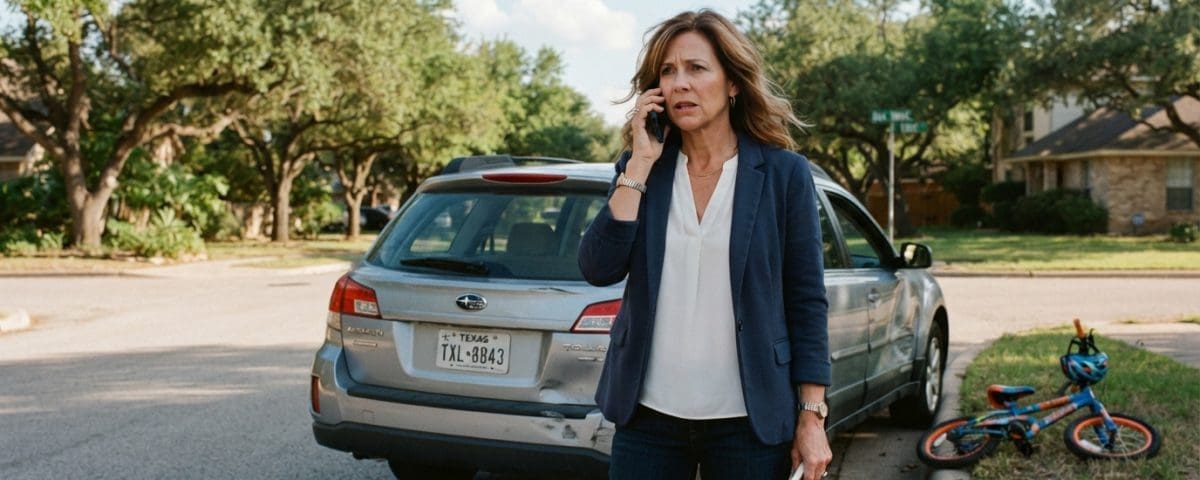
After a collision, insurance claim assistance starts with safety and a prompt call to the insurer whose policy may cover the loss. Your policy terms shape what the insurer covers and how the claim process works. A deductible is the amount your policy requires you to pay toward a covered loss before your insurer pays its share, if the deductible applies.
You may have questions while helping your family, especially if the car cannot reach home. Share clear information and ask what the insurer needs next. The practical steps below can help you move from the crash scene to a repair decision without guessing about fault or payment.
Key Takeaways
- Check for injuries and immediate hazards first.
- Contact the insurer whose policy may cover the loss.
- Keep claim details, records, and conversations together.
- Ask about coverage, estimates, and any deductible.
- Confirm repair questions before work begins.
What Should You Do at the Scene Before Filing a Claim?
In the first minutes after a collision, check for injuries and nearby dangers before gathering details. People come first, and a blocked road or leaking fluid can create fresh risks.
Move to a safer place if you can, then contact emergency services if anyone is hurt or danger remains. Do not put yourself in traffic to take photos or collect papers. Follow instructions from emergency responders and keep others clear of hazards.
Protect People First and Exchange Details
When it is safe, exchange names, contact details, driver’s license information, and insurance details with the other driver. Note each vehicle’s make, model, color, and license plate. These basic auto and property details can help identify the people and vehicles involved.
A police report may be useful if an officer makes one. Ask how to get its report number or a copy, if available. Do not assume every collision requires a report; follow directions from local responders and the insurer.
Record the Damage and Witness Information
Take clear photos of vehicle damage and the scene when it is safe. Include the vehicles’ positions, nearby road signs, and visible damage from several angles. Get names and contact details from witnesses who saw the collision.
Use this short checklist to organize the first details. You can add more records later, once you are away from the scene.
- Safety and emergency help: injuries, hazards, and calls for help.
- Driver and vehicle details: names, contact information, plates, and insurance.
- Scene and damage photos: vehicle positions, visible damage, and road signs.
- Witness details and any report information: contacts, report number, or copy details.
These organized details make your first call more useful and help you answer basic questions. Next, choose which insurer to contact and how to report the loss.
Where Can You Get Insurance Claim Assistance in Texas?

You can generally report a claim online or by phone to the insurer whose coverage you are seeking. Choose the route that fits the policies and facts involved, since your available coverage affects where you start.
A first-party claim is under your own policy; a third-party claim is against another driver’s insurer. The right route depends on the available policies, coverage, and circumstances. If you are unsure, ask an insurer which policy may apply and what it needs to review.
File Through Your Own Insurer or the Other Driver’s Insurer
A first-party claim may be an option when your policy covers the loss. A third-party claim asks the other driver’s insurer to consider payment under that driver’s coverage. The insurer reviews the circumstances and policy terms, so neither route guarantees a particular decision.
You can file a claim online or by phone. The insurer guides you through its filing steps and explains what information it needs. Required details and available tools vary by company, so use its own instructions rather than assuming every account works alike.
Make the First Report and Track Follow-Up
Use these four steps to start and keep track of the claim. Write down details as you go, even if you also use an app.
- Choose the relevant insurer and a filing route, online or by phone.
- Give the basic crash and policy details the insurer requests.
- Record the claim number and claim adjuster’s contact details.
- Check the insurer’s account, app, or phone channel for updates.
An account may show messages or claim status, while another insurer may handle updates by phone. Some companies label an online tool “file track,” but features and wording vary.
Keep a complete record of documents and communication, including the date and purpose of each message. That record will help you prepare information for the insurer.
What Information and Evidence Should You Give the Insurer?
If an insurer asks for a detail you have not confirmed, do not guess. Be clear about what you know and separate your observations from details that remain uncertain.
Give accurate information, and do not hide or change known facts. For filing, gather your declarations page or policy details, claim number if assigned, crash date and location, photos, available report details, witness contacts, and relevant receipts or records.
A declarations page lists key policy details, such as the named insured and coverage. If you do not have a paper copy, check your insurer’s account or ask the insurer how to get one. Share records that relate to the claim, and answer questions in plain terms.
Do not state a guess about fault, injuries, or repair costs as a fact. For example, say you have not received a repair estimate if no shop has inspected the vehicle. If pain or other damage appears later, report what you observe and when it began.
These records can help answer questions about what happened and which costs relate to the crash. A simple communication log also makes later questions easier to trace.
| Record | What to capture | How it helps |
|---|---|---|
| Damage photos | Vehicle, location, and visible damage | Shows the damage seen at the time |
| Crash or police report if available | Report number or copy details | Identifies the report tied to the crash |
| Witness details | Name and contact information | Allows follow-up with a person who saw events |
| Communication log | Date, time, representative, next step | Tracks calls and agreed actions |
For each call, note the date, time, representative’s name, and agreed next step. Keep copies of messages, reports, and receipts with the claim number. This clean record helps resolve questions about damage scope and cost during review and repairs.
How Do Damage Reviews, Repairs, and Claim Payments Work?

A photo review may be enough for one vehicle claim, while another needs an in-person appointment. The insurer chooses its review method based on the claim and the information it needs.
An insurer’s estimate projects the cost to repair or replace damaged property. Compare it with the repair shop’s inspection, and ask how the insurer will handle damage or costs the estimate leaves out.
Once the estimate is ready, you can discuss repair scheduling with the shop. Before authorizing work, ask the insurer and shop how they will address any difference between the estimate and the shop’s findings.
| Stage | Who handles it | What to confirm |
|---|---|---|
| Damage review | Insurer or claim adjuster | Photo review or in-person appointment |
| Estimate | Insurer and repair shop | Listed damage and projected cost |
| Repair scheduling | You and repair shop | Work plan and timing |
| Payment | Insurer, you, or repair vendor | Payee and deductible amount |
Payment may go to you or a repair vendor, and the applicable deductible reduces the amount. Ask who will receive payment and how the deductible affects the claim before making plans to pay the shop.
If you search for an insurance claim check phone number, there is no single number for every insurer. Use the claims number on your policy or in the insurer’s official account. Insurance claim check online options for payment and status depend on the insurer; use its official account or app.
Resolve estimate questions with the insurer and repair shop before proceeding with repairs. If the claim stalls or a decision seems wrong, ask about the reason and your options.
What Can You Do If the Insurer Delays or Denies Your Claim?
If you receive a denial without knowing which policy term the insurer applied, ask for the explanation in writing. Start with the reason, not an argument about the outcome.
Request the insurer’s decision and the specific policy basis in writing. Review your declarations page and policy wording for coverage, exclusions, and notice deadlines. Deadlines vary by policy, so check your own documents.
Ask for the Decision and Its Policy Basis in Writing
Keep call notes, messages, and relevant repair estimates. Ask which facts or policy terms shaped the decision, and point out any factual error in writing. If the disagreement concerns damage value, ask whether your policy allows an appraisal.
To outsmart an adjuster, use accurate records and specific questions, not tricks or concealment. Correct errors in writing and keep a copy of your message. Clear details can help the claim adjuster understand what you dispute.
Escalate a Dispute Through Texas Channels
The best insurance claim assistance for a disputed Texas claim may include contacting the Texas Department of Insurance (TDI). Call its help line at 800-252-3439 or submit a complaint through its online Consumer Complaint Portal.
TDI can review consumer complaints, but it is not a lawyer and cannot give legal advice or decide who caused a crash. It also cannot compel payment if the insurer has not violated the policy or law.
Escalation can help address a complaint or clarify a policy issue, but it cannot promise a different result. Once you understand the decision and your options, you can plan the next step for collision repairs.
Conclusion
Keep your claim file and repair decisions organized, and confirm estimate questions before work proceeds. Clear records and direct questions can help you manage the process. For collision repair, contact Miracle Body and Paint Collision Center at either San Antonio location.
North West San Antonio, Leon Valley: (210) 680-1987, 6217 Grissom Rd., San Antonio, TX 78238. North East San Antonio: (210) 858-3630, 4650 Walzem Rd., San Antonio, TX 78218.
Contact and hire Miracle Body and Paint Collision Center at either location to fix the collision damage on your vehicle.

