


Can Your Insurance Company Force You to Use Their Preferred Body Shop in Texas?
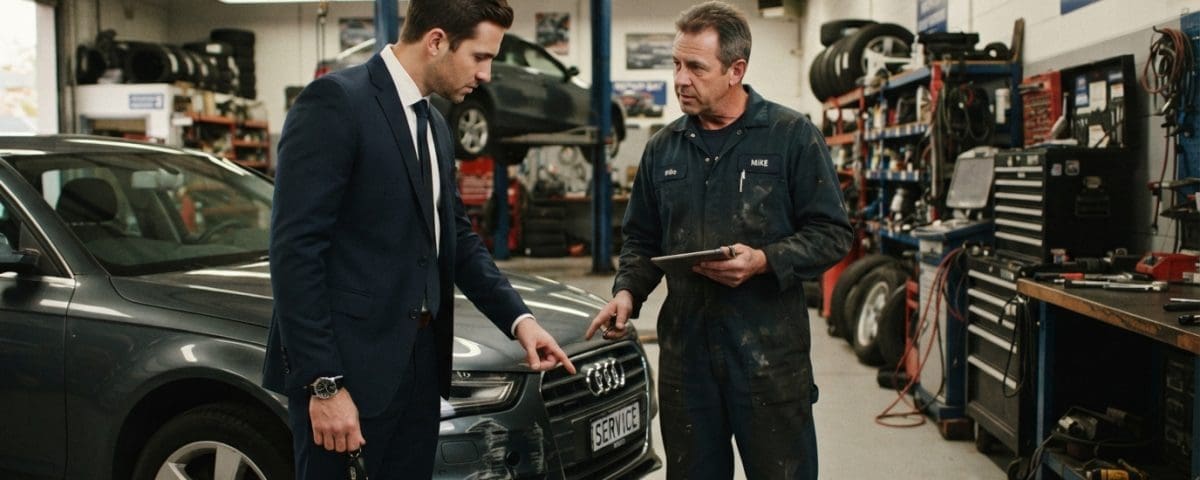
A driver has just reported collision damage when an adjuster recommends a particular facility, and the driver wonders whether that choice is mandatory. After an accident, that call can come while you are still arranging a tow or dealing with a damaged vehicle. A quick recommendation may sound like a rule, especially when you are trying to move the claim forward.
Insurance steering Texas drivers may encounter can add pressure to an already difficult moment. You deserve clear information before deciding where your vehicle will be repaired. The choice can affect how you discuss the estimate, the repair plan, and any costs that the policy does not cover.
This guide offers a practical way to understand your options, respond to pressure, and keep a useful record of claim conversations. You can take time to ask questions and make an informed repair-facility choice. First, learn how steering can show up in everyday claim discussions.
Key Takeaways
- You can select a repair facility for covered collision repairs.
- A preferred-shop network does not make other shops ineligible.
- An insurer may review whether a repair amount is reasonable under your policy.
- Keep exact notes and copies of messages if pressure continues.
- Ask the repair shop about its written estimate and workmanship warranty.
What Does Insurance Steering Look Like After a Collision?
An adjuster might say a network facility is the only practical place for your vehicle. That may sound like an order, but steering can be direct or indirect. A Direct Repair Program (DRP) is an arrangement in which an insurer has a network of repair facilities that receive referrals and work under agreed claim-handling terms.
A shop recommendation alone does not make that shop a legal requirement. The meaning depends on the words used and the pressure behind them. A direct instruction may say you cannot use another repair facility. Indirect pressure can instead suggest that another shop will cause trouble, delay, or extra cost.
Direct instructions versus indirect pressure
Steering tactics can appear during a phone call, in a text, or while arranging an inspection. A representative may present a network option as the only path to a prompt review. You can ask whether that statement reflects your policy or simply describes the insurer’s usual process.
Listen for the difference between a recommendation and a condition. “We can send your vehicle to this facility” offers help. “We will not handle your claim unless you use this facility” makes a broader claim that deserves a clear explanation in writing.
Confusion can also come from vague terms such as “approved” or “preferred.” Ask what the term means for your claim, not just what it means for the insurance company. A repair facility’s network status does not, by itself, decide whether your policy covers a repair.
What a preferred-shop network means
Preferred shops take part in an insurer’s referral arrangement. A participating repair facility may agree to certain claim-handling terms. The insurance company can then refer drivers to that location, which may make scheduling and claim communication simpler.
Do not treat the label “preferred shop” as proof that other facilities cannot handle your claim. A shop outside the network can still prepare an estimate and perform repairs. The insurer may review the claim and repair costs under the policy.
Once you recognize the difference between a referral and pressure, the next question is why an insurer promotes its network.
Why Do Insurance Companies Promote Preferred Shops?
Network referrals can simplify claim handling while also serving an insurer’s cost and claim-cycle goals. Convenience is one reason insurers promote preferred shops, but it is not the only reason. A referral system can bring the insurance company and repair shop into a familiar process.
Network status alone does not prove a shop cuts corners, and independent status does not prove better work. Your vehicle’s repair needs and the facility’s actual work matter more than its label. The insurer’s business goals and your interest in a properly restored vehicle may not be identical.
Cost control and claim-cycle goals
Participating facilities may agree to pricing concessions, parts rules, or labor restrictions in exchange for referrals. Those terms can help an insurer predict costs across claims. They do not automatically tell you whether a specific repair plan suits your vehicle.
Insurance companies may also track how quickly claims close. A network process can make estimates, inspections, and payment discussions more routine. Faster claim handling may help both the insurer and the driver, though speed should not replace a sound repair plan.
The repair shop still needs to identify the work required for the damage it finds. If a panel hides damage that was not visible at first, the shop may need to explain added work. The claim process can then involve more review.
Convenience does not decide repair quality
A preferred shop may offer a convenient location or a familiar process. An independent repair shop may suit you better for other reasons, such as its experience with your vehicle. The right fit depends on the work and communication you need.
Do not assume every network facility follows the same repair approach. Do not assume every shop outside the network provides better service, either. Ask how a facility plans and documents the work rather than relying on its business category.
Insurer priorities explain why a network may be promoted. Your next concern is what Texas law protects when you select a facility.
Insurance Steering Texas: What Does Texas Law Let You Choose?
Texas law protects your ability to choose a repair facility. You choose the shop, while your policy and the claim facts shape what the insurance company pays. Texas auto insurance protections do not turn every estimate into a guaranteed payment.
Texas Insurance Code §1952.301 bars limiting coverage by restricting a claimant’s repair-person or repair-facility choice. The law also addresses limits tied to certain parts characteristics or sources. The insurer may still pay a reasonable amount for repairs under the applicable coverage.
| Protection | What it means for your choice | Important limit |
|---|---|---|
| Repair-facility choice | You select the repair shop | Payment remains subject to policy coverage |
| Parts selection | Parts rules cannot restrict choice in a prohibited way | Coverage terms and repair needs still matter |
| Reasonable repair payment | The insurer may review a claimed amount | Your shop’s quote is not automatic approval |
The law protects the choice itself, not an unlimited repair budget. If your selected repair shop charges more than the insurer considers reasonable, ask for an itemized explanation. The dispute may concern labor, parts, or procedures rather than the facility you chose.
In 2010, Commissioner’s Bulletin B-0031-10 warned auto insurers that steering practices may count as unfair claim settlement practices. The bulletin is a warning about conduct, not a new law. It gives context to the Texas Department of Insurance (TDI) oversight of auto claims.
You may see the regulator described as the Texas Department of Insurance or as the Texas department insurance regulator in claim materials. The department insurance office handles consumer concerns, while the policy and facts guide payment decisions. Its role does not mean every payment dispute will have the same result.
Knowing the rule makes it easier to assess statements that could mislead you about your options.
Which Statements May Be Steering Tactics?
A driver may hear that choosing a non-network facility means paying the difference. That claim needs a closer look. The reason for a cost matters: a deductible or uncovered repair differs from a penalty for choosing a shop.
A network recommendation does not, by itself, make you responsible for extra costs. The insurer may dispute a repair amount under the policy, and you may owe a deductible or an amount for work your policy excludes. Ask which reason applies before agreeing to move the vehicle.
| Statement | What to check | Practical response |
|---|---|---|
| “You will pay more elsewhere” | Deductible, uncovered work, or disputed amount | Ask for the cost basis in writing |
| “We cannot guarantee their work” | Who provides the workmanship warranty | Ask the shop for its written terms |
| “An inspection will take longer” | What inspection step causes the delay | Ask the adjuster to explain the process |
| “Your vehicle will be totaled” | How the insurer reached its total-loss decision | Request the claim details and written basis |
In car insurance steering in Texas, statements can blend a real claim issue with pressure to use a preferred shop. An insurer cannot promise another facility’s workmanship warranty because the repair shop provides that warranty. The insurer’s concern about a repair does not transfer responsibility for the shop’s work.
A claim that an adjuster cannot inspect elsewhere also needs specifics. Ask what information or access the insurer needs. A statement about delay should identify the step involved, not leave you to guess.
A total-loss decision is a separate claim question, not a reason by itself to choose a particular facility. Ask for the basis and the claim details. The same applies to a disputed estimate: clarify the amount and coverage issue instead of treating the shop choice as the cause.
Once you can separate pressure from practical claim issues, you can keep the next conversation calm and focused.
How Can You Respond When an Adjuster Recommends a Shop?
Say, “I am exercising my right to choose my repair facility, and I have selected this shop.” Keep your tone calm, then bring the conversation back to claim details. You can choose repair options without agreeing to a payment amount you do not understand.
Ask the adjuster to identify in writing any policy basis for a claimed payment difference or delay. A clear written answer helps you distinguish a coverage limit from pressure to use a preferred facility. It also gives you a record you can review later.
State your choice clearly
Use a direct sentence and name the repair shop. If you are still comparing facilities, say you will provide your selection after reviewing the options. You do not need to argue about the insurer’s referral program to state your preference.
Do not agree to move a vehicle before you understand why the insurer is asking. Ask who will arrange the move and whether any cost could fall to you. A tow or transfer can be hard to reverse once it is underway.
Ask for coverage details in writing
Use these four actions to keep the call focused:
- Repeat the name of your chosen facility.
- Ask what information the insurance company needs from the shop.
- Request written clarification of any disputed costs.
- Keep the conversation factual and focused on the claim.
If the adjuster says a payment difference applies, ask which policy term or estimate item supports that view. If an inspection delay is raised, ask what step is delayed and what information could help. These questions seek facts without turning the call into a confrontation.
Write down what you hear and keep copies of follow-up messages. A record can help you spot a troubling pattern and decide whether to raise it.
How Should You Document and Report Possible Steering?
Write down the exact statement while the call or message is still fresh. Exact words matter when you later explain what happened. A short note made right away is more useful than a memory-based summary days later.
Keep five basic records for each troubling exchange:
Keep a contemporaneous record
- Date and time of the call or message.
- Adjuster’s or representative’s name.
- Exact words used, as closely as you can record them.
- Your claim number.
- Copies of letters, emails, and text messages.
Save the original messages when possible. Add a short note about who was present and what you asked. Do not record only a summary when you can preserve the exact wording from a text, letter, or voicemail.
Keep your notes with claim papers and repair estimates. A clear timeline can show whether one statement was a misunderstanding or part of repeated pressure. Avoid changing the original message or adding comments that could be mistaken for the representative’s words.
Escalate a concern to TDI
You can contact the Texas Department of Insurance (TDI) if you believe an insurer is pressuring you about your repair choice. The Texas Department of Insurance consumer help line is 1-800-252-3439. Provide the dates, names, claim number, and copies of related messages.
A complaint asks the regulator to review the conduct. It does not guarantee payment, and it does not decide every coverage dispute. The department insurance process is separate from resolving a disagreement about the amount owed under your policy.
Keep the complaint focused on what was said and what happened after you responded. Then turn from the insurer’s conduct to the repair facility that may do the work.
How Do You Choose a Repair Facility That Fits Your Needs?
Compare a facility’s repair process and communication, not just its place on an insurer’s list. Ask how the work will be handled, then see whether the answers fit your vehicle and claim. A network label or independent status alone does not prove workmanship.
Check five parts of the repair shop’s plan before you commit:
Check repair methods and relevant training
- Experience repairing your vehicle type.
- Use of manufacturer repair procedures where they apply.
- Relevant technician training or certifications.
- A clear written estimate and explanation of supplements.
- Written workmanship-warranty terms.
Ask who will communicate with the insurer and how the repair shop handles authorization. Clear answers can help you understand who needs to approve added work and when the shop will contact you.
Manufacturer repair procedures can vary by vehicle and damage. Ask whether the shop will check the procedures that apply to your vehicle. Training or certification can help show a technician’s background, but it does not replace a clear repair plan.
Review the estimate and written terms
Read the estimate for a description of the work, parts, and labor. Ask the shop to explain any line you do not understand. If more damage appears after disassembly, ask how the shop will document it and discuss a supplement.
Warranty terms also vary by facility. Read the written terms instead of assuming every shop offers the same coverage. Check what work is included, how long coverage lasts, and what exclusions apply.
A shop that communicates well should be able to explain its process in plain language. If an answer is unclear, ask again before authorizing the repair. The listed parts can affect both the plan and the cost discussion.
What Should You Know About OEM and Aftermarket Parts?

A part listed on an estimate is a repair choice to understand, not a simple quality verdict. OEM parts come from the vehicle’s original manufacturer. Aftermarket parts come from third parties, and their fit or specifications may vary by part and vehicle.
Parts, availability, coverage terms, and manufacturer procedures can all affect the estimate. An insurer does not have to pay for OEM parts in every claim. Ask the repair shop to explain why it selected each part and whether another option fits the repair plan.
| Part type | Source | Potential fit or specification consideration | Cost discussion |
|---|---|---|---|
| OEM parts | Vehicle’s original manufacturer | Check vehicle-specific procedures and fit | Compare estimate and policy terms |
| Aftermarket parts | Third-party maker | Specifications and fit can differ | Ask how the selected part affects cost |
A third-party part is not automatically unsafe or unsuitable. The repair shop should explain whether the part fits the vehicle and the repair method. If the estimate does not make the source clear, ask the shop to identify it.
Parts availability may affect repair planning. A suitable part may not be available when the work begins, or the vehicle manufacturer may call for a particular procedure. Ask how those facts affect the plan and whether the insurer has reviewed the proposed cost.
Do not confuse a lower listed part cost with the full repair cost. Labor and required procedures can also affect the estimate. A written explanation helps you compare options without assuming that one part type always wins.
Parts choices connect to the procedures needed to restore the vehicle safely.
Which Repair Procedures Can Affect Vehicle Safety?
Visible dents do not show every structural or electronic repair need. Hidden damage may matter to the vehicle’s structure, restraints, or driver-assistance systems. The repair plan depends on the collision and the vehicle.
Not every collision requires every procedure. Ask the repair facility which steps apply and how it will document them. A panel that looks like a simple replacement may conceal damage nearby.
Structural and restraint-system work
Structural repairs may require measurements and vehicle-maker procedures. Those steps can help the shop assess the frame or other structure. Crumple zones are designed to manage impact forces, so damage in those areas needs careful review.
Airbags and seatbelts may also need inspection or repair after a collision. Ask whether the shop checked the restraint systems and how it will record the results. A repair plan should address damage found, not just the parts visible from outside.
Corrosion protection may matter when a repair exposes metal or changes a panel. Ask how the shop plans to protect repaired areas. Paint refinishing should also follow the repair plan and account for the work performed.
Sensors, scans, and refinishing
Diagnostic scans can help identify electronic faults before or after repairs. Some vehicles also need calibration of advanced driver-assistance systems (ADAS). ADAS features include lane-departure warnings, adaptive cruise control, and automatic emergency braking.
Ask these four questions about procedures:
- Which repair procedures apply to this damage?
- How will you verify required sensor calibrations?
- Are pre-repair and post-repair scans needed?
- How will you document the completed work?
The answer depends on the vehicle and the damage. A minor collision may not require structural work or ADAS calibration. A repair shop should explain the reason for any procedure it lists.
These procedures should appear in the estimate or a later supplement when they apply. That record can help you understand the scope and cost of the repair.
How Do Estimates, Supplements, and Repair Costs Work?
A shop may remove a damaged panel and find a bent bracket underneath. That hidden need may not appear on the first estimate. The repair scope can change once the shop sees more of the vehicle.
A supplement is a request to account for additional documented repair needs. It is not automatically approved. The insurance company may review whether the added amount is reasonable under your policy.
What the initial estimate covers
An initial estimate describes the damage and work identified during the first review. It may not include damage hidden behind a panel or parts that need closer inspection. Treat it as a starting scope, not a promise that no added damage exists.
Ask for an itemized explanation of labor, parts, and procedures. If a line is unclear, have the repair shop explain what work it covers. You can also ask the adjuster which items the insurer has reviewed.
When additional damage is found
If the shop finds more damage, it can document the added work and send a supplement request. The insurer may inspect or review the information before deciding what amount it will pay. Do not assume the added work has been approved until the claim parties clarify it.
When you disagree with a cost, ask which item is disputed and why. A focused question about a labor line or part is easier to address than a general disagreement about the whole estimate. Keep the written response with your claim records.
The first estimate is useful, but it cannot always show concealed damage. Once you understand the scope and amount, it helps to know who handles each part of the process.
Who Handles the Claim, Inspection, and Repair Work?
The insurer handles coverage and claim decisions, while your selected repair facility performs the repair. Each has a separate role in the process. Choosing a repair shop does not transfer the insurer’s claim duties to that business.
The repair facility performs and documents the work; the insurer reviews the claim under your policy. The insurer’s recommendation does not make it responsible for the shop’s workmanship. You should direct claim questions to the insurer and repair-method questions to the shop.
What the insurer handles
The insurer reviews coverage, claim information, and repair costs. It may communicate about an inspection or an estimate. The timing and payment result depend on the claim and policy, so do not assume a particular outcome.
What the repair facility handles
The repair shop examines the vehicle, performs the agreed work, and records its repair steps. It can explain parts, labor, procedures, and added damage. Ask who will contact you if the repair plan changes.
| Issue | Insurer’s role | Repair facility’s role |
|---|---|---|
| Coverage and claim decision | Reviews policy and claim | Provides repair details |
| Inspection and estimate communication | Reviews claim information | Prepares and explains estimate |
| Repair work and procedure documentation | Reviews costs under policy | Performs and documents repairs |
| Workmanship warranty | Does not provide shop’s warranty | Sets written warranty terms |
If the insurer asks for information, ask whether the shop should send it or whether you should. Clear roles can prevent a missed message while the vehicle waits for review.
The repair facility’s warranty is a separate question from claim coverage. Find out who stands behind the finished repair before work begins.
Who Provides the Warranty on Collision Repairs?

The repair facility, not the insurance company, provides the workmanship warranty. Get the terms in writing before authorizing work. The insurer’s referral to a preferred shop does not mean it guarantees that shop’s repairs.
Warranty terms vary by facility, and a shop warranty does not replace policy coverage. Ask what work the warranty includes, how long it lasts, what it excludes, and how to request service if a problem appears.
A written warranty can explain how the shop handles concerns about body work or paint. Read the full terms, including any limits or steps you must follow. Do not rely on a verbal assurance when the written warranty is available.
Ask who to contact if the repair needs attention after you pick up the vehicle. Keep a copy of the warranty with your estimate and repair papers. The policy still governs covered claim costs, while the warranty addresses the shop’s stated repair terms.
With the warranty clarified, you can put the claim and repair tasks into a sensible order.
What Steps Can You Take After Collision Damage?
When it is safe, photograph visible damage before the repair process moves forward. Clear records help you describe the vehicle’s condition and keep claim details together. Avoid standing in traffic or entering an unsafe area to take pictures.
Use these six steps to move from the accident to repair authorization:
Before the adjuster inspects
- Photograph visible damage and the vehicle’s position, when safe.
- Record the incident details and your claim information.
- Report the claim to your insurance company.
- Select the repair facility you want to use.
Keep copies of claim messages, estimates, and repair communications. If urgent safety concerns call for prompt action, act to protect yourself and the vehicle. That urgency does not remove the need to understand the proposed work and authorization.
Before authorizing work
- Compare the estimate and ask about missing procedures or parts.
- Review written repair authorization and warranty terms before work begins.
Ask the repair shop to explain unclear estimate lines and how it will handle added damage. Confirm who will contact the insurer about changes. Keep a copy of any authorization you sign and any terms the shop gives you.
Take the next step with a facility you have chosen, then ask for help if you need a local repair option.
Conclusion
The repair-facility decision is yours. Start by asking the shop to explain the work, costs, and written warranty terms before you authorize repairs.
For collision damage in San Antonio, Miracle Body and Paint Collision Center has two locations:
North West San Antonio, Leon Valley: (210) 680-1987, 6217 Grissom Rd., San Antonio, TX 78238.
North East San Antonio: (210) 858-3630, 4650 Walzem Rd, San Antonio, TX 78218.
Hire Miracle Body and Paint Collision Center to fix the collision damage on your vehicle.

