Why Proper Collision Repair Protects Your Family

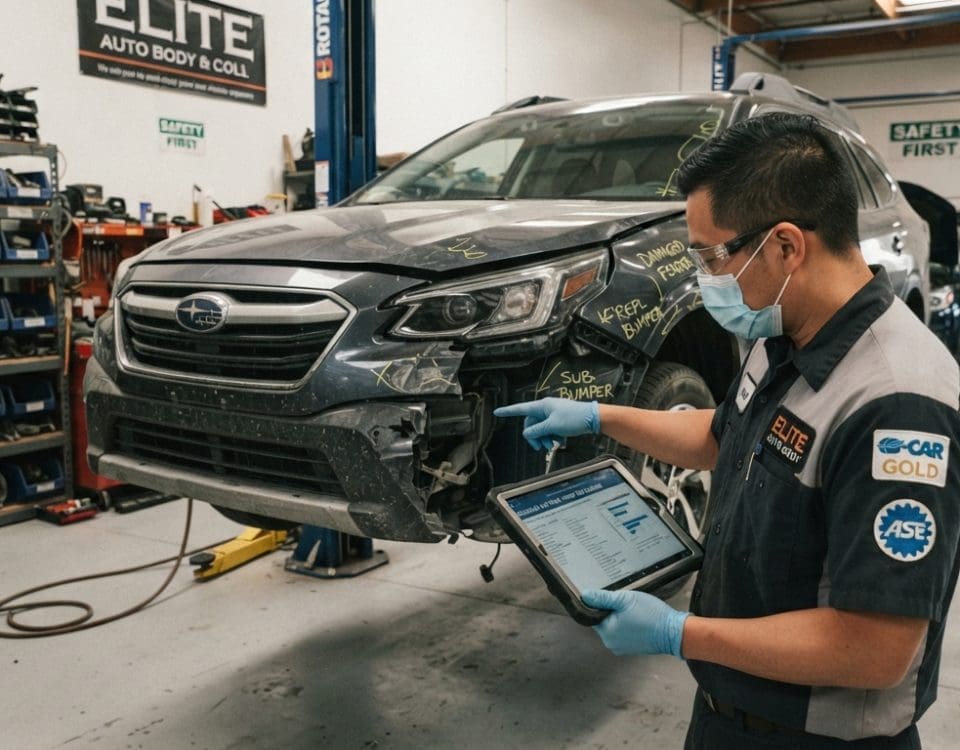
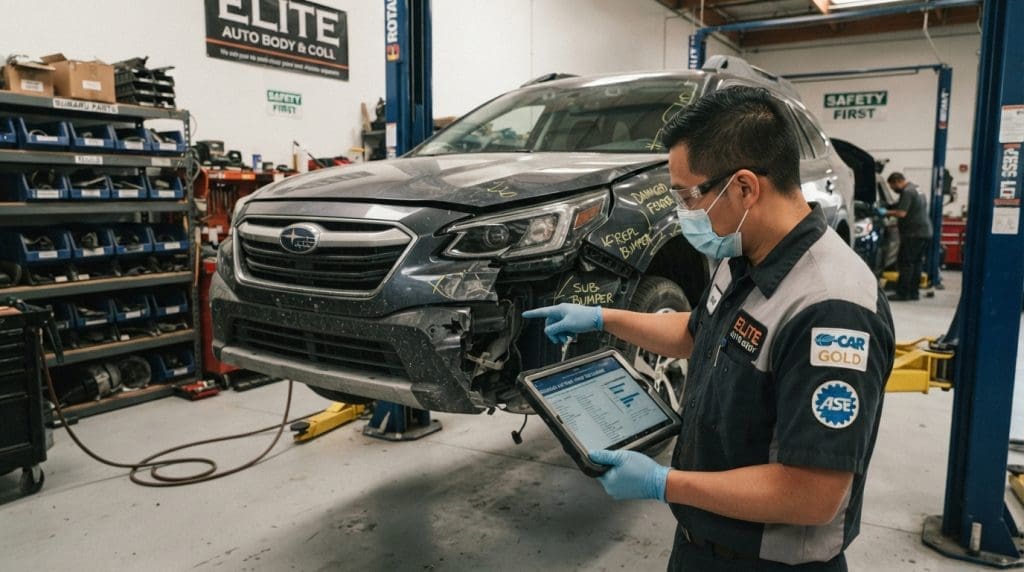
Why OEM Procedures Matter After A Collision

After a car crash, you might feel lost about what to do next. Many try to push you toward certain repair shops to save money. You deserve to know the truth about these common tactics.
Choosing where to fix your car is your right as a vehicle owner. Knowing how these systems work lets you control your car’s repair quality. Our expert insurance claim assistance guides you through this complex process with confidence.
By learning the hidden strategies of adjusters, you can avoid bad repairs. This guide helps you make smart choices that keep you safe and your car in good shape. Take charge of your repairs today by knowing your rights.
Key Takeaways
- You have the legal right to choose any repair shop for your vehicle.
- Providers often steer you toward shops that prioritize their bottom line over quality.
- Understanding industry tactics prevents you from accepting subpar repair work.
- Professional guidance helps you navigate the recovery process effectively.
- Prioritize your safety by selecting a facility that uses original manufacturer parts.
Understanding Insurance Claims and Body Shops
After a car crash, knowing how insurance and repair shops work is key. Insurance claims aim to fix your car like it was before the accident. But, insurers often look out for their money more than your car’s fix. Getting insurance claim assistance can help you control the repair quality.
The Mechanics of the Claims Process
The claims process checks damage and figures out repair costs. But, insurers try to spend less on each claim. This can mean using cheaper parts instead of the original ones.
Stay alert to avoid safety risks from cheaper fixes. Quality should always come first, not the cheapest price. If you’re unsure, insurance claim assistance can help you get the right repairs for your car.
How Body Shops Fit into Your Claim
Insurance companies use Direct Repair Programs (DRPs) to save money. These programs link them with shops that follow set prices and repair rules. While it’s convenient, it might not be best for you as a car owner.
When picking a repair shop, think about these points for the best service:
- Repair Quality: Does the shop use OEM parts and follow factory repair methods?
- Transparency: Are they open about the repair plan and listen to your worries?
- Independence: Will the shop stand up for you if the insurance offer is too low?
Knowing these points helps you feel more confident in the repair process. With insurance claim assistance, your car gets fixed by experts who care about your safety and happiness, not just saving money.
The Importance of Insurance Claim Assistance
Getting insurance claim assistance is a wise choice after an accident. Dealing with the stress of a crash is hard enough. You don’t need to fight with your insurance company too. An expert can protect your rights and guide you through repairs.
Why You Need Help Navigating Claims
Insurance companies might focus on saving money over fixing your car right. Without help, you could face low estimates or cheap parts. This can harm your car’s safety and value.
An advocate can spot these problems early. They make sure your car gets the high-quality repairs it needs. This keeps you safe and preserves your car’s value. With their help, you avoid bad repairs.
Common Challenges with Insurance Claims
The claims process is full of confusing terms and strict rules. Many people face delays, denied claims, or pressure to use certain shops. This can make you feel powerless when you need help most.
Good insurance claim assistance helps you meet the insurer’s needs. It gives you the confidence to stand up for your rights. See how help changes your claim’s outcome in the table below.
| Feature | DIY Approach | Professional Assistance |
|---|---|---|
| Repair Estimates | Often undervalued | Accurate and complete |
| Part Quality | Risk of aftermarket parts | Focus on OEM standards |
| Communication | Stressful and slow | Efficient and expert-led |
| Claim Outcome | Higher out-of-pocket risk | Maximized coverage |
Choosing the Right Body Shop for Your Repairs
Your choice of body shop affects your car’s safety and long-term value. Insurance companies might suggest places, but you can pick where your car gets fixed. Getting insurance claim help helps you make a choice that puts your safety first, not just the insurer’s profits.
Factors to Consider When Selecting a Shop
Look for shops that follow OEM-approved repair procedures. These ensure your car is fixed to its original factory standards. A good shop will be open about their methods and show you all the work done.
Make sure the technicians are certified by I-CAR or ASE. This shows they know how to work on today’s cars and do complex repairs. Always ask if they use genuine parts, as fake ones might not be as safe.
The Value of Quality Repairs vs. Price
It’s tempting to pick the cheapest option, but it’s not always the best. Quality repairs keep your car safe and sound. Cheap fixes can lead to bigger problems that risk your safety.
Choosing a top-notch repair shop is a smart investment. It keeps your car running well and gives you peace of mind. If you’re unsure, getting insurance claim help can guide you and protect your rights. Quality repairs are worth it for your car’s future.
| Repair Feature | Quality Shop | Budget Shop |
|---|---|---|
| Parts Used | OEM Certified | Aftermarket/Used |
| Technician Training | Advanced Certification | Basic Experience |
| Safety Focus | Strict OEM Standards | Cost Reduction |
| Warranty | Lifetime Guarantee | Limited Coverage |
Miracle Body and Paint Collision Center Overview

At Miracle Body and Paint Collision Center, we aim to make your vehicle look new again. Our team is here to help with reliable repairs and insurance claim help after an accident.
Services Offered at Miracle Body and Paint
We offer a wide range of repair services. From small dings to big damage, our techs use the latest tools to fix your car. They make sure it’s in perfect condition before it hits the road again.
Our main services include frame alignment, color matching, and paint jobs. We pay attention to every detail to ensure your car is safe and looks great.
Why You Should Trust Us with Your Vehicle
Finding the right shop is more than just about fixing your car. It’s about finding a team that cares about your safety. We’re all about transparency and quality, giving you the best insurance claim help every step of the way.
Choosing us means you’re getting a team that values your car’s safety above all. We take the stress of dealing with insurance off your hands. Your peace of mind is our main goal from the moment you arrive.
Insurance Relationships with Body Shops
Many drivers don’t know their insurance might pick where to fix their car. These partnerships can affect how repairs go and your experience after an accident. Getting insurance claim help early helps you control your car’s repair.
Direct Repair Programs Explained
Insurance companies use Direct Repair Programs (DRPs) to manage repairs. These programs are like in-network providers in healthcare. Insurers send work to certain shops to make repairs faster and cheaper.
These shops follow strict rules set by the insurer for referrals. But, remember, their main deal is with the insurer, not you. Getting insurance claim help helps you decide if a DRP shop is right for you.
How Partnerships Can Affect Your Claim
DRP shops must follow the insurer’s repair rules. These rules often mean using cheaper parts over original ones. This might limit the best repair methods for your car.
Using cheaper parts can lead to compromised repairs. You can ask about parts and methods. Always get insurance claim help to protect your safety and car’s value.
Understanding Out-of-Pocket Costs
Dealing with car repair costs after a crash can be tough. Many worry about extra fees when getting their car fixed. But, usually, you only pay your deductible if you file a valid insurance claim for accident repair.
What You Might Be Responsible For
Most of the time, you’ll only have to pay your insurance policy’s deductible. This is the amount you agree to pay before your insurance covers the rest. It’s important to check your policy documents to know your deductible before repairs start.
There might be extra costs for “betterment” or parts not covered by your policy. If new parts are used instead of old ones, you might have to pay the difference. Always ask your service advisor about any charges not covered by your policy.
Tips for Managing Unexpected Expenses
Good communication can help avoid unexpected bills during accident repair. Keep a detailed record of talks with your insurance adjuster and the body shop. Having copies of your initial estimate and any extra repair authorizations helps track your costs.
Picking a reputable shop that works well with your insurance can make billing easier. When the shop and insurer work well together, they can often solve payment issues without bothering you. Here’s a table to show how different repair situations might affect your wallet.
| Expense Category | Who Pays | Notes |
|---|---|---|
| Standard Deductible | Policyholder | Fixed amount per policy |
| Necessary Repairs | Insurance Company | Covers damage from accident |
| Betterment Charges | Policyholder | Applies to wear-and-tear parts |
| Rental Car Fees | Varies | Depends on your specific coverage |
The Importance of Documentation
When you face an accident repair, your paperwork is your strongest defense. Many drivers don’t realize how important it is to keep a record of all interactions with their insurance and the repair shop.
Having a clear paper trail helps you stay in control. It gives you the power to argue if there’s a disagreement about the work done on your vehicle.
Why Documentation is Key to Your Claim
Documentation is your primary evidence. If an insurance adjuster questions the cost of parts or labor, your records will show what was agreed upon.
Without these documents, you’re left with just verbal promises. Written proof is much stronger when you need to fight a claim or dispute a denial. It keeps everyone honest throughout the accident repair process.
Essential Paperwork You Should Keep
Organize your files with every document related to fixing your vehicle. Start with the initial estimate from the shop. This sets the standard for the work expected.
Also, save all final invoices, signed repair orders, and emails with your adjuster. These are key to proving the work was done right and as planned.
| Document Type | Purpose | Retention Period |
|---|---|---|
| Initial Estimate | Baseline for repairs | Until claim closure |
| Repair Order | Scope of work | Lifetime of vehicle |
| Final Invoice | Proof of payment | Lifetime of vehicle |
| Adjuster Emails | Communication log | Until claim closure |
By keeping these records, you protect your investment and make the accident repair process smoother. Consistency is your best ally in dealing with insurance claims.
The Repair Process Explained

Fixing a damaged car is a detailed process. When you bring your car in for accident repair, a series of steps starts. These steps ensure your safety and satisfaction. Knowing this process helps you plan your time and what to expect while your car is being fixed.
Typical Timeline for Collision Repairs
The first step is a thorough damage assessment and teardown. Technicians remove damaged parts to find hidden problems. This is key for a correct estimate and getting the right parts.
After parts arrive, the repair team starts fixing the frame and body. They make sure everything is back to factory standards. Then, the car goes to the paint shop for color matching and finishing. The last step is a quality check to ensure everything is safe and right.
| Repair Stage | Primary Focus | Estimated Duration |
|---|---|---|
| Teardown & Assessment | Identifying hidden damage | 1-2 Days |
| Parts Procurement | Sourcing quality components | 3-7 Days |
| Structural & Paint | Restoring form and finish | 5-10 Days |
| Final Inspection | Safety and quality check | 1 Day |
What to Expect After Your Repair Appointment
After the accident repair is done, you’ll do a final check with your service advisor. This is your chance to see the work and ask any questions. We want you to be completely confident in your car’s safety and look before you leave.
Then, you’ll finish the paperwork and insurance details. Good shops offer a warranty on their work and parts. Keep all your papers safe, as they prove your car was well taken care of.
Your Rights as a Policyholder
Knowing your consumer rights is key after an accident. Many drivers feel pressured by their insurance. But, you don’t have to accept their repair shop choice. You have the right to choose what’s best for your vehicle’s safety and value.
Understanding Your Coverage Options
In all 50 states, you have the legal right to pick your repair shop. Insurance companies might suggest shops, but they can’t make you choose. Picking a trusted shop means your vehicle gets the quality it needs.
Check your policy to know your coverage and deductibles. This knowledge helps you stand up for yourself during repairs. Using your consumer rights ensures your vehicle is fixed right.
Navigating Denials and Appeals
If an insurer tries to deny a claim or use low-quality parts, you can fight back. First, ask for a written reason for any denial. Then, gather evidence like estimates or photos to support your appeal.
Being persistent is important in insurance disputes. If your consumer rights are ignored, reach out to your state’s insurance commissioner. Keeping records of all talks will help your appeal.
| Policyholder Right | Common Insurer Tactic | Your Best Action |
|---|---|---|
| Choose any repair shop | Steering to a partner shop | Insist on your preferred shop |
| Use OEM parts | Suggesting aftermarket parts | Request original manufacturer parts |
| Fair claim settlement | Denying necessary repairs | File a formal written appeal |
| Transparent estimates | Providing vague cost data | Demand a detailed itemized list |
Dealing with Insurance Adjusters
Meeting with an insurance adjuster is a key part of your claim. You have consumer rights that help you. Being ready and knowing your stuff helps you fight for your car.
What to Expect During an Adjuster Visit
When the adjuster comes to check your car, they will look at it to figure out how much it will cost to fix. They might try to pay less, so being there is very important. They will take pictures of the damage they can see, but might miss hidden problems.
Remember, you don’t have to use the insurance company’s body shop. You can choose any shop you want that makes sure your car is safe and fixed right. If the adjuster suggests a shop, you can say no and pick another one.
How to Prepare for Your Meeting
Getting ready is your best way to deal with unfair estimates. By having the right info, you make sure the adjuster knows all about the damage. Here are some steps to help you:
- Document everything: Take clear photos of the damage from different sides before the meeting.
- Keep records: Keep a folder of all your talks, including emails and phone call notes.
- Be present: Try not to leave your car during the check if you can help it.
- Ask questions: If the adjuster says no to a repair, ask them to write down why.
Being strong and informed helps protect your consumer rights and makes sure your car gets the best care. Being confident can make the repair process easier. Always put your safety first, not what the insurance company wants.
Evaluating Damage and Estimating Costs
You deserve a clear and detailed look at your vehicle’s damage to keep you safe on the road. When you take your car to a repair shop, the first estimate is key. It outlines how your car will be fixed. Knowing your consumer rights lets you ask for a full check, not just for scratches.
How Body Shops Assess Vehicle Damage
A pro repair shop starts with a visual check, but that’s not enough. To really protect your consumer rights, they should take apart the damaged parts. This lets them see hidden damage that’s not visible at first glance.
Spotting these hidden problems early means no repairs are left out. Hidden damage is common in today’s cars, where small issues can affect big systems. A good check-up avoids extra claims later, saving time on repairs.
Importance of Accurate Estimates
Getting your estimate right is key to safe and reliable repairs. A bad estimate can leave your car not fixed right. Accuracy is vital because it affects your car’s value and safety.
Some shops might try to save money by skipping small parts. But this can be risky. Always check your estimate to make sure everything is included. Keeping high standards in your estimate is important for your consumer rights during the insurance claim.
| Feature | Superficial Estimate | Thorough Assessment |
|---|---|---|
| Teardown Process | None | Full disassembly |
| Hidden Damage | Often missed | Fully identified |
| Repair Quality | Risk of failure | Factory standards |
| Long-term Value | Decreased | Maintained |
Customer Reviews and Testimonials
Finding the right collision center can be tough. But, you don’t have to do it alone. Looking at what others say can help you know what to expect. This is key to getting the service you deserve.
Learning from Others’ Experiences
When you read reviews, look for common themes. People often talk about how the shop communicated and the car’s final state. Shops that get consistent praise usually care about being open and honest.
It’s also important to see how the shop handles unexpected issues. A shop that keeps you updated is one that values your time and rights. This is true during the whole claim process.
How Reviews Impact Your Choice of Body Shop
Choosing a body shop should be based on their track record. Reviews help you find shops that focus on safety and quality over cheap fixes. A shop with a good reputation means your car is in good hands.
It’s key to tell the difference between a helpful review and a biased one. Use the table below to judge the quality of online feedback.
| Review Indicator | Positive Sign | Warning Sign |
|---|---|---|
| Detail Level | Specific repair descriptions | Vague or emotional rants |
| Communication | Regular status updates | Difficult to reach staff |
| Policy Adherence | Respects consumer rights | Ignores your preferences |
| Final Outcome | Vehicle restored to safety | Recurring mechanical issues |
FAQs About Insurance Claims and Body Shops
Auto repairs can seem scary, but knowing your consumer rights helps a lot. Many people are unsure about the process. But, having the right information lets you make smart choices.
Understanding how things work can protect your car and save you money.
Common Questions Addressed
Many wonder if they must use an insurance company’s preferred shop. You have the legal right to pick any repair shop you want. Insurance companies might suggest places, but they can’t make you go there.
Another big worry is how long repairs will take. Shops give estimates, but sometimes more damage is found when they start working. This can make repairs take longer. But, talking openly with your shop can help manage these delays.
| Common Myth | The Reality | Your Action |
|---|---|---|
| Must use insurer’s shop | You choose the shop | Research local experts |
| One estimate is enough | Multiple quotes help | Compare repair plans |
| Insurance dictates parts | Quality varies by policy | Ask for OEM parts |
Resources for Further Information
If you think your consumer rights are being ignored, there are places to help. Your state’s Department of Insurance is a good place to start. They can help with complaints and explain your rights under state law.
National consumer protection agencies also offer help. They have tools to check repair shops and insurance practices. Always keep your policy and all claim-related documents safe. Being organized helps a lot in fixing your car.
Local Regulations Impacting Body Shops
After a car crash, knowing your rights is key. State laws let you choose where to get your car fixed. These laws protect you from insurance companies pushing for cheaper repairs.
Understanding State-Specific Laws
Insurance companies might try to send you to their preferred shops to save money. But you can say no and pick a shop that cares about your safety. Knowing these laws helps you avoid bad repair deals.
How Regulations Affect Your Repair Process
Following these laws means your car gets fixed right. You should get quality parts and skilled work. This way, your car will be as good as new.
If you need help, contact Miracle Body and Paint Collision Center. Our team will guide you through these rules. Visit us at 6217 Grissom Rd., San Antonio, TX 78238, or call (210) 680-1987. For our North East San Antonio shop, call (210) 858-3630. We’re here to fix your car right.