Step-by-Step: Filing a Collision Insurance Claim

What Should a Body Shop Repair Warranty Cover?

When you face a minor collision, you may wonder if a formal record is required. If you search for “car accident without police report,” you will find mixed guidance, because rules vary by state and by the scene.
You should first make sure everyone is safe and exchange information. Then decide if an officer needs to come to the scene based on injuries, damage, or local rules.
A written police report can make filing a claim and talking with your insurer easier. If an officer does not attend, document the scene yourself with photos, notes, and contact details to support any later claim.
Key Takeaways
- Check local laws to know when an officer must respond.
- Prioritize safety and gather evidence at the scene.
- A police report is helpful but not always required.
- Document photos and witness info to back a future claim.
- Contact your local department if you are unsure about filing a report.
Understanding Legal Requirements for Accident Reporting
Start by knowing the legal thresholds in your state so you can act correctly after a collision. State laws set when you must file a formal report and when you can rely on driver-collected details.
State Reporting Laws
Georgia example: Under Georgia Section 40-6-273, you must report any crash that causes at least $500 in property damage, injury, or death. That rule affects whether a police report is required and how an insurance claim proceeds.
- Why it matters: Failing to report a qualifying crash can complicate an accident claim and risk legal penalties.
- Evidence: A neutral police report strengthens your insurance claim and provides a third-party account of fault and damage.
When Law Enforcement May Not Respond
Law enforcement often prioritizes serious incidents. Minor collisions on private property, like parking lots or driveways, may not get an officer on scene.
| Scene Type | Officer Response | Driver Action |
|---|---|---|
| Public road, injuries present | High—officers usually respond | Call law enforcement and seek medical help |
| Public road, minor damage | Variable—may be delayed | Document scene, exchange information |
| Private property (parking lot) | Low—officers may not file a formal report | Gather photos, witness info, and file an insurance claim |
Why You Might Face a Car Accident Without Police Report
Local thresholds and scene conditions often determine whether officers file an official document. In states like Alabama, a minor incident can be as low as $250 in damage. Other states, such as Oregon, set the bar much higher—around $2,500.
If law enforcement does not appear, you become your own advocate. Collect names, contact information, and insurance details from other drivers before you leave. Take clear photos of vehicle damage, the surroundings, and any skid marks.
Handling a claim without police involvement means you must build your case with personal evidence. That may include witness statements, time-stamped photos, and a prompt insurance claim submission.
- Some drivers avoid calling an officer to prevent premium increases.
- If you lack a police record, a lawyer can help gather alternate evidence and preserve compensation options.
- Always tell your insurer about the incident promptly, even if you plan a claim without officer documentation.
Assessing the Scene for Potential Injuries and Damage

Pause and assess the people and surroundings so you can spot injuries that may not be obvious. Some symptoms, like whiplash or soft‑tissue pain, can appear only after several hours or days.
Prioritize health: seek medical attention even if you feel fine. A prompt exam helps your healing and strengthens any future personal injury case.
Hidden Damage and Delayed Symptoms
Even a minor collision can cause unseen frame or suspension damage to your vehicle. That hidden harm may make driving unsafe and raise repair costs later.
If officers do not create an official record, take time-stamped photos of all property damage and the surroundings. Those images serve as evidence when you file an insurance claim or consult an attorney.
- Check everyone for cuts, dizziness, or numbness and note when symptoms start.
- Document vehicle positions, contact points, and damage from multiple angles.
- Call law enforcement if injuries exist or hazards remain at the scene.
- Have a professional inspect suspected structural damage before driving again.
Essential Evidence to Collect at the Crash Site
Collecting clear evidence at the scene makes any later claim far stronger. Start by noting the exact time, location, and conditions. These basic facts help your case when law enforcement or an insurer reviews the file.
Documenting Vehicle Damage
Photograph all damage from several angles. Capture wide shots that show vehicle positions and close-ups of contact points. Record the other driver’s full name, driver license number, and insurance details to support your insurance claim.
Capturing Environmental Factors
Use your phone to record road, weather, lighting, and property conditions. Note skid marks, signage, and nearby hazards. These details help explain fault and the sequence of events for a future report.
Using Dashcam Footage
If you have dashcam video, save and back it up immediately. Time-stamped footage is persuasive when officers do not file a formal report. Also collect witness names and statements to strengthen the evidence you submit with your claim.
- Tip: Write quick notes about what you saw and keep copies of photos and videos for your case.
Communicating with the Other Driver and Witnesses
Keep your voice steady and focus on collecting the essential details from other drivers and any witnesses.
Exchange basic facts only. Politely ask for a name, driver license, and insurance information to prepare an insurance claim. Limit your talk about fault; statements can be used later in a formal report or by an insurer.
If bystanders saw what happened, request their contact info and a brief account. Witness statements are powerful evidence when no officer files a scene document.
If someone refuses to cooperate, note the vehicle description and plate number. Record the time and road conditions as soon as you can. Those details help your case and make follow-up with law enforcement or your insurer easier.
- Be polite but firm when requesting information.
- Avoid arguing about blame; stick to facts and observations.
- Save photos and time-stamped notes immediately.
| Info to Collect | Why It Matters | How to Record |
|---|---|---|
| Name & driver license | Confirms identity for a claim | Take a photo or write details |
| Insurance & contact | Needed to file an insurance claim | Screenshot or note company and policy |
| Witness contacts & statements | Provides independent evidence | Record audio or short written notes |
| Time, road, and weather | Explains conditions that affected the crash | Take photos with timestamps |
Navigating Insurance Claims Without an Official Report
A well-documented file of photos, timestamps, and statements often replaces an official scene record. Start by organizing your images and witness contacts into one folder and save any dashcam or phone video right away.
When you file an insurance claim, provide your insurer with those photos, a clear timeline, and the names and contact details of witnesses. Keep a written log of every call and message about the claim.
- Submit all evidence early so adjusters can verify details.
- Be ready to explain fault, conditions, and any property or injury damage.
- If an insurer questions your file, a lawyer can help present the case and press for fair compensation.
| What to Send | Why It Matters | How to Record |
|---|---|---|
| Photos & video | Shows damage and sequence | Time-stamped files |
| Witness info | Independent verification | Names, phones, short statements |
| Communication log | Tracks insurer responses | Dates, times, summaries |
For guidance on handling an insurance claim after a collision, see navigating auto insurance claims. Stay organized and persistent—your records are the key to a successful claim.
When You Should Consult a Legal Professional
Seeking a free consultation is a smart step if the other driver denies responsibility or your insurer questions damages.
If you have serious injuries or mounting medical bills, contact a lawyer to protect your claim and health record.
A legal professional can gather evidence, preserve witnesses, and advise on the best path to compensation.
If fault is disputed or you lack a clear police report, an attorney can assemble alternate proof like photos, dashcam video, and witness statements.
- Get a free consultation when you cannot prove fault after a crash.
- Seek lawyer help if the insurer delays or denies a fair settlement.
- Consider counsel when injuries are serious or future care is uncertain.
| Situation | Why Consult | What a Lawyer Does |
|---|---|---|
| Disputed fault | Insurer challenges your version | Collects evidence and negotiates |
| Serious injuries | High medical costs and future care | Estimates damages and pursues compensation |
| No official scene record | Needed to support a claim without police report | Builds case from photos, witness accounts, and expert reports |
If you feel overwhelmed, a free consultation will clarify your rights and next steps. Keep copies of all information and contact your attorney early to strengthen your case.
The Importance of Professional Vehicle Inspection
Have a qualified technician inspect your vehicle as soon as possible. Visible dents can hide frame, suspension, or alignment damage that affects safety.
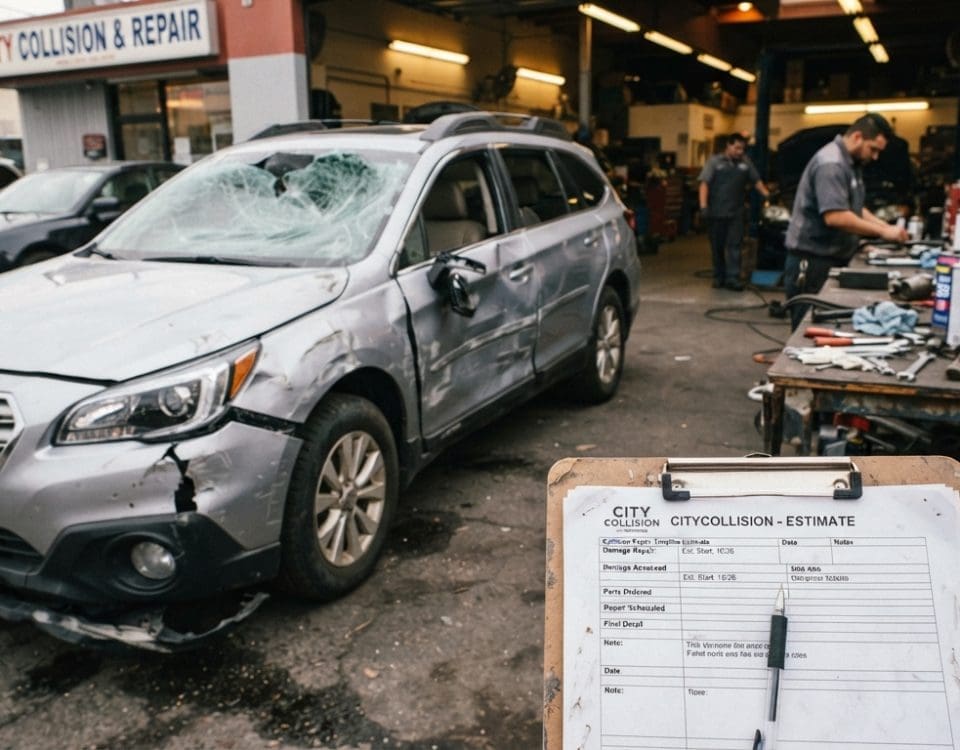
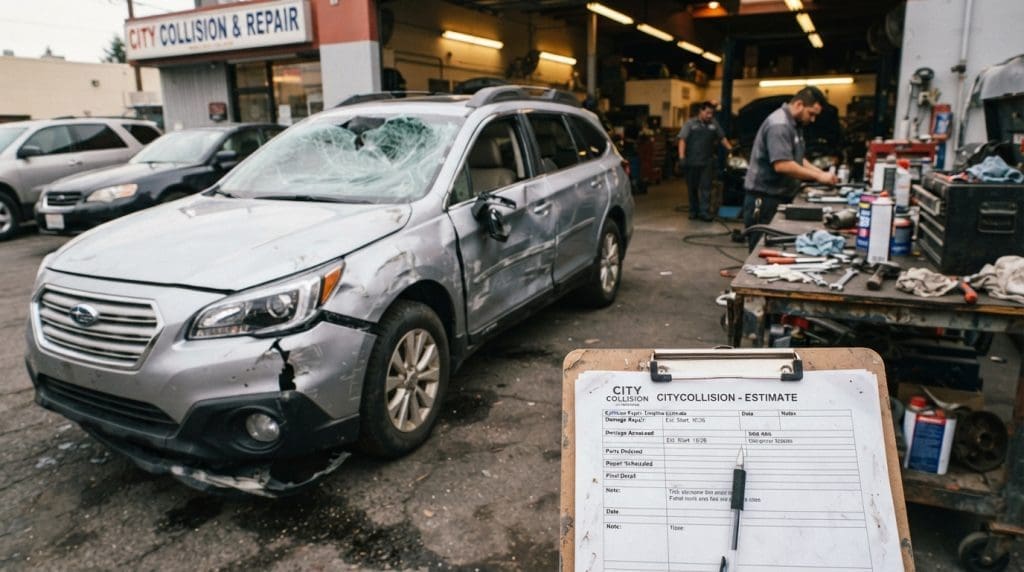
A shop inspection creates formal documentation that supports your insurance claim if you lack a police report. A detailed repair estimate shows mechanical damage and the scope of repairs.
If a police officer did not file a scene report, this repair estimate becomes critical evidence. Techs can note issues a quick photo won’t catch, like bent mounts, radiator leaks, or airbag sensor faults.
Choose a reputable, certified repair facility so information and details are reliable for adjusters. Keep all invoices, inspection notes, and photos in one folder for your claim.
- Get a safety clearance from a qualified technician before driving again.
- Request a written estimate that itemizes damage and needed repairs.
- Keep copies of all inspection documents to support future disputes.
How to Protect Your Rights After a Collision

When an officer is not present, your notes and photos become the official record. Start by recording time, location, and visible damage. Take wide and close shots, and capture any road signs or signals.
Seek medical care immediately if you have a personal injury or suspect delayed symptoms. A prompt exam documents injuries and supports insurance and legal claims.
Tell your insurer the facts, but do not admit fault at the scene. Keep copies of all communications, estimates, and medical bills. If you feel uncertain, get a free consultation for lawyer help to review your claim without police involvement.
- Collect witness names and contact info.
- Save dashcam or phone video with time stamps.
- Keep repair estimates and receipts for damage.
| Action | Why It Helps | What to Record |
|---|---|---|
| Photograph scene | Shows positions and impact | Wide shots, close-ups, timestamps |
| Get medical exam | Documents injuries for claims | Visit notes, imaging, bills |
| Save witness contact | Independent support for fault | Name, phone, short statement |
| Consult a lawyer | Protects legal rights and compensation | Free consultation notes, attorney contact |
Conclusion
Wrap up by keeping your evidence organized and your next steps clear. Preserve photos, witness contacts, repair estimates, and medical notes to support any car accident claim.
Act quickly: file an insurance claim, seek medical care, and contact a lawyer if fault or compensation is disputed. A free consultation can clarify your options and next steps.
Need repairs? Hire Miracle Body and Paint Collision Center to fix your collision repair damage on your vehicle. Two locations to serve you: North West San Antonio – Leon Valley (210) 680-1987, 6217 Grissom Rd., San Antonio, TX 78238; North East San Antonio (210) 858-3630, 4650 Walzem Rd, San Antonio, TX 78218.