

How Frame Straightening Machines Restore Structural Safety

My Car Was Hit and I Don’t Know Who Did It — Now What?
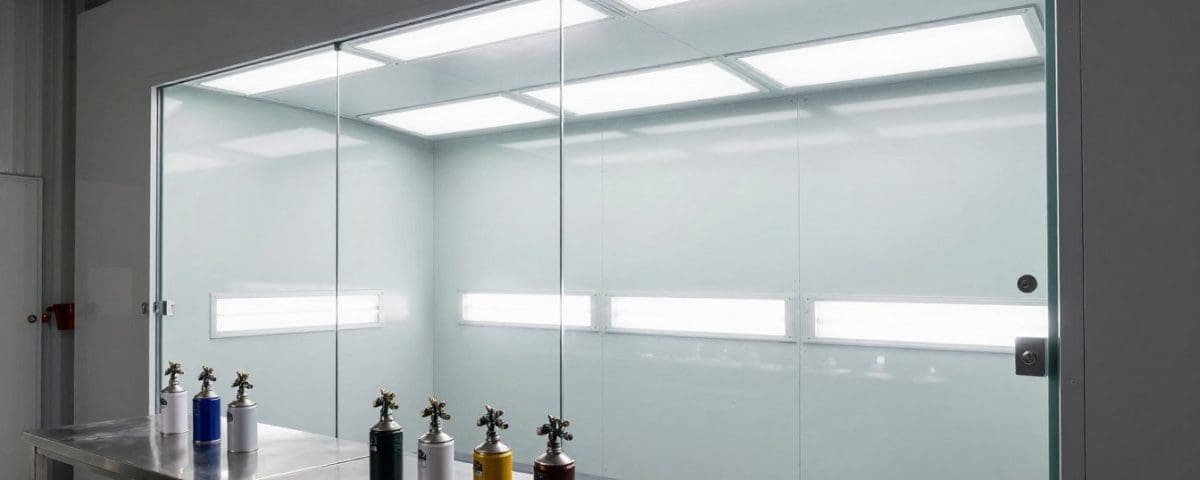
Your repair quality starts with the right environment. When you bring a damaged vehicle in, a professional paint booth gives technicians the control needed to deliver a factory-grade finish. Clean airflow, proper ventilation, and controlled temperature all limit dust and overspray that can ruin the final look.
Good design matters. Modern spray booths capture stray particles and manage humidity so coatings adhere well to metal parts and new components. This careful control helps you avoid costly rework and keeps work aligned with industry standards and regulations.
Whether your vehicle is for automotive or aerospace use, the right setup and routine maintenance boost performance across the entire workflow. Different types of booths and equipment match specific applications, so your repair receives the proper care from prep to final finish.
Key Takeaways
- Controlled environment prevents dust and overspray from harming the finish.
- Ventilation and temperature control are critical for proper adhesion.
- Modern spray booths meet safety standards and environmental regulations.
- Maintenance and the right equipment keep performance consistent.
- Different booth designs support varied workflows and industries.
Understanding the Role of Paint Booth Technology
Advanced finishing systems let technicians apply coatings with repeatable precision and safety.
You rely on controlled enclosures to deliver consistent results. Modern systems manage air and airflow so dust and overspray stay out of the work zone.
Major OEMs like Toyota, Honda, and Nissan use solutions from Taikisha USA to ensure repeatable quality across high-volume lines. Those same principles guide collision shops that need factory-grade finishes.
Different types of booths serve specific applications. Some are tuned for complex automotive panels, while others handle sensitive aerospace components. Choosing the right type impacts your finish and safety.
- Controls for airflow and air quality reduce defects.
- Integrated systems help shops meet safety and environmental rules.
- Regular cleaning protects technicians and keeps results consistent.
| Feature | Benefit | Typical Application |
|---|---|---|
| Airflow control | Fewer contaminants, smoother finish | Automotive body panels |
| Filtration stages | Captures overspray and particles | Collision repair shops |
| Curing and temperature systems | Consistent adhesion and drying | OEM production lines |
Core Components of Modern Spray Booths
The right structural elements make curing predictable and reduce the chance of costly rework. Modern designs combine construction, air handling, and inspection systems to give you a controlled finishing area that performs in manufacturing settings and collision repair shops.
Wall Construction
Durable panels matter. Dual-skin wall panels retain heat during the curing process and improve overall energy efficiency. This helps you keep temperatures stable and reduces energy costs over time.
Intake Plenums
Intake plenums distribute filtered air evenly across the workspace. Taikisha USA installs roll-type filters in the intake plenum to keep the work area pressurized and provide an even downdraft for consistent spray results.
- High-quality filtration and lighting let you inspect each part with clarity.
- Advanced booth systems capture overspray to protect the surrounding manufacturing floor.
- Robust equipment and thoughtful design maintain safety and durability for long-term use.
| Component | Function | Benefit |
|---|---|---|
| Dual-skin wall panels | Insulation and structural support | Better energy efficiency and stable curing |
| Intake plenum with roll filters | Even downdraft and pressurization | Smoother spray finish and fewer defects |
| Integrated lighting & filters | Inspection and contamination control | Improved color matching and reduced rework |
How Airflow Management Impacts Your Finish
Stable airflow is the invisible tool that keeps contaminants away and finishes consistent. You depend on steady air movement to stop dust from settling on fresh paint and to lower the risk of surface defects.
Control of temperature and humidity keeps the curing process predictable. When those variables stay within range, the painting process remains stable and the final finish meets your standards.
- Effective airflow prevents dust and contaminants from landing on fresh surfaces.
- Consistent circulation reduces overspray buildup and keeps the environment safe.
- Precise systems improve overall performance and cut energy use during curing.
Advanced paint booth technology lets you tune air paths so coatings cure uniformly. That control protects the chemical makeup of coatings and helps you achieve a factory-grade quality with every spray.
The Importance of Filtration Systems

Clean air starts with the right filters, and that clarity means fewer defects on every part. Filtration systems are the core line of defense in modern paint booths. They trap overspray and airborne debris so your finishes stay flawless.
Capturing Overspray and Contaminants
Exhaust filters often sit in the rear plenum or within side downdraft sections. That placement stops paint particles before air leaves the workspace.
High-efficiency filters meet environmental requirements and support workplace safety. Proper ventilation and routine filter maintenance prevent hazardous vapors from building up.
- Filtration systems remove dust and debris to protect parts and finishes.
- Advanced filters extend fan life by capturing particles before they reach exhaust fans.
- Regular filter checks ensure airflow and systems run at peak efficiency.
When you maintain filters and ventilation, your spray operations stay productive and compliant. That attention reduces rework and keeps booths performing to design requirements.
Temperature and Humidity Control
When you lock in the correct temperature and humidity, coatings cure predictably every time.
Precise temperature control is essential. Specialized equipment in many paint booths raises temperatures to 140–158 °F (60–70 °C). That heat helps the coating reach full hardness and protective properties.
Humidity control matters just as much. Too much moisture causes blushing and poor adhesion. Too little can speed solvents too fast and weaken the finish.
Modern systems combine air handling and heating to keep conditions stable. This prevents common defects and keeps your spray work consistent, no matter the weather outside.
- Stable temperature ensures proper curing and longevity.
- Correct humidity prevents moisture-related finish flaws.
- Advanced air control equipment delivers factory-level quality for collision repairs.
Safety Standards and Regulatory Compliance
You need certified safety systems to reduce fire risk and keep your crew productive during spray operations. Compliance is more than paperwork; it keeps people safe and repairs on schedule.
Fire Suppression Systems
Automated suppression and explosion-proof ventilation are mandatory in many facilities. Fire systems must be sized to the enclosure and tied into alarm controls.
Electrical Standards
All electrical equipment inside a paint booth must meet UL listings and follow NFPA codes. That lowers the chance of sparks near flammable residues or overspray.
Ventilation Requirements
Mechanical ventilation systems must manage combustible vapors and keep air moving to safe levels. Regular checks of airflow and filters preserve performance and meet federal and local regulations.
- Adhering to NFPA-approved design standards is mandatory for professional booths.
- Fire suppression plus explosion-proof ventilation protect against vapor ignition.
- Routine maintenance of filters and airflow systems keeps you compliant and efficient.
| Requirement | Why it matters | Typical action |
|---|---|---|
| NFPA / UL electrical | Reduces spark risk | Use certified equipment and inspections |
| Mechanical ventilation | Controls vapors and dust | Install rated fans and monitor airflow |
| Fire suppression | Limits damage and injury | Automatic systems with alarms |
Different Types of Spray Booth Configurations
Choosing the right enclosure layout directly influences workflow, quality, and energy use in high-volume shops.
Downdraft models pull air from the ceiling and exhaust it through the floor or rear plenum. These designs reduce dust and overspray on horizontal surfaces and are common in the automotive industry. Taikisha USA builds high-performance downdraft systems used by major manufacturers for consistent, factory-grade finishes.
Cross-draft configurations move air across the work area from one side to the other. They use less energy for small applications but can trap more dust on certain panels. Side-draft and semi-downdraft variants balance cost and performance for specific workflows.
Key considerations include energy efficiency, filtration placement, and how airflow manages overspray. Proper maintenance of filters and fans keeps performance steady and helps you meet safety standards and regulations.
| Model | Best for | Advantage |
|---|---|---|
| Downdraft | Automotive & manufacturing | Superior overspray control, consistent finish |
| Cross-draft | Small parts & budget shops | Lower initial energy use, simpler layout |
| Side-draft | Mixed applications | Balanced airflow and maintenance access |
- Performance: Match the model to your application—automotive, aerospace, or industrial.
- Maintenance: Regular checks of filters and airflow preserve finish quality.
- Compliance: Good design helps meet energy and environmental regulations.
Why Professional Booths Outperform DIY Solutions

Professional finishing enclosures create repeatable conditions that DIY setups rarely match. When you want factory-level results, controlling dust, air, and temperature matters more than skill alone.
Compact models and full-sized walk-in options from manufacturers like Spray-Tech cover parts work and vehicle painting. Those models pair dedicated filtration and heating to cut defects and speed curing.
Achieving Factory-Grade Finishes
Using professional spray booths means you get consistent coverage on every panel. You also reduce the risk of uneven coats and contamination that DIY spaces commonly produce.
- Controlled environment: Removes dust and airborne contaminants that ruin finishes.
- Precision equipment: Spray systems deliver uniform coats across all parts.
- Complete coverage: Every area of the vehicle receives even application, not just visible surfaces.
- Operator safety: Advanced ventilation protects you from harmful vapors.
- Manufacturer-level quality: Investing in professional booths aligns repairs with OEM standards.
| Setup | Best for | Primary benefit |
|---|---|---|
| DIY | Small touch-ups | Low cost, high risk of contamination |
| Professional spray booths | Full vehicle repair | Consistent finish and better safety |
| Spray-Tech models | Parts & vehicles | Optimized airflow and reliable results |
Maintaining Booth Efficiency for Consistent Results
A scheduled maintenance plan protects your investment and improves results.
Keep checks simple and regular. Inspect filters, fans, and seals daily to protect airflow and filtration. Replace filters on a set schedule so overspray cannot build up and hamper performance.
Monitor ventilation and energy systems during curing. Stable temperature and clean air help you deliver repeatable quality on every painting job. When you care for components, you reduce rework and downtime.
- Log filter replacements and fan service dates to track equipment life.
- Clean intake grilles and visual inspection of seals before each shift.
- Test airflow and ventilation after major repairs or parts replacement.
| Check | Frequency | Benefit |
|---|---|---|
| Filters | Monthly or per run hours | Prevents clogs and overspray buildup |
| Fans & motors | Quarterly | Maintains airflow and performance |
| Ventilation & seals | Weekly | Preserves air quality and safety |
Consistent maintenance keeps your paint booths safe and efficient. That routine ensures the process stays predictable and customers get the high-quality finishes they expect.
Choosing the Right Facility for Your Collision Repair
Your repair outcome depends on the facility’s ability to control air, temperature, and contamination. You should pick a shop that uses modern paint booth technology and proven systems to protect your vehicle’s finish.
Look for clear evidence of quality: consistent airflow, high-efficiency filters, and controlled temperature during curing. These features reduce dust and overspray that cause rework.
Miracle Body and Paint Collision Center uses professional-grade paint booths and skilled technicians to meet industry standards for safety and performance.
- Verify that equipment meets regulations and maintenance records are current.
- Ask how the shop manages airflow and filter changes between jobs.
- Confirm they work to manufacturing and automotive standards for color match and finish.
| Facility Feature | What it protects | Why it matters |
|---|---|---|
| Controlled airflow | Fresh finish, fewer dust defects | Improves consistency and reduces rework |
| High-efficiency filters | Air quality and parts protection | Captures overspray and extends fan life |
| Temperature control | Coating cure and durability | Ensures predictable finish and longevity |
Hire Miracle Body and Paint Collision Center to fix your collision repair damage on your vehicle. 2 Locations to Serve You: North West San Antonio – Leon Valley: (210) 680-1987, 6217 Grissom Rd., San Antonio, TX 78238. North East San Antonio: (210) 858-3630, 4650 Walzem Rd, San Antonio, TX 78218.
The Impact of Advanced Lighting on Paint Quality
High-quality lighting turns a standard workspace into a precision inspection area. In your repair shop, proper illumination reveals tiny defects before curing starts. That saves time and reduces rework.
LED lighting offers consistent color rendering so you see the true hue and gloss of each panel. This helps your team match factory standards in the automotive and manufacturing world.
Good fixtures also improve visibility of surface texture on every part. When you pair LED systems with controlled air and filtration, the final finish is more predictable.
- Better inspection: high-intensity lighting makes dust nibs and runs obvious.
- Energy & safety: led lighting meets modern regulations and lowers operating costs.
- Precise results: consistent illumination supports accurate color match and finish checks across applications.
| Benefit | Why it matters | Typical application |
|---|---|---|
| High CRI LED fixtures | Shows true color and gloss | Automotive color matching |
| Even, shadow-free light | Reveals defects early | Parts inspection and repairs |
| Lower energy draw | Meets safety and efficiency regulations | Manufacturing and repair shops |
Conclusion
A professional finishing area gives your repair the consistent conditions needed for lasting results.
Investing in professional paint booths is the most effective way to secure a durable, high-quality finish after a collision. Choosing a facility that prioritizes safety and modern systems means fewer callbacks and better color match.
Proper maintenance and the use of modern spray booths keep results consistent. Learn more about color selection and matching at how to choose the right paint.
Hire Miracle Body and Paint Collision Center to restore your vehicle. North West San Antonio – Leon Valley: (210) 680-1987, 6217 Grissom Rd., San Antonio, TX 78238. North East San Antonio: (210) 858-3630, 4650 Walzem Rd, San Antonio, TX 78218.

