


Frame Repair in San Antonio: Why Structural Damage Should Never Be Ignored
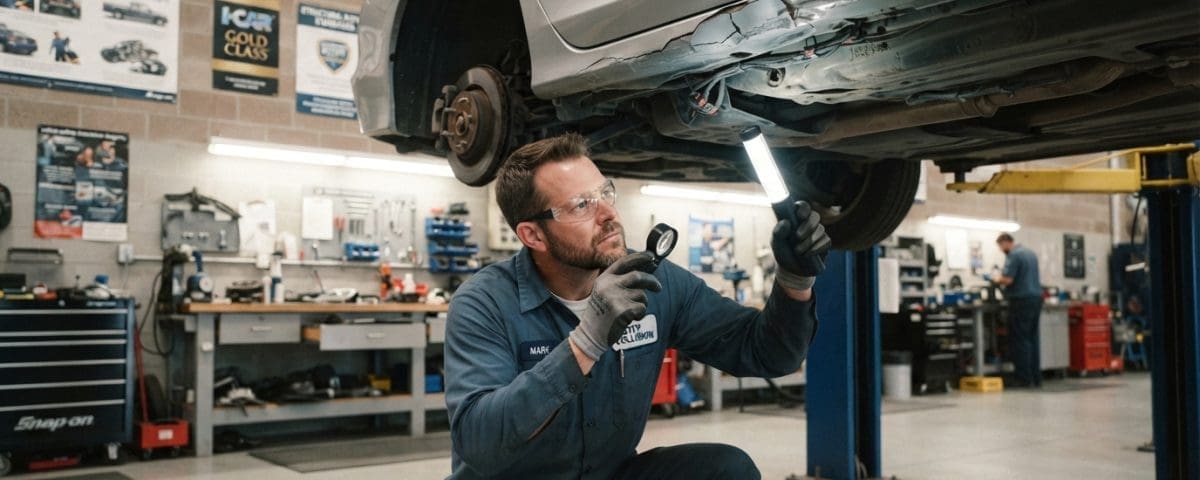
A car can look repaired while its hidden structure remains unchecked after a collision. For drivers, that gap matters because damage beneath exterior panels can change how the vehicle responds in another impact. Structural repair aims to restore the maker’s intended geometry, but it cannot promise a certain result in a future crash.
A crumple zone is an engineered area of a vehicle designed to deform in a collision and help manage impact forces. Correct work supports the intended position of these areas and related safety parts.
Miracle Body and Paint Collision Center is the San Antonio collision repair service featured here. Its team can assess hidden damage and plan work around vehicle requirements. The process starts by measuring what the collision changed and correcting what an inspection confirms.
Key Takeaways
- Damage beneath panels may affect the vehicle structure.
- Measurements help identify changes to structural alignment.
- Manufacturer procedures guide repair choices and methods.
- Visible clues can signal damage but cannot confirm its full extent.
- A written estimate helps you review repair needs and insurance terms.
How Does a Structural Repair Car Service Help Protect You?

Measurement and vehicle-specific procedures are central to structural repair. Accurate reference points help technicians find damage that exterior panels alone cannot reveal.
A professional auto body shop checks the frame or unibody against vehicle-specific dimensions. The goal is to restore the vehicle structure to the dimensions set for that model.
How Measurement Checks the Vehicle Structure
Electronic measuring tools compare structural reference points with manufacturer dimensions. Technicians may measure before, during, and after correction to track changes and confirm alignment.
This check helps reveal structural damage that a visual review of the outside may miss. A bent frame area or shifted unibody can affect integrity even when panels look close to normal.
| Repair stage | What happens | What it checks |
|---|---|---|
| Initial measurement | Compare reference points with manufacturer dimensions | Identify deviations |
| Structural correction | Straighten or repair the affected area as vehicle-specific procedures direct | Restore intended dimensions |
| Final measurement | Recheck reference points after correction | Confirm alignment against manufacturer dimensions |
Why Manufacturer Procedures Matter
Manufacturer procedures guide what to repair or replace, how parts may be joined, and how materials must be handled. They may call for MIG welding, resistance spot welding, rivet bonding, or structural adhesives.
High-strength steel and aluminum need material-specific care. Using the wrong method can affect strength and integrity, so technicians should follow the procedures for your vehicle.
Affected safety-system mounting locations may need validation, or coordination with a shop that can calibrate those systems. These checks connect the repair plan to the vehicle’s intended setup. Signs around the vehicle can also point to damage that needs a closer inspection.
What Signs Suggest Structural Damage After a Collision?
A collision can leave doors or panel gaps looking different, even when the impact seemed minor. Visible changes can point to structural damage, but a professional assessment is needed to confirm the cause and extent.
Reinforced areas and crumple zones help manage collision forces. Damage to these areas can affect where safety parts sit, so do not treat appearance alone as proof of sound alignment.
Warning Signs You Can Notice
These clues can help you decide when to arrange an inspection. They suggest possible damage, but they do not confirm its full extent.
- Uneven gaps between exterior panels
- Doors that do not close or latch correctly
- The vehicle pulling to one side
- Unstable or uneven handling
- Wrinkles or buckling near pillars or visible structural areas
What Are 5 Types of Frame Damage?
Five examples include bent frame rails, distorted unibody reinforcements, wrinkled pillars, damaged crossmembers, and displaced mounting points. These are examples, not a universal classification of frame damage.
Structural damage can affect frame rails, pillars, crossmembers, reinforcements, or mounting points. Accurate structure supports the intended position of impact-management zones and safety-related mounts.
A repair cannot guarantee how a vehicle will perform in another crash. A shop inspection can help establish whether those areas need attention. Once you have an inspection, the written estimate can help you review repair and coverage decisions.
What Affects Structural Repair Cost and Your Next Steps?

No single price applies to every structural repair. The structural repair cost for a car depends on damage, vehicle model, parts, labor, shop expertise, and possible towing or storage.
What Affects Car Frame Damage Repair Cost?
The car frame damage repair cost depends on inspection findings and the repair plan, not just visible damage. A small-looking dent can hide a larger issue, while some visible damage may need limited structural work.
Make and model can affect parts availability and labor needs. Shop expertise also matters because structural work calls for vehicle-specific knowledge and the right equipment.
There is no reliable universal dollar amount or local price range to quote here. Ask for a written estimate based on your vehicle’s condition, the work needed, and any added towing or storage charges.
How Do You Compare a Repair Estimate With Your Vehicle’s Value?
Compare the written estimate with your vehicle’s condition and market value. Consider the full repair plan, not just the first visible damage or one line on the estimate.
The informal $3,000 rule is not a universal decision threshold. Your vehicle’s age, condition, value, and insurance terms all affect the choice.
What Should You Ask the Shop and Insurer?
Insurance coverage depends on your policy and claim. Ask your insurer which damage the policy covers and how the claim applies to the estimate.
Ask the shop what damage and repair procedures the estimate includes. Find out how the shop will document changes if technicians uncover more damage during the work.
You can also ask which manufacturer procedures will guide the repair and what verification steps the shop plans to follow. Clear answers can help you compare the estimate with the inspection findings. Miracle Body and Paint Collision Center can inspect your vehicle in San Antonio and discuss the next step with you.
Conclusion
Restoring your vehicle’s structure to manufacturer requirements matters beyond its appearance. A professional inspection can help identify repair needs after a collision, even when the damage is not clear from outside.
Hire Miracle Body and Paint Collision Center to fix collision damage on your vehicle. The North West San Antonio, Leon Valley location is at 6217 Grissom Rd., San Antonio, TX 78238, and can be reached at (210) 680-1987. The North East San Antonio location is at 4650 Walzem Rd., San Antonio, TX 78218, and can be reached at (210) 858-3630. Contact the location most convenient for you.

